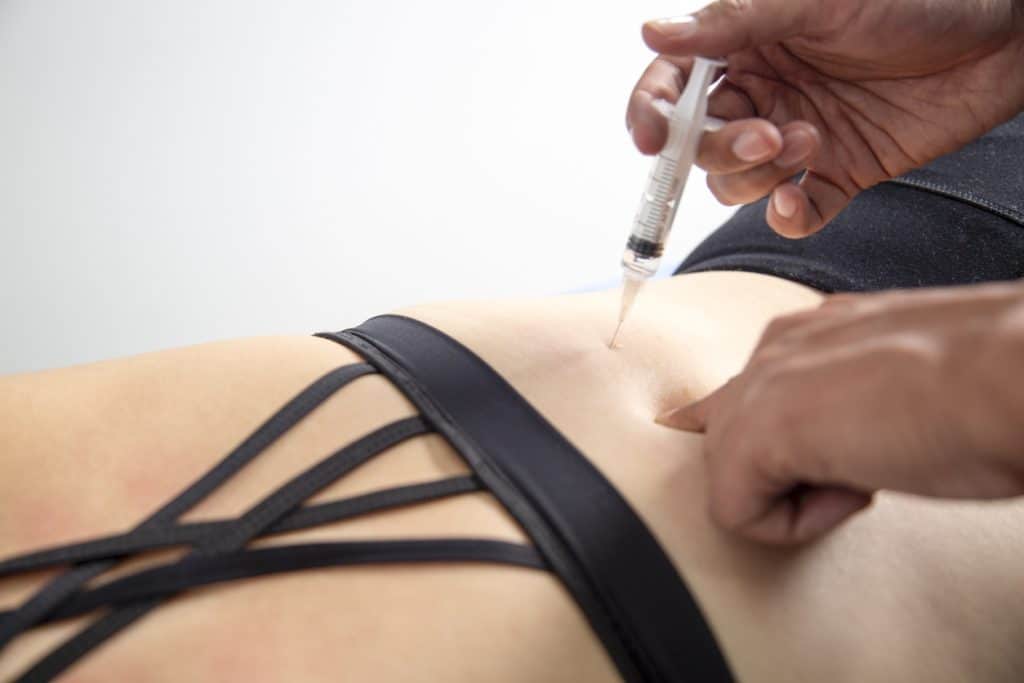
Nerve Pain Treatment in Southern California

Nerve pain is unlike any other kind of pain. It burns, shoots, tingles, and numbs  often in areas far removed from where the problem actually originates. At Integrative Sports & Spine, we provide advanced, non-surgical nerve pain treatment for a full range of peripheral and spinal nerve conditions, helping patients across Long Beach, Riverside, Alhambra, and City of Industry finally find accurate answers and lasting relief after years of pain that is too often dismissed or mismanaged.

Quick Overview

con representing estimated treatment duration for pain procedures

15-30 Mins

Treatment Time

Most nerve pain procedures are completed within a single outpatient visit with minimal disruption to your daily routine.

Recovery icon symbolizing average healing time after pain treatment

24-72 Hrs

Recovery Time

Most patients return to light daily activities within 24 to 72 hours following treatment.

Location pin icon showing availability of pain treatments at all four Southern California clinics: Riverside, Alhambra, Long Beach, and City of Industry

All Clinics

Location Available

Nerve Pain Treatment is available at our Southern California clinics - Long Beach, Alhambra, Riverside, and City of Industry.

Understanding Nerve Pain Treatment

Nerves are the body's communication network. They carry sensory signals from every tissue and organ to the brain, transmit motor commands that drive movement, and regulate the autonomic functions that keep the body running without conscious effort. When a nerve is compressed, inflamed, damaged, or trapped, that communication breaks down  producing a distinctive class of symptoms that can include burning, stabbing, electric-shock sensations, numbness, tingling, hypersensitivity to touch, and progressive weakness.

What makes nerve pain particularly challenging is its capacity to travel. A compressed nerve root in the lumbar spine generates pain that radiates down the leg. An entrapped nerve at the elbow produces numbness in the hand. An inflamed occipital nerve at the base of the skull causes debilitating headaches at the top of the head. The symptom and the source are often separated by considerable distance, making accurate diagnosis the most critical step in any nerve pain treatment plan.

At Integrative Sports & Spine, our physicians bring focused expertise in the diagnosis and interventional treatment of nerve pain conditions. We use detailed clinical examination, selective diagnostic nerve blocks, and imaging analysis to map the precise anatomy of each patient's nerve pain before any therapeutic procedure is performed. The result is a targeted, personalized treatment plan built around the actual source of your pain, not a generic protocol applied to a symptom pattern.

Benefits of Nerve Pain Treatment

Accurate Diagnosis of the Pain Source

 Nerve pain is one of the most commonly misdiagnosed categories of pain in medicine. Symptoms that travel, fluctuate, or do not correspond to a single obvious structural finding are frequently undertreated or mislabeled. Our diagnostic process  combining neurological examination, imaging review, and selective diagnostic nerve blocks  identifies the precise nerve or nerve pathway responsible for your symptoms before treatment begins.

Interrupts the Pain Sensitization Cycle 

Chronic nerve irritation does not simply persist at a steady level  it progressively lowers pain thresholds, sensitizes surrounding tissue, and can evolve into central sensitization that is significantly harder to treat. Early interventional treatment interrupts this cycle, preventing a manageable nerve pain condition from becoming an entrenched, system-wide pain problem.

Targeted Relief Without Systemic Medication 

Oral medications for nerve pain  including anticonvulsants, antidepressants, and opioids carry significant side effect burdens and address nerve pain indirectly and incompletely. Targeted nerve blocks and injections deliver therapeutic agents precisely to the affected nerve or surrounding tissue, providing more specific relief with fewer systemic consequences.

Supports Nerve Healing

 Some interventional treatments do more than block pain signals  they actively reduce the inflammatory environment that prevents nerve tissue from healing. By decreasing perineural inflammation and removing compressive pressure from nerve structures, our therapies create the conditions in which damaged nerves can recover their normal function over time.

Reduces Reliance on Long-Term Medication 

Many patients with chronic nerve pain have been managed on escalating doses of gabapentin, pregabalin, duloxetine, or opioid analgesics for months or years. Targeted interventional treatment addresses the underlying nerve pathology directly, often allowing patients to meaningfully reduce or discontinue medication they never intended to take indefinitely.

Restores Function and Sensation 

Nerve pain does not only hurt  it disrupts. Numbness limits fine motor control. Weakness affects balance and strength. Hypersensitivity makes ordinary contact unbearable. Our treatments address nerve function as well as nerve pain, helping patients recover sensation, strength, and the ability to engage with daily activities without fear or limitation.

Conditions We Treat with Knee Pain Injections

Sciatica and Lumbar Radiculopathy
 Compression or inflammation of the lumbar nerve roots  most commonly from disc herniation or spinal stenosis  generates the characteristic radiating pain, numbness, and weakness known as sciatica. Epidural steroid injections deliver anti-inflammatory medication directly to the compressed nerve root, reducing swelling, relieving radiating symptoms throughout the leg, and restoring normal nerve function.

Cervical Radiculopathy
 Nerve root compression in the cervical spine causes pain, numbness, and weakness that radiate from the neck into the shoulder, arm, and hand. Cervical epidural and selective nerve root injections target the affected root precisely, relieving the inflammatory pressure driving upper extremity symptoms without the need for surgical decompression.

Peripheral Neuropathy
 Damage or dysfunction of peripheral nerves  from metabolic conditions, inflammatory processes, toxic exposures, or unknown causes  produces burning pain, tingling, numbness, and progressive weakness, most commonly in the feet and hands. Targeted perineural injections and carefully coordinated treatment reduce nerve inflammation, interrupt aberrant pain signaling, and support whatever degree of nerve recovery is achievable.

Occipital Neuralgia
 Irritation or entrapment of the occipital nerves at the base of the skull generates a distinctive pattern of sharp, stabbing, or electric pain radiating from the neck over the scalp toward the eye. Occipital nerve blocks provide rapid, targeted relief and can be followed by radiofrequency ablation for patients who require more durable long-term management.

Piriformis Syndrome
 When the piriformis muscle in the deep buttock compresses the sciatic nerve as it passes nearby, it generates symptoms that closely mimic lumbar disc herniation  including radiating pain, numbness, and weakness down the leg. Precise diagnostic evaluation distinguishes piriformis syndrome from spinal nerve root compression, and targeted injection into the piriformis muscle resolves the entrapment and its symptoms in the majority of cases.

Meralgia Paresthetica 
Entrapment of the lateral femoral cutaneous nerve, a purely sensory nerve of the outer thigh, causes burning, tingling, and numbness over the outer thigh without motor involvement. Targeted perineural injection at the entrapment site relieves compression, reduces nerve inflammation, and resolves symptoms, typically without any need for surgical release.

Intercostal Neuralgia 
Irritation or damage to the intercostal nerves running between the ribs generates sharp, burning, or constricting pain around the chest wall that can be mistaken for cardiac or pulmonary conditions. Intercostal nerve blocks deliver targeted relief and confirm the diagnosis, distinguishing nerve-mediated chest and rib pain from other sources.

Post-Herpetic Neuralgia
 Following a shingles outbreak, a subset of patients develops persistent, often severe burning pain along the distribution of the affected nerve that can last for months or years. Targeted nerve blocks, perineural injections, and carefully coordinated multimodal treatment reduce the intensity of post-herpetic pain and improve quality of life in patients whose symptoms have not responded to standard pharmaceutical management.

Complex Regional Pain Syndrome (CRPS) 
CRPS is a severe and debilitating nerve pain condition characterized by disproportionate, burning pain  often following an injury or surgical procedure  accompanied by changes in skin color, temperature, sweating, and movement. Early interventional treatment, including sympathetic nerve blocks, is a cornerstone of management and produces significantly better outcomes when initiated before the condition becomes deeply entrenched.

Tarsal Tunnel Syndrome
 Compression of the tibial nerve as it passes through the tarsal tunnel on the inner side of the ankle causes burning, tingling, and numbness in the heel and sole of the foot. Targeted injections relieve compressive inflammation around the nerve, reducing symptoms and restoring comfortable weight-bearing and walking.

Carpal Tunnel Syndrome
Compression of the median nerve at the wrist produces the familiar pattern of numbness, tingling, and weakness in the thumb, index, and middle fingers particularly at night or during repetitive hand activities. Precisely placed corticosteroid injections reduce inflammation within the carpal tunnel, relieving median nerve compression and resolving symptoms in many patients without surgical release.

Genicular Nerve Pain 
In chronic knee conditions such as osteoarthritis, the nerves supplying the knee joint can become overactive and amplify pain signals beyond what the structural condition alone would explain. Genicular nerve blocks interrupt these pain pathways, providing targeted relief and, where appropriate, identifying candidates for genicular radiofrequency ablation and durable long-term management.

What to Expect During Your Appointment

Before Your Treatment

Preparation Guidelines
• Avoid applying heat or ice to the knee before your appointment.
• Bring all existing imaging relevant to your nerve pain, including MRI, CT scans, nerve conduction studies, and electromyography reports if available.
• Provide a complete list of current medications and supplements, particularly blood thinners, anticoagulants, and any neurological medications such as gabapentin or pregabalin.
• Notify our team of any known allergies to local anesthetics, corticosteroids, or contrast agents.
• Prepare a clear description of your symptoms  including their location, character, timing, aggravating and relieving factors, and how they have changed over time  as this information is essential to nerve pain diagnosis.
• Wear loose, comfortable clothing that allows easy access to the area being evaluated and treated.

Initial ConsultationNerve pain diagnosis demands a level of clinical detail that goes well beyond standard pain evaluations. Our physicians conduct a thorough neurological examination  assessing sensation, reflexes, and motor strength throughout the relevant nerve distributions  alongside a careful review of your symptom history, imaging findings, and any previous nerve conduction or electromyography studies. We take time to understand the full pattern of your pain, including where it travels, how it behaves, and how it has responded to previous treatments. Where the diagnosis requires further confirmation, we use selective diagnostic nerve blocks to map the precise anatomy of your nerve pain before committing to a therapeutic approach.

During the Procedure

Comfort and Preparation
• The skin overlying the treatment area is thoroughly cleaned before any injection is performed.
• A local anesthetic is applied to numb the area, ensuring you remain comfortable throughout the entire procedure.
• You will be awake and at ease the whole time  our team will walk you through each step as it happens.
• Most nerve procedures are completed within 15 to 45 minutes, and you are monitored briefly before being cleared to return home the same day.

Targeted Treatment
• All nerve procedures are performed under real-time ultrasound or fluoroscopic imaging guidance.
• Live imaging ensures that every block and injection is placed with the precision that effective nerve pain management demands.
• Your physician uses this guidance to navigate accurately to the exact nerve structure being treated, minimizing the risk of error.
• This image-guided approach ensures that the right medication reaches the right location every time, maximizing the effectiveness of your treatment.

After Your Treatment

Immediate Recovery
• Temporary numbness or weakness in the treated nerve distribution is expected following many nerve block procedures and typically resolves within a few hours as the local anesthetic wears off.
• Mild soreness at the injection site during the first 24 to 48 hours is normal and resolves quickly in most patients.
• Avoid driving or operating machinery for the remainder of the day following any procedure that involves significant nerve block anesthesia.
• Apply ice to the treatment site for 15 to 20 minutes every two to three hours to manage any localized swelling or post-procedure discomfort.
• Contact our office immediately if you experience severe worsening pain, prolonged or unexpected neurological symptoms, fever, or any redness or discharge at the injection site.

Patient applying ice pack after pain treatment as part of immediate recovery protocol

First 72 Hours
• Some mild soreness or a temporary increase in discomfort at the injection site during the first 24 to 48 hours is completely normal and will typically resolve on its own.
• You may experience brief numbness or altered sensation in the treated area due to the local anesthetic  this is expected and will wear off within a few hours.
• Avoid driving or operating heavy machinery for the remainder of the day following your nerve procedure..

Patient resting at home during the first 48 hours after a pain management procedure

Long-Term Recovery
• Resume light daily activities gradually over the first one to two weeks in accordance with your physician's specific guidance for your procedure and diagnosis.
• Follow your prescribed nerve rehabilitation program  including nerve mobilization exercises, postural correction, and ergonomic modifications  consistently and as directed.
• Attend all scheduled follow-up appointments so your physician can evaluate your neurological response, monitor recovery progress, and adjust your treatment plan as needed.
• Report any changes in your pain pattern  whether improvement, worsening, or a shift in location or character at your follow-up visits, as these observations guide important decisions about subsequent treatment steps.

Patient attending follow-up recovery session at a Southern California pain clinic for long-term pain relief

Why Choose Integrative Sports & Spine?

Specialized Expertise in Nerve Pain Diagnosis 
Nerve pain is one of the most diagnostically demanding areas of pain medicine. Our physicians bring focused expertise in identifying the precise nerve structures responsible for a patient's symptoms  using clinical examination, imaging, and diagnostic nerve blocks to map the anatomy of each patient's pain before treatment is applied.

Image-Guided Precision on Every Procedure
 Accurate needle placement around nerve structures is not optional; it is the difference between a procedure that works and one that does not. All of our nerve blocks and injections are performed under real-time ultrasound or fluoroscopic guidance, ensuring safety and precision on every procedure.

Diagnostic Blocks That Confirm Before Treating 
We do not assume the source of nerve pain based on imaging alone. Where diagnostic clarity is needed, we use selective nerve blocks to confirm which nerve pathway is responsible for a patient's symptoms before any therapeutic intervention is applied  ensuring that every treatment is directed at the actual pain generator.

A Full Range of Interventional Nerve Therapies
 From perineural injections and nerve blocks to radiofrequency ablation and sympathetic interventions, our treatment capabilities span the full spectrum of nerve pain conditions. We match the appropriate therapy to the confirmed diagnosis rather than defaulting to a single approach regardless of presentation.

Advanced pain management equipment used by specialists at our Southern California clinics in Riverside, Alhambra, Long Beach, and City of Industry

Frequently Asked Questions

How do I know if my pain is nerve-related? 

Nerve pain typically has distinctive characteristics that distinguish it from muscle or joint pain  burning, electric, shooting, or stabbing quality; numbness or tingling; hypersensitivity to light touch; and a tendency to radiate along a nerve's distribution rather than staying in one place. Weakness in specific muscle groups supplied by the affected nerve may also be present. If your pain has any of these features, a neurologically focused evaluation is warranted.

Can nerve pain be permanently resolved with treatment?

 This depends on the underlying cause and how long the nerve has been affected. Compressive nerve pain  such as sciatica from disc herniation or carpal tunnel syndrome  often resolves fully when the compression is relieved and the nerve is given adequate time to recover. Longer-standing nerve damage or conditions involving significant nerve degeneration may achieve meaningful improvement rather than complete resolution. Your physician will provide an honest assessment of realistic outcomes for your specific condition during your consultation.

What is the difference between a nerve block and radiofrequency ablation?

 A nerve block uses local anesthetic and sometimes corticosteroid to temporarily interrupt nerve pain signaling  providing relief that lasts from days to several months depending on the medication and nerve involved. Radiofrequency ablation goes further, using controlled thermal energy to deactivate specific nerve fibers and produce relief that typically lasts from several months to well over a year. A successful diagnostic nerve block is generally required to confirm candidacy before radiofrequency ablation is performed.

Are nerve blocks painful to receive?

 The injection site is numbed with local anesthetic before any nerve block procedure, and most patients experience minimal discomfort during the procedure itself. A brief sensation of pressure or an electric feeling as the needle approaches the nerve is normal and expected. Post-procedure soreness at the injection site is typically mild and resolves within one to two days.

How many nerve block injections will I need?

 This depends significantly on the type of nerve pain condition, the nerve involved, and your response to initial treatment. Some patients achieve prolonged relief from a single therapeutic block. Others benefit from a series of injections spaced over several weeks. Where diagnostic blocks confirm a pattern amenable to radiofrequency ablation, that procedure offers more durable longer-term management with less need for repeated injections.

Can nerve pain treatment be combined with physical therapy? 

Absolutely and it should be. Nerve blocks and injections reduce pain and inflammation, but they do not correct the postural, ergonomic, or movement factors that often contribute to nerve compression and sensitization. Physical therapy addresses these underlying contributors, consolidating the relief achieved through interventional treatment and significantly reducing the risk of recurrence.

Logos of major insurance providers accepted at our pain management clinics

Insurance Coverage

At Integrative Sports & Spine, we partner with most major insurance providers to ensure that nerve pain care is accessible without unnecessary financial barriers. Our insurance specialists verify your coverage before your first appointment and provide a complete, transparent breakdown of your benefits and any anticipated out-of-pocket costs in advance.
We Accept
• Medicare
• PPO Plans
• Self-Pay Options Available
Financial Policy
• Insurance verification completed prior to appointment
• Co-payments and deductibles due at time of service
• Self-pay options available with transparent pricing
• Flexible payment plans for eligible treatments

Our Patients Love Us

Sandra L., 56

 Treated for occipital neuralgia and cervicogenic headaches "

I had debilitating headaches for three years that no one could explain. Every scan came back normal and I was told it was stress. The team here identified occipital neuralgia immediately, performed nerve blocks, and for the first time in years I am living without constant head pain. I finally have my life back."

Marcus T., 49

 Treated for lumbar radiculopathy and sciatica 

"The shooting pain down my right leg was so severe I could not sleep through the night or sit at my desk for more than ten minutes. After two epidural injections and a rehabilitation program here, the sciatica is gone and I am back to running  something I thought I would never do again."

Patricia N., 67

Treated for post-herpetic neuralgia

 "After shingles, I was left with burning pain across my ribs that my doctors said might never fully go away. The nerve block treatments here reduced the pain dramatically. It has not disappeared completely but it is manageable now in a way it simply was not before."

Ready to Finally Find Relief From Nerve Pain?

Nerve pain that burns, radiates, and steals your ability to sleep, work, and move freely is not something you should have to simply endure. At Integrative Sports & Spine, our nerve pain specialists combine precise diagnosis, targeted interventional therapies, and comprehensive rehabilitation to address your pain at its neurological source  and help you recover the function, comfort, and confidence that chronic nerve pain takes away.

Call (833) 476-7377 or click the appointment button below to schedule consultation at any of our four Southern California pain clinic locations.

Book an Appointment

Related Services

Spinal Pain Treatment 

Comprehensive non-surgical care for cervical, thoracic, and lumbar spine conditions  including the disc herniations, spinal stenosis, and nerve root compression that are among the most common drivers of radiating nerve pain in the arms and legs.

View More
Non-Surgical Pain Treatment

 A full overview of our interventional and regenerative treatment options for acute and chronic pain conditions  providing context for where nerve pain care fits within our broader non-surgical approach to pain management.

View More
Injury Pain Treatment

 Specialized care for nerve pain arising from acute trauma, sports injuries, motor vehicle accidents, and workplace incidents  combining precise nerve injury assessment, targeted interventional treatment, and structured rehabilitation to support complete neurological recovery.

View More
Contact Us

(833) 476-7377

Open Hours

Mon - Fri: 9:00am to 5:00pm