Spinal Pain Treatment in Southern California

The spine is the structural foundation of the entire body  and when it hurts, everything suffers. At Integrative Sports & Spine, we provide advanced, non-surgical spinal pain treatment for a full range of cervical, thoracic, and lumbar conditions, helping patients across Long Beach, Riverside, Alhambra, and City of Industry find lasting relief, restore mobility, and return to daily life without dependence on surgery or long-term medication.

Quick Overview

con representing estimated treatment duration for pain procedures

15-30 Mins

Treatment Time

Treatment Time Most spinal pain procedures are completed within a single outpatient visit with minimal disruption to your schedule

Recovery icon symbolizing average healing time after pain treatment

24-72 Hrs

Recovery Time

Most patients return to light daily activities within 24 to 72 hours following treatment.

Location pin icon showing availability of pain treatments at all four Southern California clinics: Riverside, Alhambra, Long Beach, and City of Industry

All Clinics

Location Available

Knee Pain Treatment is available at our Southern California clinics - Long Beach, Alhambra, Riverside, and City of Industry.

Understanding Our
Knee Pain Treatment

The spine is one of the most complex structures in the human body. It houses and protects the spinal cord, provides the framework for upright posture and movement, and serves as an attachment point for the muscles and ligaments that drive virtually every physical action. Its complexity is also what makes it vulnerable; with over thirty vertebrae, twenty-three intervertebral discs, dozens of paired facet joints, and an intricate network of nerve roots, there are many structures that can become a source of pain.

Spinal pain rarely has a single, simple cause. A disc herniation may compress a nerve root and generate radiating pain into the arm or leg. Facet joint degeneration can produce deep, aching local pain that worsens with extension and rotation. Spinal stenosis narrows the canal through which nerve roots travel, causing cramping, weakness, and pain with walking. Muscle and ligament dysfunction layer additional complexity on top of structural changes. Getting to the true origin of spinal pain rather than treating the most obvious finding on an imaging study  is what separates effective care from care that merely delays the problem.

At Integrative Sports & Spine, our physicians are trained to think beyond the scan. We combine detailed clinical examination, careful analysis of imaging, and where appropriate, diagnostic injections that confirm the precise pain generator before any therapeutic treatment is delivered. The result is a personalized, targeted care plan that addresses the actual source of your spinal pain, not just its most visible representation.

Benefits of Spinal Pain Treatment

Identifies the True Source of Pain

 Imaging findings do not always correspond to pain generators. Many patients have disc bulges or degenerative changes visible on MRI that are not the actual source of their symptoms. Our diagnostic process  including clinical examination and selective diagnostic injections confirms the precise structure responsible for your pain before any treatment is applied.

Non-Surgical Relief for Most Spinal Conditions

 The majority of spinal pain conditions, including disc herniations, facet joint degeneration, spinal stenosis, and nerve root compression, respond well to targeted non-surgical therapies. We exhaust every appropriate conservative and interventional option before surgical consultation is ever considered.

Relieves Both Local and Radiating Pain 

Spinal conditions frequently generate pain that travels far from its origin  down the arm, across the shoulder blade, into the buttock and leg, or around the ribcage. Our treatments target the spinal source directly, resolving both the local discomfort and the radiating symptoms that often cause the greatest functional disruption.

Reduces Inflammation at the Nerve Root

 Disc herniations and spinal stenosis generate pain primarily through inflammatory pressure on nerve tissue. Epidural steroid injections deliver powerful anti-inflammatory medication directly to the affected nerve root, reducing swelling, relieving compression, and restoring nerve function more effectively than oral medications alone.

Protects Long-Term Spinal Health

 Untreated spinal pain and the compensatory movement patterns it produces accelerate degeneration, weaken stabilizing musculature, and increase the risk of additional injury. Early, targeted intervention preserves spinal function, protects disc and joint integrity, and reduces the likelihood of progressive deterioration.

Supports Meaningful Rehabilitation

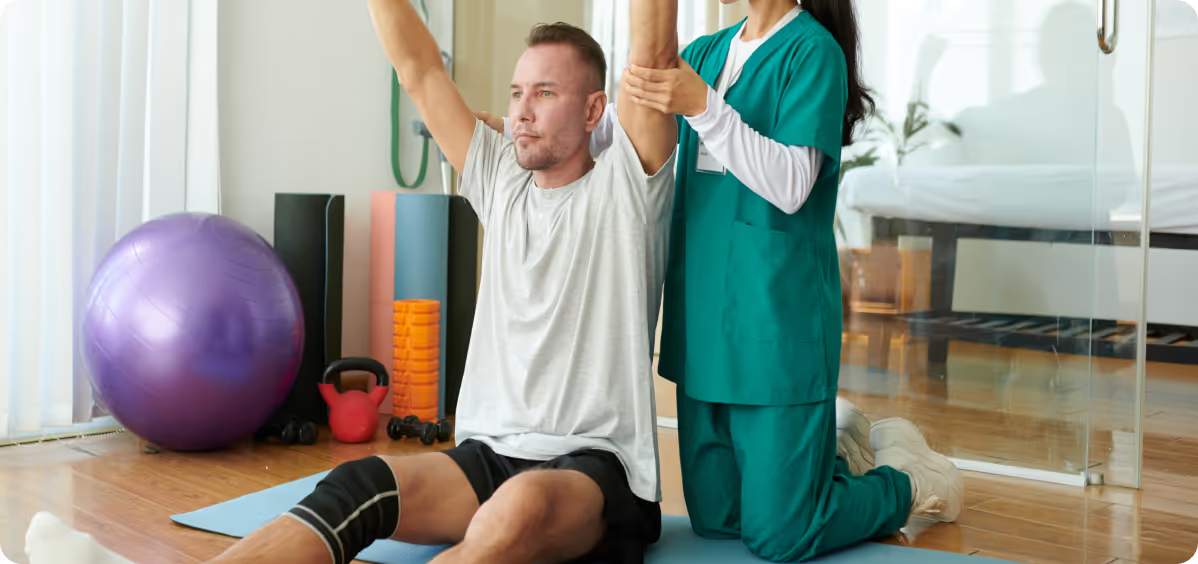
 Pain relief creates a window for rehabilitation that pain alone closes. By reducing the inflammatory and neurological drivers of spinal pain, our interventional treatments allow patients to engage fully with physical therapy  rebuilding the core strength, postural control, and movement mechanics that protect the spine over the long term.

Conditions We Treat with Spinal Pain Treatment

Lumbar Disc Herniation
When the soft inner material of a lumbar disc pushes through its outer wall and contacts a nearby nerve root, it generates a characteristic combination of lower back pain and radiating leg pain known as sciatica. Epidural steroid injections deliver targeted anti-inflammatory medication directly to the compressed nerve root, reducing swelling, relieving radiating symptoms, and allowing the disc to undergo its natural healing process.

Cervical Disc Herniation
 Disc herniations in the neck compress cervical nerve roots, causing pain, numbness, and weakness that radiate into the shoulder, arm, and hand. Cervical epidural and selective nerve root injections relieve the inflammatory pressure on the affected nerve, resolving symptoms and restoring upper extremity function without surgical decompression.

Spinal Stenosis
Narrowing of the spinal canal or the lateral foramina through which nerve roots exit compresses neural structures, producing pain, heaviness, cramping, and weakness  particularly with walking or prolonged standing. Epidural steroid injections reduce the inflammatory component of nerve compression, improving function and extending the distance patients can walk and stand comfortably.

Facet Joint Syndrome
The facet joints that link adjacent vertebrae are a primary source of axial spinal pain, particularly in patients with degenerative disc disease or prior spinal injury. Facet joint injections confirm the diagnosis and provide therapeutic relief, while radiofrequency ablation offers durable, longer-lasting pain control by precisely deactivating the nerves supplying the affected joints.

Sacroiliac Joint Dysfunction 
The sacroiliac joints where the pelvis connects to the base of the spine are a frequently overlooked source of lower back, buttock, and upper leg pain. Diagnostic and therapeutic SI joint injections confirm involvement and deliver targeted relief, and radiofrequency ablation is available for patients requiring more sustained pain control.

Spondylolisthesis
 When one vertebra slips forward relative to the one below it, it can compress nerve roots and destabilize the surrounding spinal segment, generating both local pain and radiating symptoms. Targeted injections reduce inflammation, relieve nerve pressure, and allow rehabilitation to stabilize the affected segment without surgical fusion in many cases.

Degenerative Disc Disease 
As intervertebral discs lose hydration and height over time, they generate chronic axial pain, reduce the spacing through which nerve roots travel, and accelerate facet joint degeneration. A combination of targeted injections, regenerative therapies, and spinal stabilization rehabilitation can significantly reduce pain and slow further deterioration.

Vertebral Compression Fractures
Osteoporosis-related or traumatic compression fractures in the vertebral body cause acute, severe spinal pain that limits mobility and independence. Minimally invasive procedures and targeted pain management strategies address the acute pain while appropriate medical management of the underlying bone density condition is coordinated.

Piriformis Syndrome and Sciatic Nerve Entrapment
 The sciatic nerve can be compressed not only at the lumbar spine but also as it passes through the piriformis muscle in the buttock, generating symptoms that closely mimic lumbar disc herniation. Precise diagnostic evaluation distinguishes the two conditions, and targeted injections into the piriformis muscle relieve compression and resolve symptoms in the majority of cases.

What to Expect During Your Appointment

Before Your Treatment

Preparation Guidelines
• Bring all existing spinal imaging, including X-rays, MRI, and CT scans, along with any prior operative reports if you have had previous spinal surgery.
• Provide a complete list of all current medications and supplements, particularly blood thinners or anticoagulants, which may need to be temporarily adjusted before certain procedures.
• Notify our team of any known allergies to local anesthetics, corticosteroids, or contrast dye.
• Wear comfortable, loose-fitting clothing that allows easy access to the back or neck area.
• If your spinal condition relates to a workplace injury or motor vehicle accident, inform our scheduling team in advance so appropriate documentation and billing arrangements can be coordinated.

Initial ConsultationSpinal evaluation at Integrative Sports & Spine goes beyond reviewing your imaging. Our physicians conduct a detailed neurological examination  testing strength, sensation, and reflexes throughout the upper and lower extremities  alongside a thorough assessment of spinal range of motion, provocative pain patterns, and functional limitations. We review your imaging critically, correlating the structural findings with your clinical presentation to determine which findings are genuinely pain-generating and which are incidental. Where diagnostic clarity requires it, we use selective diagnostic injections to confirm the pain source with precision before committing to a therapeutic approach.

During the Procedure

Comfort and Preparation
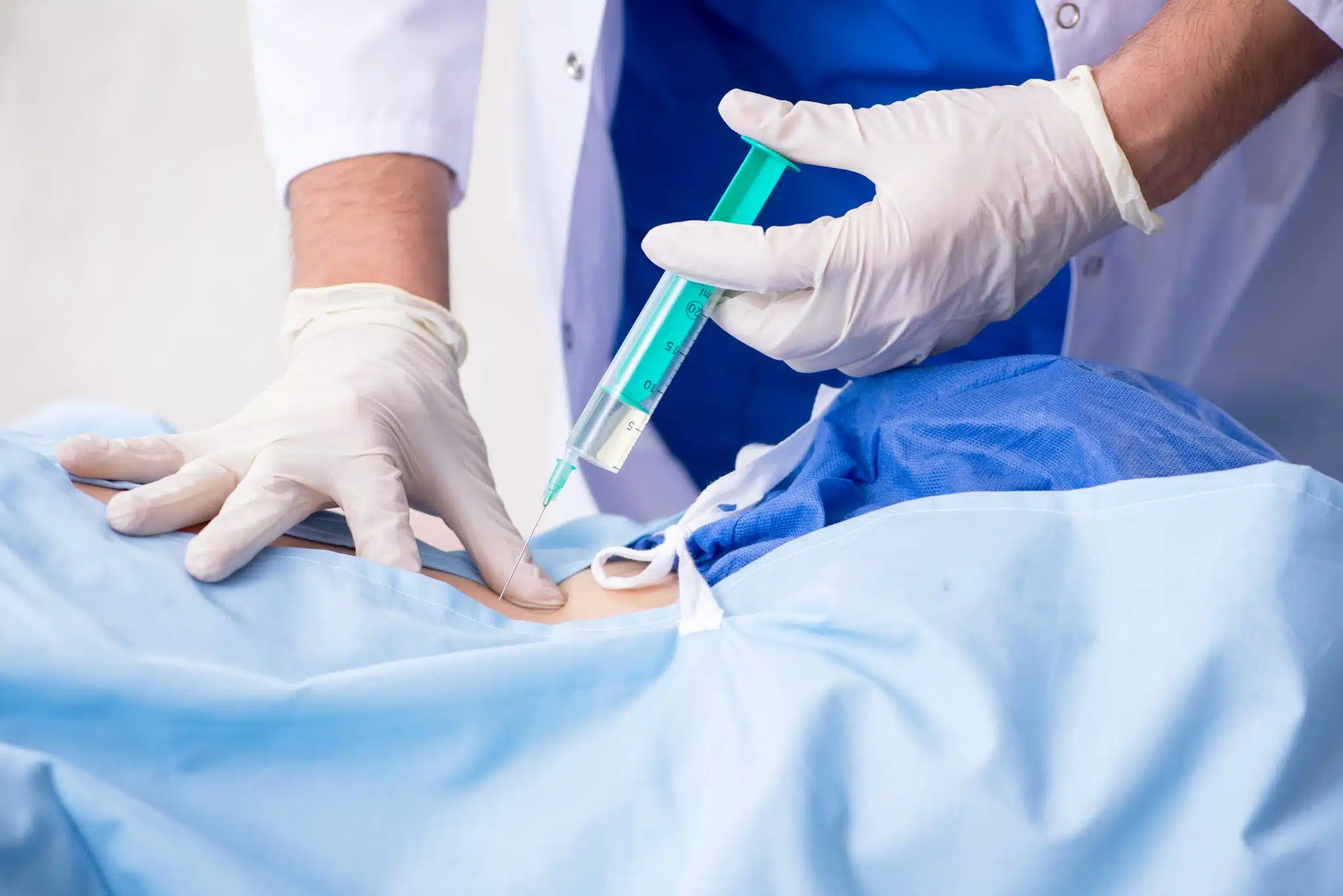
• The skin overlying the treatment area is thoroughly cleaned before any injection is performed.
•A local anesthetic is applied to numb the area, ensuring you remain comfortable throughout the procedure.
You will be awake and at ease the entire time  our team will guide you through each step.
•Most procedures are completed within 15 to 45 minutes, and you are monitored briefly before being cleared to return home the same day.

Targeted Treatment
• All spinal procedures are performed under real-time fluoroscopic or ultrasound imaging guidance.
• This live imaging ensures that every medication is delivered to precisely the right anatomical location.
• Imaging-guided precision reduces the risk of error and improves the effectiveness of each injection.
• The combination of careful preparation and guided delivery means your treatment is both safe and specifically tailored to your condition.

After Your Treatment

Immediate Recovery
• Mild soreness at the injection site and a temporary increase in local discomfort during the first 24 to 48 hours is normal and expected.
• Apply ice to the treated area for 15 to 20 minutes every two to three hours to manage any localized swelling or post-procedure discomfort.
• Avoid strenuous physical activity, prolonged sitting or standing, and heavy lifting for the first 72 hours following the procedure.
• Contact our office immediately if you experience severe worsening pain, fever, new neurological symptoms such as increased weakness or numbness, or any redness or discharge at the injection site.

Patient applying ice pack after pain treatment as part of immediate recovery protocol

First 72 Hours
• Avoid strenuous activity, heavy lifting, bending, and twisting motions for the first 72 hours following your procedure.
• Gentle, short walks are encouraged and may help reduce stiffness, but stop immediately if you experience increased pain.
• Avoid submerging the injection site in water  no swimming, baths, or hot tubs  until your physician clears you to do so.
• Sleep in a comfortable position that does not place additional strain on your spine; a pillow under your knees when lying on your back may help.

Patient resting at home during the first 48 hours after a pain management procedure

Long-Term Recovery
• Resume light daily activities gradually over the first one to two weeks, guided by your physician's specific recommendations for your procedure and diagnosis.
• Commit consistently to your prescribed spinal rehabilitation program  the structural improvements achieved through interventional treatment are only fully realized when supported by restored muscular strength, movement control, and postural habits.
• Attend all scheduled follow-up appointments so your physician can evaluate your response, monitor neurological recovery, and adjust your treatment plan appropriately.
• Implement any recommended ergonomic, activity, or lifestyle modifications  including workstation adjustments, sleeping position guidance, and weight management strategies  that reduce mechanical spinal load and support long-term spinal health.

Patient attending follow-up recovery session at a Southern California pain clinic for long-term pain relief

Why Choose Integrative Sports & Spine?

Diagnostic Precision Before Every Treatment
We do not treat imaging findings, we treat the patient in front of us. Our diagnostic process correlates clinical examination with imaging and, where needed, uses selective diagnostic injections to confirm the pain generator before any therapeutic procedure is performed. This commitment to diagnostic accuracy is what makes our outcomes consistently better than approaches that apply the same treatment to every back pain presentation.

Image-Guided Spinal Procedures
 All of our spinal injections and nerve procedures are performed under real-time fluoroscopy or ultrasound guidance. Accurate placement in the epidural space, facet joint, or nerve root foramen is not achievable without imaging  and we never perform spinal procedures without it.

Full Spectrum of Interventional Spinal Therapies
 From epidural steroid injections and facet blocks to radiofrequency ablation and PRP therapy, our range of spinal treatment options allows us to match the right intervention to the right diagnosis at the right stage of a patient's condition. We do not have a one-size-fits-all approach to spinal pain.

Integrated Rehabilitation That Consolidates Results 
Injections relieve pain. Rehabilitation rebuilds the spinal system. Both are necessary for durable recovery, and we design rehabilitation programs that specifically address the muscular, postural, and movement deficits associated with each patient's spinal condition.

Holistic Spinal Assessment 
Spinal pain does not exist in isolation. Our physicians evaluate how hip mobility, sacropelvic alignment, thoracic stiffness, and lower extremity mechanics contribute to lumbar and cervical loading  addressing the full biomechanical picture rather than treating the spine as if it were independent of the rest of the body.

Advanced pain management equipment used by specialists at our Southern California clinics in Riverside, Alhambra, Long Beach, and City of Industry

Frequently Asked Questions

How do I know if my back pain needs professional evaluation?

Back pain that persists beyond two to three weeks, is associated with radiating pain, numbness, or weakness into the arms or legs, follows a traumatic injury, or significantly limits your daily function warrants a professional evaluation. Pain that wakes you from sleep, is accompanied by bladder or bowel changes, or follows a fall should be evaluated promptly.

Are spinal injections safe?

 When performed by experienced physicians under image guidance, spinal injections carry a very low risk of serious complications. The most common side effects are temporary soreness at the injection site and, with corticosteroid injections, a brief period of mild systemic effects such as slight flushing or transient blood sugar elevation in diabetic patients. Your physician will review the specific risks relevant to your procedure during your consultation.

How long does relief from an epidural steroid injection last? 

Duration of relief varies considerably between patients and conditions. Some patients experience relief lasting several months or longer from a single injection. Others benefit from a series of two to three injections. The goal is always to achieve sufficient relief to allow meaningful rehabilitation, which provides more durable long-term benefit.

What is the difference between a facet block and radiofrequency ablation?

 A facet joint injection or medial branch block uses local anesthetic and sometimes corticosteroid to reduce pain from the facet joint  providing relief that typically lasts weeks to months. Radiofrequency ablation goes further, using controlled heat to deactivate the specific nerve fibers transmitting pain from the joint, providing relief that commonly lasts from several months to well over a year. A successful diagnostic block is typically required before radiofrequency ablation is performed.

Can spinal injections treat both back pain and leg pain at the same time?

 Yes. Epidural steroid injections target the inflammatory environment surrounding compressed nerve roots  addressing both the local back discomfort and the radiating leg or arm symptoms generated by nerve involvement simultaneously. Many patients notice improvement in radiating symptoms before local back pain fully resolves.

Will I need surgery if spinal injections do not resolve my pain? 

Not necessarily. If one interventional approach does not achieve the desired outcome, there are often additional non-surgical options to explore  including different injection types, nerve-based procedures, regenerative therapies, or a more intensive rehabilitation approach. Surgical referral is only recommended when the full range of appropriate non-surgical options has been carefully explored and the patient's specific structural pathology is determined to be surgically correctable.

Logos of major insurance providers accepted at our pain management clinics

Insurance Coverage

At Integrative Sports & Spine, we work with most major insurance providers to ensure that spinal pain care is accessible without unnecessary financial burden. Our insurance specialists verify your coverage before your first appointment and provide a complete breakdown of your benefits and any anticipated costs in advance.
We Accept
• Medicare
• PPO Plans
• Self-Pay Options Available
Financial Policy
• Insurance verification completed prior to appointment
• Co-payments and deductibles due at time of service
• Self-pay options available with transparent pricing
• Flexible payment plans for eligible treatments

Our Patients Love Us

Robert H., 59

 Treated for lumbar disc herniation with sciatica "

I had shooting pain down my left leg for almost eight months. I could barely sit through a meal or make it through a workday. The epidural injection here gave me significant relief within days, and after completing the rehabilitation program, the sciatica has not returned."

Maria C., 64 

Treated for lumbar facet joint syndrome and spinal stenosis

 "My lower back pain had been written off as 'just arthritis' for years. The team here actually identified exactly which joints were causing my pain, treated them directly, and with the radiofrequency procedure I have had over a year of real relief. I wish I had found this practice sooner."

Kevin S., 48 

Treated for cervical disc herniation with arm pain 

"I had constant neck pain and numbness in my right hand that was affecting my ability to work. Two cervical injections and a structured rehabilitation program later, I have full sensation back in my hand and can work without pain for the first time in years."

Ready to Reclaim Your Mobility?

Book an Appointment

Spinal pain that limits your movement, disrupts your sleep, and prevents you from living fully does not have to be permanent. At Integrative Sports & Spine, our spinal pain specialists combine precise diagnosis, advanced interventional therapies, and comprehensive rehabilitation to address your pain at its source  and help you build the strength and resilience to stay well.

Call (833) 476-7377 or click the appointment button below to schedule consultation at any of our four Southern California pain clinic locations.

Related Services

Non-Surgical Pain Treatment 

A comprehensive overview of our full range of interventional and regenerative treatment options for musculoskeletal and nerve-related pain  providing context for where spinal care fits within our broader approach to non-surgical pain management.

View More
Injury Pain Treatment 

Specialized care for spinal pain arising from acute trauma, motor vehicle accidents, workplace injuries, and sports-related incidents combining accurate injury assessment, targeted interventional treatment, and structured rehabilitation to support complete recovery.

View More
Platelet-Rich Plasma Therapy

 A regenerative treatment option for appropriate candidates with degenerative disc disease, facet joint damage, or spinal ligament instability  delivering concentrated healing signals directly to damaged spinal structures to stimulate tissue repair and reduce chronic inflammation.

View More
Contact Us

(833) 476-7377

Open Hours

Mon - Fri: 9:00am to 5:00pm