At Integrative Sports & Spine, we treat injury-related pain from sports, accidents, and overuse conditions. Our focus is precise diagnosis and targeted, image-guided treatment to speed recovery and restore function. Patients are seen at our Long Beach, Riverside, Alhambra, and City of Industry clinics.
.avif)
Most injury pain procedures are completed within a single outpatient visit, with minimal disruption to your day.
.avif)
Most patients return to light daily activities within 24 to 72 hours following treatment.
.avif)
Location Available
Available at all of our ISS Clinics - Long Beach, Alhambra, Riverside, and City of Industry.
Injuries affect the body in layers. A single traumatic event, a fall, a collision, a sudden twist can simultaneously damage muscles, ligaments, tendons, cartilage, nerves, and the joints that hozld everything together. Even when the initial injury appears minor, improper healing, persistent inflammation, or compensatory movement patterns can evolve into chronic pain that outlasts the original event by months or years.
Overuse injuries tell a different story. Repetitive stress accumulates gradually, quietly degrading tissue until the threshold for pain is crossed often without a single identifiable moment of injury. Both acute and chronic injury patterns demand precise diagnosis before treatment can be truly effective.
At Integrative Sports & Spine, we approach every injury case with the same systematic rigor. Our physicians conduct comprehensive evaluations reviewing your history, performing targeted physical examinations, and analyzing imaging to understand not just what was injured, but how the injury has affected surrounding structures and overall function. From that foundation, we build a personalized, non-surgical treatment plan designed to resolve pain, restore tissue integrity, and prevent recurrence.

The majority of musculoskeletal injuries including ligament sprains, tendon tears, joint damage, and nerve irritation can be effectively treated without surgery. Our non-surgical approach minimizes risk, shortens recovery timelines, and keeps future options open.
Injuries that are not properly treated have a well-documented tendency to become chronic conditions. Early, targeted intervention interrupts this cycle, resolving inflammation, restoring tissue quality, and addressing the compensatory movement patterns that place ongoing stress on injured structures.
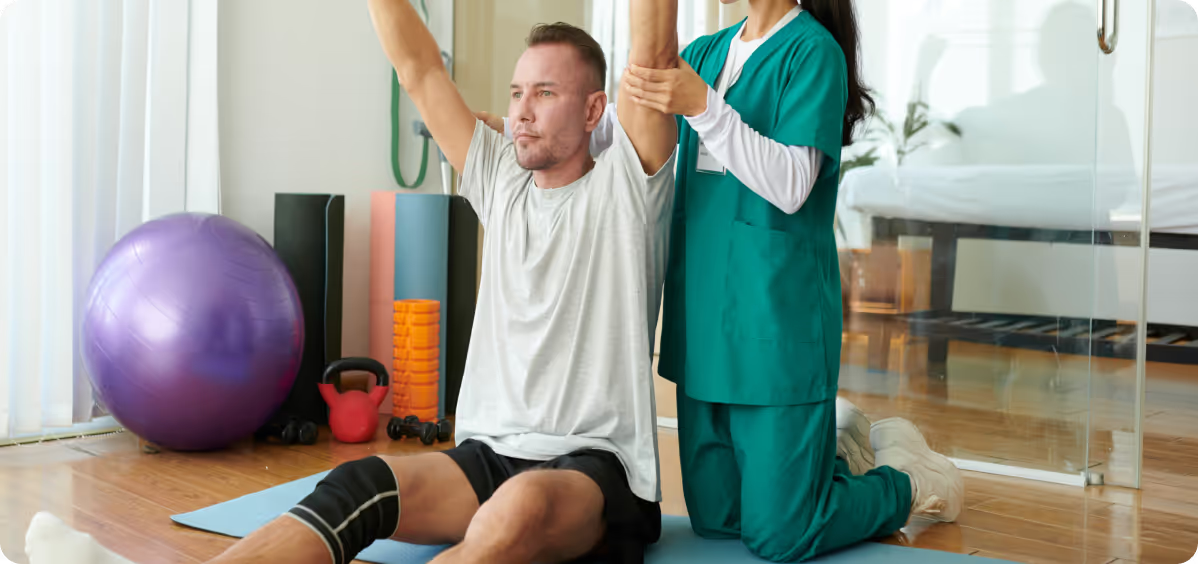
Pain relief is only part of recovery. Our integrated approach pairs every interventional treatment with targeted rehabilitation rebuilding the muscular strength, joint stability, and neuromuscular control needed to protect the injured area and return to full activity safely.
Prolonged use of opioids, NSAIDs, and muscle relaxants following injury carries significant health risks and does not address the underlying tissue damage. Precise interventional therapies reduce pain more effectively and more safely than medication alone, helping patients taper off pharmaceutical management sooner.
Muscle Strains and Tears
Overstretching or tearing of muscle fibers caused by sudden exertion, direct impact, or repetitive overload, leading to localized pain, swelling, and reduced strength or function in the affected area.
Ligament Sprains and Tears
Partial or complete tearing of ligaments resulting from twisting injuries, falls, or joint overextension, often producing pain, instability, swelling, and difficulty supporting normal joint movement.
Tendon Injuries and Tendinopathy
Acute tendon tears or chronic degenerative changes caused by repetitive stress or overuse, commonly affecting the rotator cuff, Achilles tendon, patellar tendon, or elbow tendons, and leading to pain and reduced load tolerance.
Joint Injuries and Traumatic Arthritis
Damage to joint structures from trauma affecting the knee, shoulder, hip, or ankle, which may result in ongoing inflammation, stiffness, reduced range of motion, and the development of post-traumatic arthritis over time.
Disc Injuries and Spinal Pain
Herniated, bulging, or compressed spinal discs caused by lifting injuries, falls, or motor vehicle accidents, often leading to localized back pain and radiating symptoms into the arms or legs depending on nerve involvement.
Nerve Injuries and Neuropathic Pain
Compression, stretching, or irritation of peripheral nerves due to trauma or structural injury, resulting in burning pain, numbness, tingling sensations, or weakness in the affected distribution.
Whiplash and Cervical Spine Injuries
Soft tissue and joint injuries of the neck caused by rapid acceleration-deceleration forces, commonly involving muscles, ligaments, facet joints, and sometimes nerve structures, leading to pain, stiffness, and reduced mobility.
Sports and Athletic Injuries
Acute or overuse injuries related to athletic activity, including sprains, strains, tendon injuries, stress reactions, and soft tissue damage, affecting performance and physical function in active individuals.
Workplace and Repetitive Stress InjuriesInjuries resulting from occupational activities, either from a single workplace incident or long-term repetitive motion, affecting structures such as the spine, shoulders, elbows, wrists, or knees, and leading to pain, inflammation, and functional impairment in the involved areas.
Preparation Guidelines• Bring documentation of your injury, including any accident reports, imaging studies, or records from previous treatment.
• Provide a complete list of all current medications and supplements, including blood thinners
• Notify our team of any known allergies to local anesthetics, corticosteroids, or contrast agents.
• Wear loose, comfortable clothing that allows easy access to the injured area.
• If your injury is related to a motor vehicle accident or workers' compensation claim, inform our front desk team when scheduling so appropriate billing arrangements can be made in advance.
Initial ConsultationYour evaluation begins with a detailed review of the circumstances and timeline of your injury, followed by a thorough physical examination targeting the affected structures and any areas of referred or secondary pain. We analyze all available imaging and, where additional studies are needed, coordinate timely referrals. Our goal is a complete picture of your injury, not just the obvious damage, but the compensatory patterns, secondary tissue involvement, and functional deficits that often determine how fully a patient recovers.
Comfort and Preparation• The treatment area is thoroughly cleaned before any injection begins
• A local anesthetic is applied to numb the area and minimize discomfort
• You remain awake and comfortable throughout the procedure
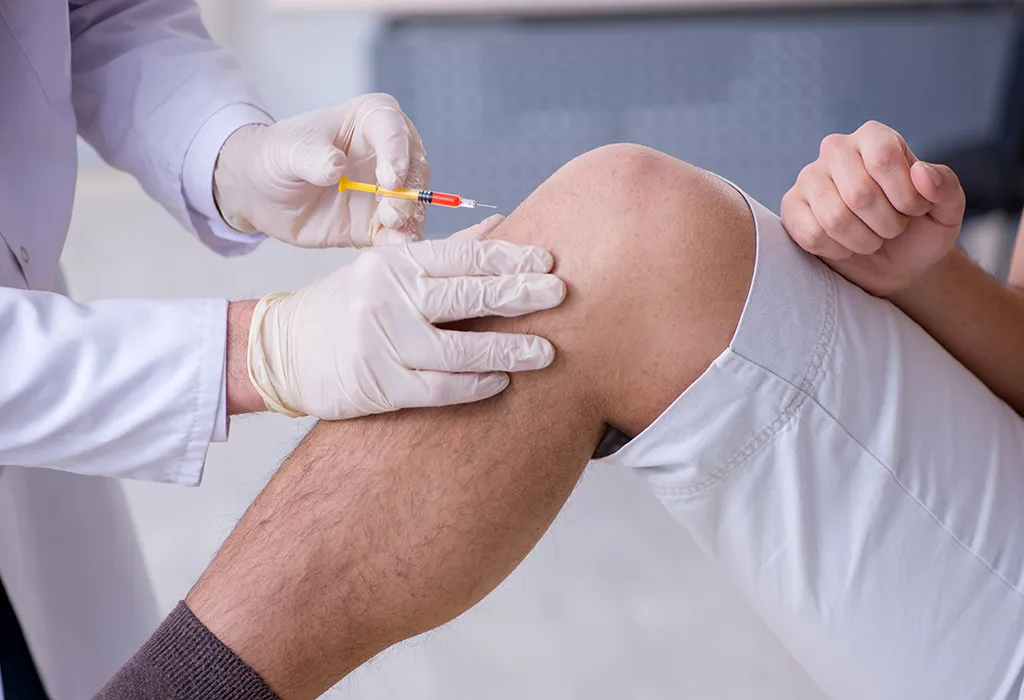
Targeted Treatment• All procedures are performed under real-time ultrasound or fluoroscopic guidanceImaging ensures the injection reaches the exact intended target
• You are monitored briefly after the procedure and may return home the same day
Immediate Recovery• Mild soreness or a temporary increase in discomfort at the treatment site during the first 24 to 48 hours is normal and typically resolves quickly.
• Apply ice to the treated area for 15 to 20 minutes every two to three hours to manage localized swelling or discomfort.
• Avoid strenuous activity, heavy lifting, and high-impact movement for the first 72 hours following the procedure.
• Contact our office immediately if you experience severe pain, fever, significant new swelling, or redness that may suggest infection.
.avif)
First 72 Hours
• Mild soreness or a temporary increase in discomfort at the treatment site during the first 24 to 48 hours is normal and typically resolves on its own.
• Apply ice to the treated area for 15 to 20 minutes every two to three hours to manage localized swelling and discomfort.
• Avoid strenuous activity, heavy lifting, and high-impact movement for the full 72 hours following your procedure.

Long-Term Recovery
• Resume light daily activities gradually over the first one to two weeks in accordance with your physician's guidance.
• Begin and consistently follow your prescribed rehabilitation program addressing muscular strength, joint stability, and movement mechanics is essential to durable recovery.
• Attend all scheduled follow-up appointments so your physician can track healing progress, evaluate tissue response, and refine your treatment plan as needed.
• Implement any recommended activity modifications, ergonomic adjustments, or lifestyle changes that reduce reinjury risk and support the long-term integrity of the treated structures.

Image-Guided Precision on Every Procedure
Accurate needle placement is fundamental to effective injury treatment. All of our injections are performed under real-time ultrasound or fluoroscopic imaging, delivering therapeutic agents exactly where they are needed and improving both the safety and the outcomes of every procedure.
Regenerative and Interventional Expertise
We offer the full spectrum of non-surgical injury treatments from corticosteroid injections for acute inflammation to PRP therapy for tissue regeneration and radiofrequency ablation for chronic nerve-mediated pain. Our physicians are experienced in matching the right treatment to the right diagnosis at the right stage of recovery.
Integrated Rehabilitation for Complete Recovery
Procedures alone do not rebuild injured tissue into resilient, functional tissue. Our rehabilitation programs are designed specifically around your injury type and recovery goals, pairing procedural treatment with the targeted exercise and movement retraining that make recovery last.


If your pain has not improved meaningfully within two to three weeks of the initial injury, if you are experiencing significant swelling, instability, numbness, or weakness, or if pain is limiting your ability to work or perform daily activities, a professional evaluation is warranted. Early, accurate treatment consistently produces better outcomes than extended periods of rest and self-management.

Many injuries that are initially assumed to require surgery including partial ligament tears, rotator cuff damage, disc herniations, and significant tendon injuries respond very well to non-surgical intervention when the correct diagnosis is made and the appropriate therapies are applied with precision. Our physicians will give you an honest assessment of what non-surgical treatment can realistically achieve for your specific injury.

Recovery timelines vary by injury type, severity, and individual healing response. Some patients experience significant improvement within days of a corticosteroid injection. Regenerative therapies such as PRP typically produce progressive improvement over four to eight weeks. Your physician will provide a realistic timeline during your consultation based on your diagnosis.

Existing imaging is helpful and you should bring any X-rays, MRI, or CT scans you already have. However, you do not need to arrange new imaging before your first visit. Our physicians will determine during your evaluation whether additional studies are needed and coordinate those referrals promptly.

Yes. We work with patients managing motor vehicle accident injuries and workplace injury claims. Contact our team when scheduling and we will coordinate the appropriate billing process and documentation requirements in advance.

Not necessarily. If an initial treatment approach does not achieve the desired result, there are often additional non-surgical options to explore including a different injection type, a regenerative therapy, a nerve-based procedure, or a more intensive rehabilitation approach. Surgical consultation is only recommended when all appropriate non-surgical options have been thoroughly explored.
.png)
Treated for ACL sprain and knee instability following a sports injury
"I twisted my knee badly during a soccer game and was told I might need surgery. After PRP injections and a structured rehab program here, my knee is stable and I am back on the field. I am so glad I explored this option first."

Treated for lumbar disc herniation following a workplace injury
"A lifting injury at work left me barely able to walk. The epidural injections gave me real relief within a week, and the rehabilitation program got me back to full strength. I avoided surgery entirely."

Treated for whiplash and cervical pain following a motor vehicle accident "
After my car accident, I had constant neck pain and headaches for months. The team here identified exactly what was injured, treated it directly, and for the first time in almost a year I am genuinely pain-free."


An injury does not have to become a permanent limitation. At Integrative Sports & Spine, our injury pain specialists are committed to accurate diagnosis, precise non-surgical treatment, and complete rehabilitation so that recovery means returning to full function, not just learning to live with reduced pain.
Call (833) 476-7377 or click the appointment button below to schedule a consultation at any of our four Southern California pain clinic locations.
A comprehensive overview of our full range of interventional and regenerative therapies for acute and chronic pain conditions designed to address the root cause of pain without surgical risk or prolonged recovery.
View MoreA powerful regenerative option that uses your body's own healing signals to accelerate tissue repair in damaged ligaments, tendons, cartilage, and muscle particularly effective for injuries requiring active biological recovery rather than simple inflammation control.
View MoreSpecialized non-surgical care for knee injuries including ligament sprains, meniscal damage, tendinopathy, and post-traumatic joint inflammation combining targeted injections, regenerative biologics, and structured rehabilitation to restore stable, pain-free movement.
View More