Complex Regional Pain Syndrome Treatment in Southern California

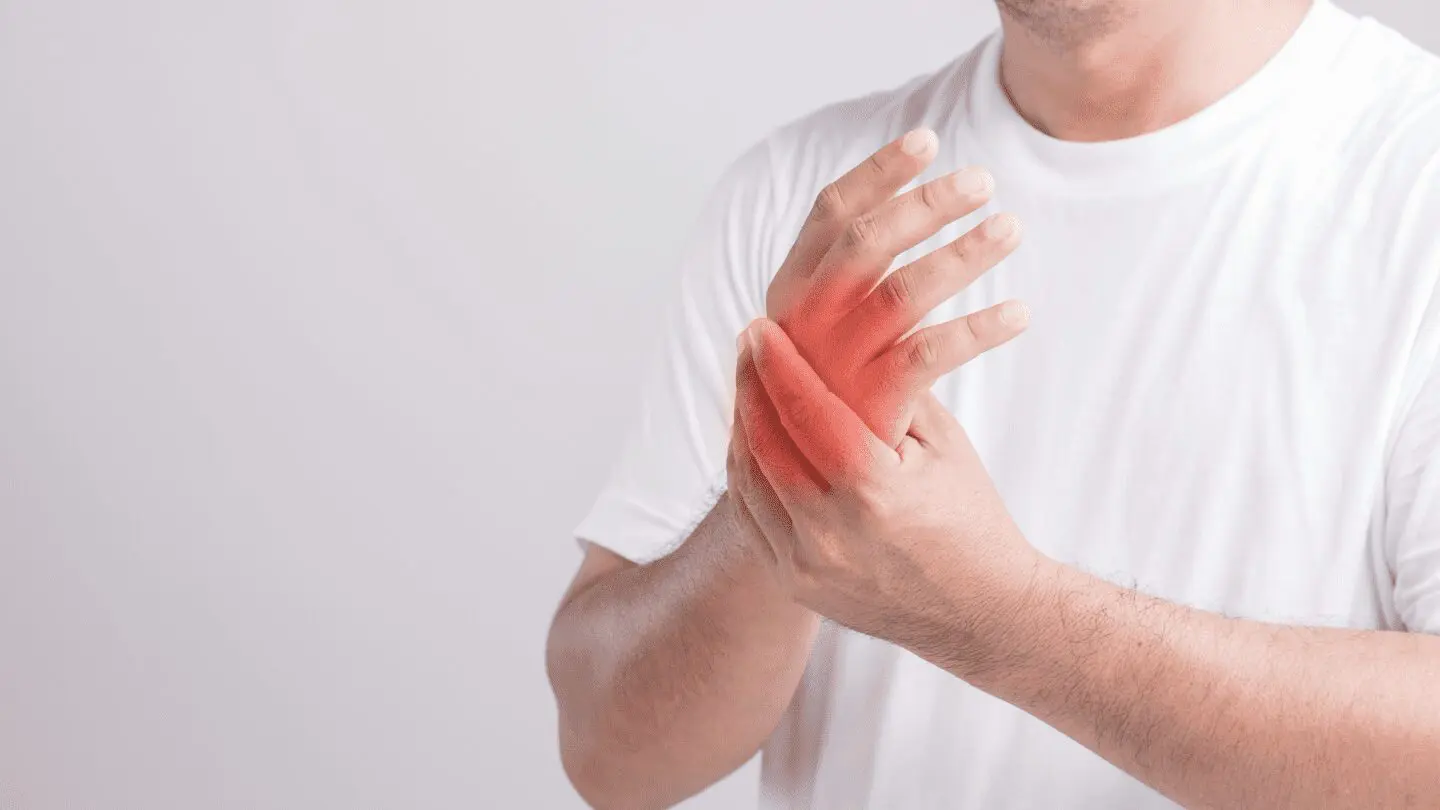
Complex Regional Pain Syndrome (CRPS) is a chronic neurological pain condition that can develop after an injury, fracture, surgery, or other trauma, causing severe pain, swelling, skin changes, and significant functional limitations that are often disproportionate to the original injury. At Integrative Sports & Spine, our physicians provide individualized, evidence-based treatment plans that combine interventional pain management, rehabilitation, and desensitization therapies to reduce symptoms, restore function, and improve quality of life.

Quick Overview

Icon representing estimated treatment duration for pain procedures

2 to 3 Hours

Treatment Time

CRPS care sessions are typically completed within a 2-to-3-hour visit depending on the treatment plan.

Recovery icon symbolizing average healing time after pain treatment

1-3 Days

Recovery Time

Minimal downtime. Most patients return to normal activities within 1-3 days.

Location pin icon showing availability of pain treatments at all four Southern California clinics: Riverside, Alhambra, Long Beach, and City of Industry

All Clinics

Locations Available

Available at all ISS clinics - Long Beach, Alhambra, Riverside, and City of Industry.

Understanding CRPS and How We Treat It

Complex Regional Pain Syndrome (CRPS) is a chronic pain condition that causes severe, persistent pain that is disproportionate to the original injury. CRPS Type I develops after an injury, surgery, fracture, or immobilization without a confirmed nerve injury, while CRPS Type II occurs when a specific peripheral nerve has been damaged. In both forms, abnormal activity within the nervous system and ongoing inflammation can cause pain to persist long after the initial injury has healed.

In addition to pain, CRPS may cause extreme sensitivity to touch, swelling, changes in skin color or temperature, abnormal sweating, and reduced limb function. Early diagnosis and treatment often lead to better outcomes, but patients with longstanding CRPS can still benefit from comprehensive care. Our treatment approach focuses on reducing pain, calming nervous system hypersensitivity, restoring movement, and improving overall function through a combination of interventional procedures and rehabilitation strategies.

At Integrative Sports & Spine, we approach CRPS treatment through the lens of individualized, multimodal care. No two CRPS presentations are identical, and treatment plans are built around each patient's specific type, stage, dominant symptoms, functional limitations, and prior treatment history. Our toolkit includes sympathetic nerve blocks and stellate ganglion blocks for sympathetically maintained pain, epidural procedures where spinal involvement is present, regenerative strategies for peripheral nerve support, a graded motor imagery and desensitization rehabilitation program, and close coordination with the patient's broader care team including neurology, psychology, and physical therapy. Every plan is recalibrated at each visit based on how the patient's condition is evolving.

Benefits of Specialized CRPS Treatment

Early Intervention to Prevent Chronification

CRPS outcomes are strongly time-dependent. Patients who receive aggressive, multimodal treatment in the acute phase have a meaningfully higher rate of remission or significant symptom reduction than those who receive delayed or passive care. Our clinic provides rapid access to the specialist evaluation and interventional procedures that CRPS management requires at the earliest possible stage.

Targeted Sympathetic Nervous System Modulation

A core driver of pain and vascular symptoms in many CRPS patients is abnormal sympathetic nervous system activity in the affected limb. Sympathetic nerve blocks, including lumbar sympathetic blocks for lower limb CRPS and stellate ganglion blocks for upper limb involvement, interrupt this pathological signaling, reduce burning pain, and restore blood flow regulation in ways that no oral medication can replicate.

Multimodal Treatment That Addresses All Dimensions of CRPS

CRPS has neurological, inflammatory, vascular, psychological, and functional dimensions. Treating only the pain pharmacologically leaves the majority of the condition unaddressed. Our treatment programs integrate interventional pain management, physical rehabilitation, desensitization therapy, and patient education to create a comprehensive response to the full complexity of the condition.

Individualized Plans That Evolve With the Patient

CRPS is not a condition that follows a predictable trajectory. Symptoms fluctuate, new features emerge, and the relative importance of different treatment components shifts over time. Our physicians monitor each patient's progress closely and adjust treatment plans at every visit based on what is helping, what is not, and how the clinical picture is changing.

Conditions We Treat

Acute CRPS Following Trauma or Surgery
When CRPS is diagnosed within the first few months after an injury or surgery, early intervention can significantly improve outcomes. Treatment focuses on reducing inflammation, controlling pain, and restoring function through rehabilitation and nerve-focused procedures.

Upper Limb CRPS
CRPS affecting the upper extremity can cause burning pain, swelling, skin changes, and loss of hand or arm function. Targeted sympathetic nerve blocks and rehabilitation help reduce symptoms and improve mobility.

Lower Limb CRPS
Lower extremity CRPS often develops after fractures, surgery, or nerve injuries and may cause severe pain with walking or standing. Treatment combines sympathetic nerve blocks with structured rehabilitation to restore movement.

Chronic and Refractory CRPS
Long-standing CRPS requires a comprehensive approach focused on reducing pain, improving function, and addressing nervous system sensitization. Even chronic cases can achieve meaningful improvement with appropriate care.

CRPS Type II Following Peripheral Nerve Injury
When CRPS develops after a confirmed nerve injury, treatment targets both the injured nerve and the abnormal pain response. Nerve blocks, regenerative therapies, and rehabilitation may all play a role.

CRPS with Dystonia or Motor Involvement
Some patients develop tremors, muscle spasms, or abnormal limb positioning in addition to pain. Treatment addresses both pain control and restoration of normal movement patterns.

Pediatric and Adolescent CRPS
CRPS can occur in children and teenagers, often following sports injuries or minor trauma. Early diagnosis and a multidisciplinary treatment plan are essential to prevent long-term disability and restore normal activity levels.

Recurrent CRPS Flare-Ups
Patients with a history of CRPS may experience symptom flare-ups after new injuries, surgeries, or periods of increased stress. Prompt treatment can help control symptoms, reduce pain intensity, and prevent further progression.

What to Expect During Your Appointment

Before Your Treatment

Preparation Guidelines• Bring all prior diagnostic records, including any prior nerve conduction studies, bone scans, MRI or CT imaging, and documentation of the original injury or event that preceded your CRPS symptoms.
• Bring a complete list of all medications, supplements, and any prior treatments attempted for your CRPS, including their outcomes.
• Wear comfortable, loose clothing that allows easy access to the affected limb. Avoid tight sleeves, socks, or shoes on the CRPS-affected extremity if contact is painful.
• Be prepared to describe your full symptom picture: the character of the pain, what triggers or worsens it, skin and temperature changes you have noticed, and the current functional capacity of the affected limb.
• If you have had sympathetic nerve blocks or other interventional procedures previously, bring records of those procedures and your pain response to each, as this history directly guides treatment planning.
• Arrange transportation home for any procedure day, particularly if a nerve block affecting the upper or lower extremity is planned.

Initial ConsultationYour first appointment is a comprehensive evaluation that takes the full complexity of CRPS seriously. Our physicians conduct a detailed clinical history, neurological examination, assessment of the affected limb including skin temperature, color, swelling, range of motion, and allodynia mapping, and a thorough review of all prior diagnostic workup and treatments. CRPS is diagnosed clinically using the Budapest Criteria, which our physicians apply systematically. You leave with a confirmed or working diagnosis, a clear understanding of your CRPS stage and dominant mechanisms, and a treatment plan that is both specific and realistic.

During the Procedure

Comfort and Preparation• Before any CRPS procedure, your physician will review your symptoms, treatment goals, and the role the procedure plays in your overall recovery plan. The treatment area is carefully cleaned, and a local anesthetic is used to maximize comfort during the procedure.
• Most image-guided procedures are completed in 2 to 3 hours and are performed in our procedure suite using fluoroscopic or ultrasound guidance. Patients are monitored briefly afterward and are typically able to return home the same day with detailed post-procedure instructions.

Targeted Treatment• Sympathetic nerve blocks, including stellate ganglion blocks for upper extremity CRPS and lumbar sympathetic blocks for lower extremity CRPS, are designed to reduce abnormal nervous system activity that contributes to chronic pain, swelling, and circulation changes.
• Many patients experience increased warmth, improved mobility, and reduced pain within hours of treatment.
• Additional treatments, such as peripheral nerve blocks and other image-guided interventional procedures, may be recommended depending on your symptoms and condition. These targeted therapies are often combined with physical therapy and rehabilitation to maximize functional recovery and help restore normal limb use.

After Your Treatment

Immediate Recovery• Most patients return home the same day after their procedure.
• Following a stellate ganglion block, temporary eyelid drooping, nasal congestion, facial warmth, or a warm, dry hand may occur and typically resolve within several hours.
• Following a lumbar sympathetic block, patients may notice warmth, improved circulation, and reduced pain in the affected leg shortly after treatment.
• Avoid driving or operating heavy machinery on the day of your procedure and arrange transportation in advance.
• Contact our office immediately if you experience difficulty swallowing, significant weakness, breathing difficulties, or unexpected neurological changes.

Patient applying ice pack after pain treatment as part of immediate recovery protocol

First 72 Hours• Pain levels, sensitivity, and circulation changes may continue to improve during the first few days after treatment.
• Some patients experience temporary soreness at the injection site, which generally resolves quickly.
• Continue physical therapy and desensitization exercises as recommended to take advantage of the reduced pain window created by the procedure.
• Gradually increase activity levels as tolerated while avoiding activities that significantly worsen symptoms.
• Monitor your symptoms and communicate any concerns or unexpected changes to your care team.

Patient resting at home during the first 72 hours after a pain management procedure

Long-Term Recovery• CRPS treatment is a progressive process that typically combines interventional procedures, rehabilitation, and pain management strategies.
• Regular follow-up visits allow your physician to assess your response to treatment and adjust your care plan as needed.
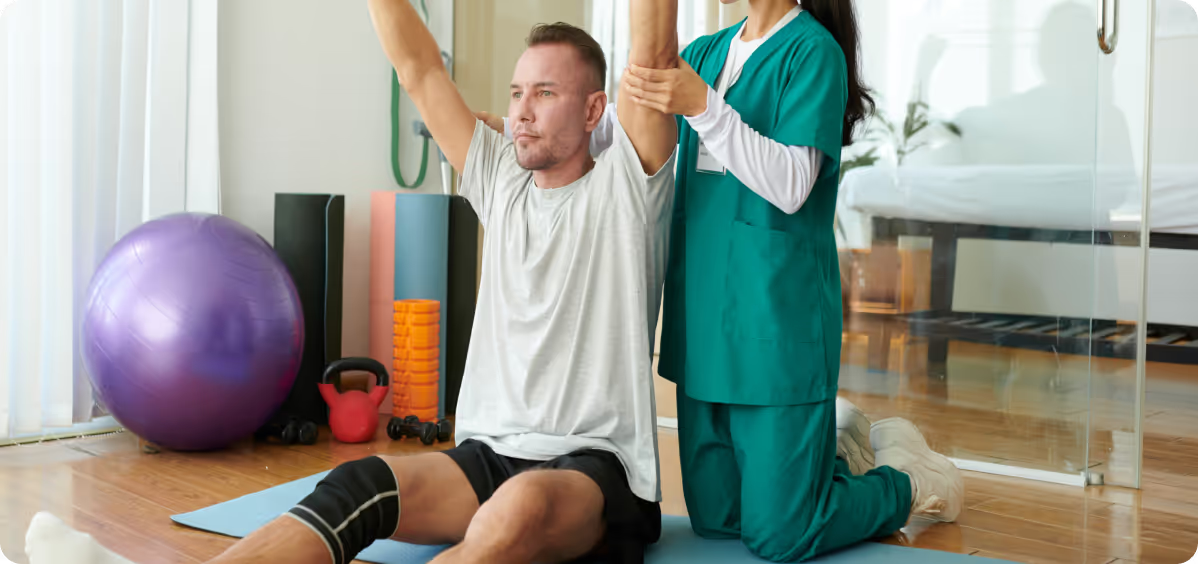
• Consistent participation in physical therapy, desensitization training, and home exercise programs is essential for restoring function and improving outcomes.
• Additional procedures may be recommended depending on symptom progression and treatment response.
• Long-term success depends on maintaining mobility, reducing nervous system sensitization, and continuing the therapies that support sustained improvement.

Patient attending follow-up recovery session at a Southern California pain clinic for long-term pain relief

Why Choose Integrative Sports & Spine?

Physicians Who Understand CRPS
CRPS is a condition that is misdiagnosed, dismissed, and undertreated with regularity across the healthcare system. Our physicians have specific training and clinical experience in CRPS diagnosis using the Budapest Criteria, the full spectrum of sympathetic and central interventional procedures used in CRPS management, and the multimodal treatment philosophy that evidence consistently shows produces the best outcomes.

Interventional Expertise in Sympathetic Procedures
Effective CRPS care cannot be delivered through injections alone. Our clinic integrates interventional procedures with graded motor imagery, desensitization rehabilitation, pain neuroscience education, and coordination with physical therapists, psychologists, and other specialists involved in the patient's care. This multidimensional approach addresses the condition's neurological, inflammatory, vascular, and psychological components together.

A Truly Multidimensional Treatment Approach
Effective CRPS care cannot be delivered through injections alone. Our clinic integrates interventional procedures with graded motor imagery, desensitization rehabilitation, pain neuroscience education, and coordination with physical therapists, psychologists, and other specialists involved in the patient's care. This multidimensional approach addresses the condition's neurological, inflammatory, vascular, and psychological components together.

Compassionate, Validating Care for a Misunderstood Condition
CRPS patients frequently arrive at our clinic having been disbelieved, dismissed, or undertreated elsewhere. They have often been told their pain cannot be as severe as they report or that nothing can be done. We take CRPS seriously as the complex neurological condition it is, listen to patients thoroughly, and build treatment plans that respect the severity of what they are experiencing while maintaining honest, realistic expectations for progress.

Advanced pain management equipment used by specialists at our Southern California clinics in Riverside, Alhambra, Long Beach, and City of Industry

Frequently Asked Questions

What is the difference between CRPS Type I and CRPS Type II?
FAQ Header Icon

CRPS Type I, previously called reflex sympathetic dystrophy, develops after an injury or event without a confirmed peripheral nerve injury. It is the more common form and can follow fractures, sprains, surgery, or even minor trauma. CRPS Type II, formerly called causalgia, is diagnosed when a specific peripheral nerve injury can be confirmed. Both types share the same core features of disproportionate pain, allodynia, and autonomic changes, but Type II tends to involve more intense neurological symptoms in the territory of the injured nerve. Treatment approaches overlap significantly between the two types, with the injured nerve in Type II providing an additional therapeutic target.

How is CRPS diagnosed?
FAQ Header Icon

CRPS is a clinical diagnosis based on the Budapest Criteria, an internationally recognized set of diagnostic standards that assess the distribution and character of pain, sensory abnormalities including allodynia and hyperalgesia, vascular changes including skin color and temperature asymmetry, sudomotor changes including abnormal sweating, and motor or trophic changes. No single laboratory test or imaging study confirms CRPS, though bone scans, thermography, and MRI can provide supportive evidence. Early diagnosis requires a physician experienced in recognizing the condition's often atypical presentation.

Are trigger point injections effective for fibromyalgia?
FAQ Header Icon

Trigger point injections can be helpful for certain patients with fibromyalgia who also have localized muscle tightness or myofascial pain components. While they do not treat the underlying central sensitization, they can reduce focal pain areas and improve mobility when used as part of a broader treatment plan that includes physical therapy and nervous system modulation strategies.

Does CRPS go away on its own?
FAQ Header Icon

In a proportion of patients, particularly those with early-onset acute CRPS who receive prompt treatment, the condition does resolve or enter long-term remission. The probability of resolution decreases significantly as the condition progresses past the acute phase without adequate treatment. This is one of the most important reasons for early specialist evaluation. Chronic CRPS that has been present for a year or more is less likely to fully resolve but can still be substantially improved with a well-designed treatment program.

What are sympathetic nerve blocks and how do they help CRPS?
FAQ Header Icon

Sympathetic nerve blocks interrupt the activity of the sympathetic nervous system in the region of the affected limb. In CRPS, the sympathetic nervous system is abnormally activated and contributes to the burning pain, vascular changes, and inflammation that characterize the condition. A stellate ganglion block targets the sympathetic chain at the neck for upper limb CRPS. A lumbar sympathetic block targets the sympathetic chain at the lower back for lower limb CRPS. Successful blocks produce warmth, reduced burning, and improved color and circulation in the affected limb. They also create a reduced-pain window during which rehabilitation is much more productive.

Can CRPS spread to other parts of the body?
FAQ Header Icon

In a minority of patients, CRPS can spread beyond its original territory, either extending proximally up the affected limb, spreading to a contralateral limb, or occasionally involving other regions. Spread is more common when the condition is inadequately treated and allowed to progress. Early, aggressive treatment significantly reduces the risk of spread. If you notice new symptoms developing in areas beyond the original CRPS location, notify your physician immediately so the treatment plan can be adjusted accordingly.

Logos of major insurance providers accepted at our pain management clinics

Insurance Coverage

At Integrative Sports & Spine, we work with most major insurance providers to ensure that patients with CRPS can access the specialized, multimodal care they need without the additional burden of navigating complex coverage issues alone. Our team verifies your benefits before your first appointment and provides clear, upfront information about your coverage and any costs.
We Accept
• Medicare
• PPO Plans
• Self-Pay Options Available
Financial Policy
• Insurance verification completed prior to appointment
• Co-payments and deductibles due at time of service
• Self-pay options available with transparent pricing
• Flexible payment plans for eligible treatments

Our Patients Love Us

Jennifer A., 38

Treated for CRPS Type I following right wrist fracture

"After my wrist fracture I developed burning pain that was completely out of proportion to the injury. My hand turned purple, felt like it was on fire, and I could not bear anything touching it. Three different providers dismissed me or said the pain was in my head. Here they recognized my CRPS immediately, performed stellate ganglion blocks, and started me in a graded motor imagery program. The relief from those first blocks was the first time I had felt human in months. After six months of treatment I have my hand function back and the burning is at a level I can actually live with. I am incredibly grateful I found this team."

Five out of five star rating icon representing the highest possible satisfaction score
Michael T., 51

Treated for CRPS Type I following left ankle surgery, lower extremity

"The pain in my foot after my ankle surgery was unbearable and nothing was touching it. I spent a year being told to just walk through the pain before I found this practice. The lumbar sympathetic blocks gave me windows of genuine relief for the first time in that year, and the physical therapist used those windows to push my rehabilitation forward. I went from being unable to bear weight to walking my dog every day. Slow progress, but real progress. This team actually understands this condition."

Five out of five star rating icon representing the highest possible satisfaction score
Diane R., 44

Treated for chronic CRPS Type II following ulnar nerve injury

"I had been living with CRPS for over two years when I came here, and I had given up on significant improvement. What I found was a team that was honest about what was still possible while being genuinely committed to finding it. The combination of nerve-targeted injections, mirror therapy, and a rehabilitation program that understood what my nervous system was doing changed my quality of life meaningfully. I will always have some CRPS. But I have my life back in a way I did not think was possible anymore."

Five out of five star rating icon representing the highest possible satisfaction score
Five out of five star rating shown from patient reviews, reflecting consistently excellent satisfaction and positive outcomes

Ready to Take the First Step Toward CRPS Relief?

Complex regional pain syndrome is one of the most demanding pain conditions a person can face, and it deserves one of the most carefully designed, expertly delivered treatment responses available. At Integrative Sports & Spine, our CRPS specialists provide the individualized, multimodal care that this condition requires, beginning with an evaluation that takes your symptoms seriously and a treatment plan that is built around your specific presentation, stage, and goals.

Call (833) 476-7377 or click the appointment button below to schedule a consultation at any of our four Southern California pain clinic locations.

Book an Appointment

Related Services

Trigger Point Injections 

The primary interventional tool for fibromyalgia-related myofascial pain precisely targets the hyperirritable muscle nodules that generate referred pain patterns and sustain central sensitization, providing relief that stretching, massage, and oral medication alone cannot achieve.

View More
Neuropathy Treatment

CRPS and peripheral neuropathy share the common feature of peripheral and central nerve sensitization. Our neuropathy treatment program applies the same evidence-based nerve-focused care model to patients with peripheral nerve disorders beyond the CRPS spectrum.

View More
Epidural Steroid Injections

When CRPS involves a central spinal component contributing to pain amplification, epidural procedures may be incorporated into the treatment program to address neuroinflammation at the spinal cord level.

View More
Location icon encouraging patients to contact our pain management clinics for more information
Contact Us

(833) 476-7377

Clock icon displaying clinic hours for all Southern California pain management locations
Open Hours

Mon - Fri: 9:00am to 5:00pm