Bulging Disc Treatment
in Southern California

Integrative Sports & Spine offers non-surgical bulging disc treatment for spinal pain, nerve compression, and reduced mobility. We provide targeted care at our pain clinics in Long Beach, Riverside, Alhambra, and City of Industry.

Quick Overview

Icon representing estimated treatment duration for pain procedures

2 to 3 Hours

Treatment Time

Most interventional bulging disc treatments are completed in 2 to 3 hours.

Recovery icon symbolizing average healing time after pain treatment

1-3 Days

Recovery Time

Minimal downtime; most patients return to normal activities within 1-3 days.

Location pin icon showing availability of pain treatments at all four Southern California clinics: Riverside, Alhambra, Long Beach, and City of Industry

All Clinics

Locations Available

Available at all ISS clinics - Long Beach, Alhambra, Riverside, and City of Industry.

Understanding Our Bulging Disc Treatment

Spinal discs are flexible, shock-absorbing structures that allow the spine to move while distributing mechanical load during everyday activity. Each disc contains a tough outer ring and a gel-like center. When the outer ring weakens over time from stress, posture imbalance, or degeneration, the disc can begin to extend outward beyond its normal boundary. This is known as a bulging disc.

Unlike a herniation, the disc’s outer wall remains intact, but the outward pressure can still reduce available space around nearby spinal nerves depending on where it occurs. This can lead to a wide range of nerve-related and mechanical pain patterns that may not always match the severity seen on imaging, making careful clinical correlation essential. At our pain clinic, we evaluate both diagnostic imaging and detailed physical findings to determine whether a bulging disc is truly contributing to your condition.

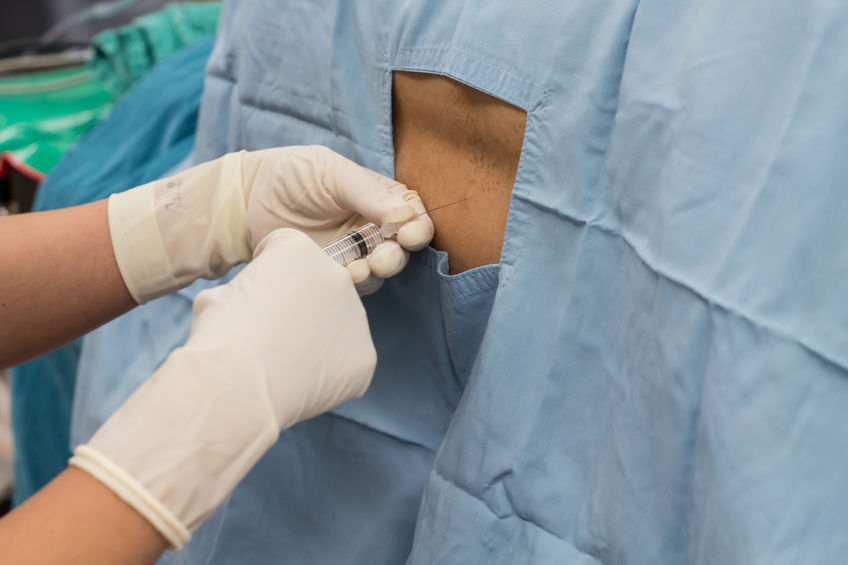
At Integrative Sports & Spine, a dedicated interventional pain clinic, we focus on non-surgical treatments designed to reduce inflammation and relieve pressure on irritated nerve structures. Our approach may include epidural steroid injections, selective nerve root blocks, facet joint injections, and other image-guided procedures, combined with rehabilitation strategies that support spinal stability and reduce mechanical stress on the affected disc.

Bulging Disc Injection Treatment

Benefits of Bulging Disc Treatment

Prevents Disc Herniation

A bulging disc exists on a continuum. Left unmanaged, especially in the presence of ongoing mechanical stress, inflammation, and poor spinal mechanics, it can deteriorate into a full herniation with far more severe nerve compression. Early, targeted intervention addresses the inflammatory environment and mechanical load that drive disc deterioration, giving the disc its best opportunity to stabilize.

Relieves Nerve Compression Without Surgery

When a bulging disc narrows the spinal canal or neural foramen, surgical decompression is sometimes discussed as an option. However, the majority of patients achieve clinically meaningful nerve decompression and symptom relief through anti-inflammatory injections, neural mobilization, and rehabilitative exercise, all without incisions, fusion hardware, or extended post-operative recovery.

Addresses Root Cause Mechanics

Pain medication manages the experience of disc pain without changing anything about the disc itself. Our approach combines direct treatment of disc-related inflammation with physical rehabilitation that corrects the postural habits, movement patterns, and muscular imbalances that originally stressed the disc, creating lasting structural change rather than temporary chemical relief.

Reduces Impact on Daily Function

Chronic disc pain from a bulging disc does not affect only the spine. It disrupts sleep quality, limits sitting and standing tolerance, impairs concentration, and gradually erodes physical confidence. Our treatment model prioritizes functional restoration, getting you back to work, activity, and rest without the constant background of disc pain.

Conditions We Treat

Cervical Bulging Disc 
A disc in the neck that has expanded outward and is encroaching on the spinal canal or cervical nerve root foramen. Patients typically experience neck stiffness, headaches originating at the base of the skull, and arm pain or numbness that follows a specific dermatomal pattern into the forearm, hand, or fingers. Cervical epidural injections and selective nerve root blocks reduce perineural inflammation and create the therapeutic conditions needed for nerve recovery.

Lumbar Bulging Disc
The most common location for disc protrusion, the lumbar spine bears the greatest compressive load of any spinal region. A bulging disc in the lower back can compress the L4, L5, or S1 nerve roots producing lower back pain alongside leg pain, foot numbness, or weakness in the calf or ankle. Lumbar epidural steroid injections and transforaminal nerve root blocks deliver targeted anti-inflammatory relief directly to the affected neural structures.

Thoracic Bulging Disc
Disc protrusion in the mid-back is less common but can produce a distinctive band of pain wrapping around the rib cage, chest tightness, or mid-back stiffness that worsens with prolonged sitting. Because thoracic disc symptoms are frequently misattributed to other conditions, accurate diagnosis is critical before treatment begins.

Bulging Disc with Central Canal Stenosis When a posteriorly bulging disc reduces the diameter of the central spinal canal, it compresses not just individual nerve roots but the spinal cord or cauda equina. This can produce bilateral leg symptoms, gait disturbance, and neurogenic claudication, leg pain and fatigue that worsens with walking and improves with sitting or flexion. Epidural injections reduce inflammatory edema within the stenotic canal and restore walking tolerance.

Bulging Disc with Foraminal Narrowing 
The intervertebral foramina are the lateral openings through which individual nerve roots exit the spinal canal. A bulging disc that protrudes into the foramen reduces the available space for the nerve, generating irritation, inflammation, and radicular symptoms. Transforaminal injections deliver medication directly to this narrow corridor to decompress and calm the affected nerve root.

Bulging Disc Coexisting with Facet Joint Disease
Disc degeneration and facet arthropathy frequently develop together in the same spinal segment because the disc and facet joints share the load of stabilizing each vertebral level. When both structures are pain generators, treating only one produces incomplete relief. Our multi-target approach addresses disc and facet pathology together for more comprehensive outcomes.

Asymptomatic Bulge That Has Become Symptomatic After Injury 
Many patients have a pre-existing bulging disc that was discovered incidentally on prior imaging but caused no symptoms  until a new injury, period of overuse, or postural change triggered inflammation around the disc. Targeted treatment of the newly irritated disc environment, combined with a rehabilitation program that corrects the provocative mechanics, restores the disc to its previously asymptomatic state.

Bulging Disc with Radiculopathy and Motor Deficit
A bulging disc can compress a spinal nerve root enough to cause radicular pain along with muscle weakness, reduced reflexes, or coordination issues depending on the affected level. Targeted epidural steroid injections or selective nerve root blocks help reduce inflammation around the nerve and support recovery of nerve function.

What to Expect During Your Appointment

Before Your Treatment

Preparation Guidelines• Discontinue blood-thinning medications including aspirin, ibuprofen, naproxen, and prescription anticoagulants for the number of days specified by your physician before your procedure.
• Do not eat or drink for at least four hours before your appointment if IV sedation has been discussed as part of your procedure plan.
• Arrange transportation in advance so you will not be cleared to drive yourself home following an injection procedure.
• Wear loose, comfortable clothing appropriate for your treatment area. For lumbar procedures, clothing that allows easy access to the lower back is ideal. For cervical procedures, avoid high-collared tops or jewelry around the neck.
• Bring all current MRI, CT, or X-ray imaging of your spine, ideally from the past 12 to 18 months.
• Provide a complete list of medications, supplements, and vitamins, including over-the-counter products and herbal remedies.
• Inform your physician of any history of contrast dye reactions, steroid sensitivity, or prior spine procedures before the day of treatment.

Initial ConsultationYour care begins with a thorough one-on-one evaluation conducted by one of our spine specialists. We review your full medical and symptom history, with focused attention to how your pain started, what positions or movements worsen or relieve it, and whether you experience any radiating, burning, or electrical symptoms into your extremities. We perform a hands-on neurological examination that assesses muscle strength, deep tendon reflexes, and sensory mapping to identify which spinal level and nerve root your symptoms correspond to. We then correlate these clinical findings with your imaging to confirm the bulging disc as the source and to rule out other contributing spinal pathology. We integrate your occupational demands, activity goals, and prior treatment history into a care plan designed around your specific functional needs.

During the Procedure

Comfort and Preparation• You will be comfortably positioned on the procedure table to ensure full access to the treatment area.
• The skin is thoroughly cleaned and sterilized to maintain a safe, controlled procedure environment.
• A local anesthetic is applied before any instrumentation to help ensure comfort throughout the procedure.

Targeted Treatment• Your physician uses real-time fluoroscopy with contrast or high-resolution ultrasound to accurately guide needle placement to the affected area, including the epidural space, nerve root sleeve, facet joint, or surrounding soft tissue.
• Contrast imaging is used to confirm precise needle positioning before any medication is delivered.
• Most procedures take 15 to 45 minutes, followed by a brief monitoring period in the recovery area before discharge.

After Your Treatment

Immediate Recovery• Plan to rest at home for the remainder of the day.
• Avoid any physically demanding tasks on the day of your procedure.
• Mild soreness at the injection site or a temporary increase in your familiar spinal symptoms within the first 24 to 48 hours is a normal post-procedure response and typically resolves as the medication begins to take effect.
• Apply a cold pack to the treated area for 15 to 20 minutes every two to three hours to help manage any local discomfort or swelling.
• Avoid driving or operating machinery if sedation was used during your procedure.

Patient applying ice pack after pain treatment as part of immediate recovery protocol

First 72 Hours• Avoid spinal loading activities including heavy lifting, prolonged sitting, bending, and twisting during the first 72 hours.
• Do not soak in pools, baths, or hot tubs for the first 48 hours following injection.
• Contact our clinic promptly if you develop fever, a significant increase in arm or leg weakness or numbness, any change in bladder or bowel control, or signs of infection at the injection site.

Patient resting at home during the first 72 hours after a pain management procedure

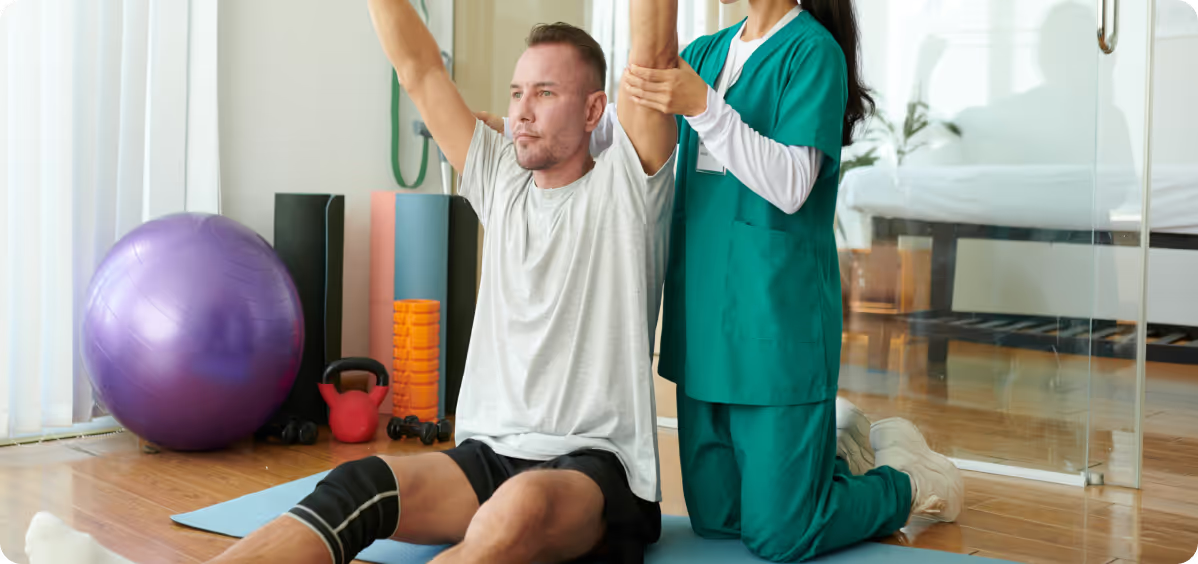
Long-Term Recovery• Begin your individualized physical therapy program as directed. Core stabilization training, lumbar or cervical decompression exercises, postural retraining, and movement pattern correction are not optional additions. They are the structural work that determines whether your disc stabilizes long-term or continues to deteriorate.
• Resume daily activities progressively over the first one to two weeks, guided by your physician's specific recommendations.
• Corticosteroid injections typically reach peak anti-inflammatory effect within three to seven days. Regenerative treatments such as PRP may require four to twelve weeks for the full therapeutic benefit to develop.
• Return for all scheduled follow-up visits so your physician can assess your neurological improvement, review your rehabilitation progress, and determine whether any additional treatment is indicated.
• Implement any ergonomic, positional, or lifestyle modifications recommended by your care team to reduce ongoing mechanical stress on the affected disc and prevent progression.

Patient attending follow-up recovery session at a Southern California pain clinic for long-term pain relief

Why Choose Integrative Sports & Spine?

Diagnostic Precision That Identifies the Right Pain Generator 
Not every bulging disc seen on MRI is the source of a patient's pain and treating an imaging finding rather than a clinical diagnosis leads to poor outcomes. Our physicians are trained to correlate imaging with examination findings and symptom patterns to confirm the disc is genuinely responsible for your pain before any intervention is recommended.

Fluoroscopic and Ultrasound-Guided Injection Accuracy
Delivering medication to the epidural space, a neural foramen, or a specific disc level demands millimeter precision. We use real-time imaging guidance with contrast verification on every applicable procedure to ensure the therapeutic agent reaches the exact anatomical target maximizing efficacy and safety.

Integrated Regenerative and Anti-Inflammatory Options 
We offer a full spectrum of treatments beyond standard corticosteroid injections, including platelet-rich plasma therapy that targets disc-related inflammation at a biological level. This approach supports the natural repair processes within the disc environment rather than simply suppressing symptoms.

Rehabilitation as a Core Component of Care, Not an Afterthought
Injections alone do not correct the postural dysfunction, movement faults, and muscular imbalances that contributed to your disc bulge in the first place. Our care plans integrate targeted physical rehabilitation from the beginning because the patients who achieve lasting relief are the ones who address both the inflammatory pain and the mechanical cause.

Advanced pain management equipment used by specialists at our Southern California clinics in Riverside, Alhambra, Long Beach, and City of Industry

Frequently Asked Questions

What is the difference between a bulging disc and a herniated disc?
FAQ Header Icon

A bulging disc occurs when the outer layer of the spinal disc extends outward evenly, without a full tear in the disc’s inner material. A herniated disc involves a rupture or tear in the outer layer, allowing inner disc material to push out and irritate nearby nerves more directly. Herniations are more likely to cause significant nerve-related symptoms such as radiating pain, numbness, or weakness.

Can a bulging disc heal or go back to its normal shape?
FAQ Header Icon

In many cases, a bulging disc can improve over time as inflammation decreases and surrounding tissues stabilize the area. While the disc may not always return completely to its original shape, symptoms often resolve as pressure on nearby nerves is reduced. Conservative care such as injections, physical therapy, and activity modification can support this healing process.

How do I know if my bulging disc is the actual cause of my pain?
FAQ Header Icon

A bulging disc seen on imaging is not always the source of pain, since many people have disc bulges without symptoms. Determining whether it is the pain generator requires a detailed physical exam, neurological testing, and correlation of imaging findings with your specific symptoms. In some cases, diagnostic injections may also be used to confirm the exact source of pain.

Will I need more than one injection?
FAQ Header Icon

It depends on how your body responds to treatment and the severity of the inflammation or nerve irritation. Some patients experience significant relief after a single injection, while others may benefit from a series of injections spaced over time. Your treatment plan is adjusted based on symptom improvement and clinical response.

Is it safe to continue working while receiving treatment for a bulging disc?
FAQ Header Icon

Many patients are able to continue working during treatment, especially if symptoms are managed and the job does not place excessive strain on the spine. However, modifications such as reduced lifting, improved posture, or temporary activity restrictions may be recommended. Your provider will guide you based on the severity of your condition and your job demands.

At what point should surgery be considered for a bulging disc?
FAQ Header Icon

Surgery is considered when conservative care fails to relieve symptoms over time, or when there is worsening nerve compression such as persistent pain, progressive weakness, or loss of function. It may also be needed sooner if neurological deficits develop or worsen. Most cases are still managed without surgery.

Logos of major insurance providers accepted at our pain management clinics

Insurance Coverage

At Integrative Sports & Spine, we work with most major insurance providers to make bulging disc treatment accessible and affordable. Our team verifies your coverage before your visit and explains your benefits, including any expected out-of-pocket costs.
We Accept
• Medicare
• PPO Plans
• Self-Pay Options Available
Financial Policy
• Insurance verification completed prior to appointment
• Co-payments and deductibles due at time of service
• Self-pay options available with transparent pricing
• Flexible payment plans for eligible treatments

Our Patients Love Us

Sandra K., 49 

Treated for lumbar bulging disc with leg pain

 "I had been dealing with lower back pain and a constant ache down my right leg for over a year. Nothing I tried on my own was making a dent. After two injections and six weeks of physical therapy here, I finally feel like myself again."

Five out of five star rating icon representing the highest possible satisfaction score
Marcus T., 49

Treated for cervical bulging disc with arm numbness

 "The tingling in my fingers was starting to affect my work. I didn't want surgery and was relieved to find a team that took a non-surgical approach seriously. My symptoms are gone and I know how to protect my neck going forward." 

Five out of five star rating icon representing the highest possible satisfaction score
Angela V., 35 

Treated for lumbar bulging disc with central canal narrowing 

"I was told I had the spine of someone much older and that surgery might be my only option. This team disagreed and they were right. I avoided surgery, completed the rehab program, and I haven't had a bad flare since." ⭐⭐⭐⭐⭐

Five out of five star rating icon representing the highest possible satisfaction score
Five out of five star rating shown from patient reviews, reflecting consistently excellent satisfaction and positive outcomes

Ready to Stop Managing Your Disc Pain and Start Resolving It?

A bulging disc that is compressing spinal nerves and limiting what you can do every day deserves more than pain medication and a wait-and-see approach. Our bulging disc specialists at Integrative Sports & Spine offer precise, non-surgical solutions that target the spinal level responsible for your pain and give your disc the best opportunity to stabilize.

Call (833) 476-7377 or click the appointment button below to schedule a consultation at any of our four Southern California pain clinic locations.

Related Services

Epidural Steroid Injections

 Targeted anti-inflammatory treatment delivered directly to the affected spinal level to reduce disc-related nerve compression, relieve radicular pain, and restore spinal function without surgery.

View More
Platelet-Rich Plasma Therapy 

A regenerative approach that concentrates your body's own healing proteins and delivers them to the disc environment to reduce inflammation, support tissue integrity, and slow degenerative progression.

View More
Herniated Disc Treatment 

Comprehensive non-surgical management for patients whose disc has progressed beyond a bulge to a full herniation  with nerve root block therapy, epidural treatment, and structured rehabilitation tailored to the severity and location of disc rupture.

View More
Location icon encouraging patients to contact our pain management clinics for more information
Contact Us

(833) 476-7377

Clock icon displaying clinic hours for all Southern California pain management locations
Open Hours

Mon - Fri: 9:00am to 5:00pm