A compressed nerve root can cause pain that travels down the arm or leg, along with numbness, tingling, burning, and weakness. At Integrative Sports & Spine, our physicians identify the source of nerve compression and create personalized, non-surgical treatment plans to help relieve pain and restore function. Schedule your consultation today.
.avif)
Treatment Time
Radiculopathy care sessions are typically completed within a 2-to-3-hour visit depending on the treatment plan.
.avif)
Recovery Time
Minimal downtime. Most patients return to normal activities within 1-3 days.
.avif)
Locations Available
Available at all ISS clinics - Long Beach, Alhambra, Riverside, and City of Industry.
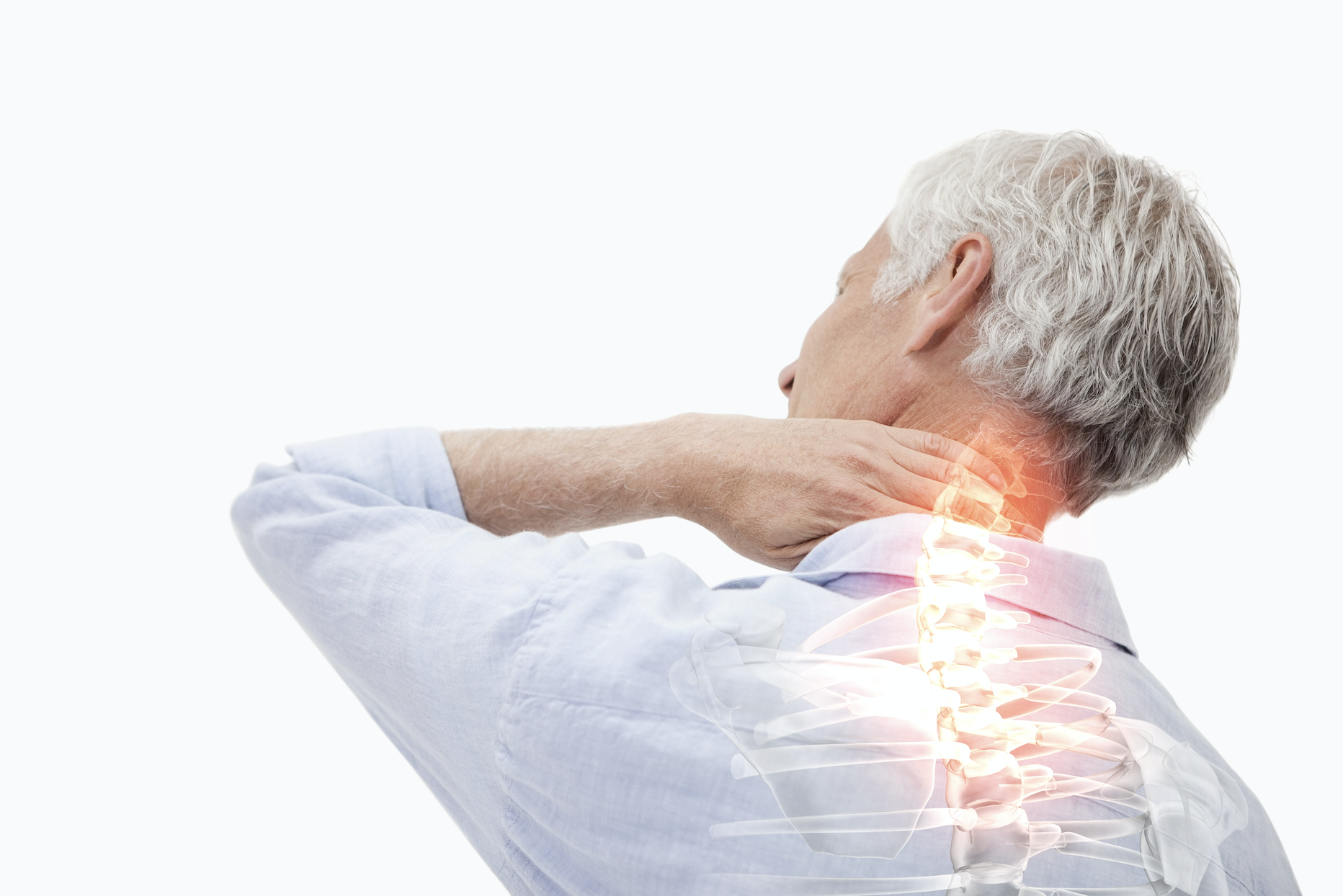
Radiculopathy occurs when a spinal nerve root is compressed, pinched, or chemically irritated as it exits the spinal column. This compression disrupts the normal transmission of nerve signals, producing a distinctive pattern of symptoms that radiates along the pathway that nerve travels. In the neck, cervical radiculopathy most often results from a herniated disc or bone spur narrowing the space where a nerve exits between vertebrae. Symptoms typically travel into the shoulder, arm, forearm, or hand and may affect grip strength and fine motor control. In the lower back, lumbar radiculopathy and sacral nerve root compression are common causes of leg pain, foot numbness, and difficulty with walking or standing for extended periods. Because radiculopathy can mimic other conditions and because symptoms at the hand or foot often have their true source at the spine, accurate diagnosis is the critical first step in effective treatment.
At Integrative Sports & Spine, our physicians perform a thorough neurological and musculoskeletal evaluation to identify the precise nerve root involved and the structural cause of compression. We integrate physical examination findings with MRI, CT, and electrodiagnostic studies where appropriate. Treatment plans may include targeted epidural steroid injections, selective nerve root blocks, physical therapy focused on nerve mobilization and spinal stabilization, regenerative procedures, and comprehensive rehabilitation. Every plan is built around your diagnosis, not a generic protocol.

Effective radiculopathy care begins with knowing exactly which nerve root is affected. Our detailed clinical evaluation, combined with advanced imaging review, ensures that every injection or procedure is directed to the precise anatomical level responsible for your symptoms.
Surgery is rarely the first or only answer for nerve root compression. Our clinic offers image-guided injections, nerve blocks, and regenerative therapies that reduce inflammation, relieve compression, and restore normal nerve function without the recovery burden of spinal surgery.
Whether your radiculopathy originates in the neck and radiates into your arm or originates in the lower back and travels down your leg, our physicians have the specialized training and procedural expertise to treat both cervical and lumbar nerve root conditions effectively.
Radiculopathy can sideline you from work, exercise, and daily activities. Our treatment programs combine targeted interventions with nerve-specific physical therapy to accelerate your return to full function and help you regain strength and mobility in the affected arm or leg.
Cervical RadiculopathyWidespread Myofascial Pain with Trigger PointsNerve root compression in the cervical spine causes pain, numbness, tingling, or weakness that travels from the neck into the shoulder, arm, or fingers. Cervical epidural steroid injections and selective nerve root blocks provide targeted relief while physical therapy addresses the underlying structural factors.
Lumbar RadiculopathCompression of lumbar nerve roots produces radiating pain, burning, or numbness that travels through the buttock, thigh, lower leg, or foot. Lumbar epidural steroid injections and transforaminal nerve root blocks reduce nerve inflammation and restore comfortable movement.
Post-Traumatic RadiculopathyInjuries from auto accidents, falls, or sports collisions can acutely compress or inflame nerve roots. Early intervention with nerve-focused injections and structured rehabilitation reduces the risk of symptoms becoming chronic and supports full neurological recovery.
Foraminal Stenosis and Bone Spur IrritatioAge-related narrowing of the nerve exit channels or the growth of bony spurs can chronically compress nerve roots. Our physicians combine interventional pain management with rehabilitation to manage symptoms and preserve long-term function.
Degenerative Disc Disease with Radicular SymptomsProgressive disc wear that leads to height loss and nerve root irritation can produce recurring radicular episodes. We address both the inflammatory component driving acute symptoms and the structural changes that contribute to ongoing nerve root vulnerability.
Spinal Stenosis with Nerve Root Compression Narrowing of the spinal canal can place pressure on one or more nerve roots, causing pain, numbness, weakness, or cramping in the arms or legs. Image-guided injections and comprehensive rehabilitation help reduce inflammation and improve mobility.
Spondylolisthesis-Related Radiculopathy When one vertebra slips forward over another, nearby nerve roots can become compressed or irritated. Our treatment approach focuses on reducing nerve inflammation, stabilizing spinal mechanics, and improving function without surgery whenever possible.
Failed Back Surgery Syndrome (Persistent Radicular Pain)Some patients continue to experience nerve-related pain after spinal surgery due to scar tissue formation, recurrent disc issues, or ongoing nerve irritation. We utilize advanced diagnostic evaluation and targeted interventional therapies to help manage persistent symptoms and improve quality of life.
Preparation Guidelines• Wear comfortable clothing that allows access to the neck, mid-back, or lower back depending on the area being treated.
• Bring a complete list of all medications, supplements, and blood thinners you are currently taking.
• Notify our team of any known allergies, particularly to contrast dye, local anesthetics, or corticosteroids.
• Bring any existing MRI, CT, or X-ray imaging of your spine, as well as any prior nerve conduction or EMG study results.
• Avoid eating a heavy meal immediately before procedures involving sedation.
• Arrange transportation home if your procedure involves sedation or a nerve block that temporarily affects limb strength.
Initial ConsultationYour first visit is a thorough physician consultation. Our doctors spend dedicated time understanding the full picture of your radiculopathy: when symptoms began, what makes them better or worse, which activities are limited, and what treatments you have already tried. A complete neurological examination maps the distribution of your symptoms to specific nerve root levels, and all imaging is reviewed carefully. You leave with a clear diagnosis and a treatment plan that explains your options in plain language.
Comfort and Preparation• The treatment area is cleaned thoroughly and numbed with a local anesthetic before any injection is placed.
• Our physicians take time to confirm your comfort before beginning the procedure.
Targeted Treatment• Using fluoroscopic or ultrasound guidance, your physician precisely positions the needle at the affected nerve root, epidural space, or foramen.
• Contrast dye may be used with fluoroscopy to confirm accurate needle placement before the therapeutic agent is delivered.
• Procedures typically take 20 to 45 minutes, and you are monitored for a short period before being cleared to go home.
Immediate Recovery• Most patients return home the same day, shortly after the procedure.
• Temporary numbness or heaviness in the arm or leg being treated is normal and typically resolves within a few hours.
• Apply ice to the injection site for 15 to 20 minutes every two to three hours to manage any post-procedure soreness.
• Avoid driving for the remainder of the day if a nerve block was performed.
.avif)
First 72 Hours• Rest from strenuous activity, heavy lifting, and exercise during the initial recovery window.
• Keep the injection area clean and dry.
• Take prescribed medications only as directed by your physician.
• Contact our office promptly if you notice any unusual change in neurological symptoms, severe pain, fever, or signs of infection.

Long-Term Recovery• Resume physical therapy and light activity gradually over the first one to two weeks, following your physician's guidance.
• A nerve-specific rehabilitation program focusing on strength, flexibility, and postural correction is essential to sustaining the benefits of your injection and preventing recurrence.
• Attend all scheduled follow-up appointments so your physician can assess your neurological progress and adjust your care plan as needed.
• Ergonomic improvements at your workstation, sleeping position adjustments, and appropriate body mechanics during lifting can significantly reduce stress on the affected nerve root over time.
• Regenerative procedures such as PRP show progressive benefit over two to three months as tissue healing advances.

Specialized Nerve Root Expertise
Radiculopathy requires more than pain management. It requires physicians who understand spinal anatomy, nerve distribution patterns, and the relationship between structural findings on imaging and the symptoms a patient actually feels. Our doctors specialize in this intersection of spine care and interventional pain management.
Image-Guided Injection Precision
Delivering medication to the correct nerve root level is critical for both safety and effectiveness. We use real-time fluoroscopic and ultrasound guidance for all spinal injections, ensuring that contrast confirmation and precise needle positioning produce the maximum therapeutic benefit.
Integrated Non-Surgical CareWe treat radiculopathy as a whole-patient condition, not just an injection site. Our approach combines interventional procedures with nerve-targeted physical therapy, activity modification, and patient education to address the cause of nerve compression, not just the symptoms it produces.
Convenient Southern California Locations With four clinic locations in Long Beach, Alhambra, Riverside, and City of Industry, receiving specialized radiculopathy care close to home or work is straightforward. Our teams coordinate seamlessly across locations so your care is consistent regardless of which clinic you visit.


General back and neck pain is typically localized to the spine and surrounding muscles. Radiculopathy specifically involves irritation or compression of a spinal nerve root, which produces symptoms that travel along the path of that nerve into the arm or leg. Radiating pain, tingling, numbness, and limb weakness are hallmark features that distinguish radiculopathy from local musculoskeletal pain.

Cervical radiculopathy produces symptoms that radiate from the neck into the shoulder, arm, or hand. Lumbar and sacral radiculopathy produce symptoms that travel from the lower back into the buttock, thigh, lower leg, or foot. The specific pattern helps physicians identify which nerve root is involved. A clinical examination combined with MRI or CT imaging and sometimes nerve conduction studies provides a definitive diagnosis.

Most patients with radiculopathy respond well to non-surgical treatment. Image-guided injections, nerve root blocks, and physical therapy relieve the majority of cases without the need for spinal surgery. Surgery is typically considered only when there is a serious neurological deficit such as progressive weakness or loss of bladder or bowel control, or when conservative treatment has been thorough and unsuccessful over a meaningful period.

Many patients experience significant relief from one to three injections combined with physical therapy. The exact number depends on the severity of nerve root compression, how long symptoms have been present, and your individual response to treatment. Your physician will review your progress after each procedure and adjust your plan accordingly.

Imaging is important for precise treatment of radiculopathy. An MRI is the most useful study as it shows disc herniations, foraminal narrowing, and direct nerve root involvement. If you have existing MRI or CT studies, bring them to your first appointment. If imaging has not yet been obtained, your physician can order the appropriate studies before recommending an interventional procedure.

Yes. Epidural steroid injections, selective nerve root blocks, and physical therapy for radiculopathy are covered by most major insurance plans, including Medicare and PPO plans, when medically necessary. Our insurance specialists verify your coverage before your appointment and walk you through any anticipated out-of-pocket costs so there are no surprises.
.png)
Treated for lumbar radiculopathy with right leg pain
"I had shooting pain down my right leg for almost a year before coming here. After two nerve root blocks and a targeted physical therapy program, I can walk, drive, and sleep comfortably again. The physicians took the time to actually explain my MRI findings and why the treatment plan made sense for my specific nerve level. I finally felt like someone understood what I was dealing with."

Treated for fibromyalgia following a motor vehicle accident
"The numbness and weakness in my right arm had gotten bad enough that I was dropping things at work. Within a few weeks of starting treatment here, the tingling had dramatically decreased and I was regaining hand strength. The whole team was thorough, professional, and genuinely invested in my recovery."

Treated for bilateral lumbar nerve compression from degenerative disc disease
"I was told by another provider that surgery might be my only option. The team here took a completely different approach, used image-guided injections paired with a rehabilitation program, and I avoided the surgery I was dreading. My leg symptoms are manageable and my quality of life is back. I am grateful I got a second opinion."


Nerve root compression that causes radiating arm or leg pain, numbness, tingling, or muscle weakness is a condition that responds well to specialized, targeted treatment. Our radiculopathy specialists at Integrative Sports & Spine provide precise, non-surgical care designed to relieve nerve compression, restore sensation and strength, and get you back to the activities that matter most.
Call (833) 476-7377 or click the appointment button below to schedule a consultation at any of our four Southern California pain clinic locations.
The primary interventional treatment for inflamed nerve roots, epidural steroid injections deliver anti-inflammatory medication directly to the epidural space surrounding the compressed nerve. Learn more about this core radiculopathy treatment on our Epidural Steroid Injections page.
View MoreSciatica is a specific presentation of lumbar radiculopathy involving the sciatic nerve. If your leg pain follows the sciatic nerve distribution, our dedicated sciatica treatment page explains the focused care options available for this common nerve root condition.
View MoreNerve pain treatment focuses on reducing inflammation, calming irritated nerves, and restoring normal function so you can move comfortably again. Our comprehensive treatment approach combines advanced diagnostics, targeted interventions, and rehabilitation strategies to address both the source of nerve irritation and the symptoms it causes. Learn more about the treatment options available for lasting nerve pain relief.
View More