Sacroiliac Joint Dysfunction Treatment in Southern California

At Integrative Sports & Spine, we provide non-surgical treatment for sacroiliac joint dysfunction causing low back and referred leg pain. Our pain specialists serve patients in our clinics at Long Beach, Riverside, Alhambra, and City of Industry.

Quick Overview

Icon representing estimated treatment duration for pain procedures

2 to 3 Hours

Treatment Time

Most SI joint interventional procedures are completed within a 2-to-3-hour visit.

Recovery icon symbolizing average healing time after pain treatment

1-3 Days

Recovery Time

Minimal downtime. Most patients return to normal activities within 1-3 days.

Location pin icon showing availability of pain treatments at all four Southern California clinics: Riverside, Alhambra, Long Beach, and City of Industry

All Clinics

Locations Available

Available at all ISS clinics - Long Beach, Alhambra, Riverside, and City of Industry.

Understanding Our SI Joint Dysfunction Treatment

The sacroiliac (SI) joints connect the spine to the pelvis, forming the key load-transfer point between your upper body and legs. Although they allow only minimal movement, these joints are essential for absorbing and distributing force during standing, walking, lifting, and twisting.

SI joint dysfunction occurs when this highly stable system becomes mechanically imbalanced, either from excess movement due to ligament laxity or restricted motion from degeneration, inflammation, or prior injury. This imbalance disrupts normal load transfer through the pelvis and can create persistent pain localized to one side of the lower back and buttock, often overlapping with other spinal or hip conditions. At our pain clinic, we use targeted physical examination and image-guided diagnostic techniques to isolate the SI joint as the true pain source before treatment.

At Integrative Sports & Spine, a dedicated interventional pain clinic, we provide non-surgical SI joint treatments such as fluoroscopically guided steroid injections, biologic injections like PRP, and other targeted interventional procedures. Our goal is to reduce joint inflammation, restore stability, and improve mechanical function so patients can move more comfortably without surgical intervention.

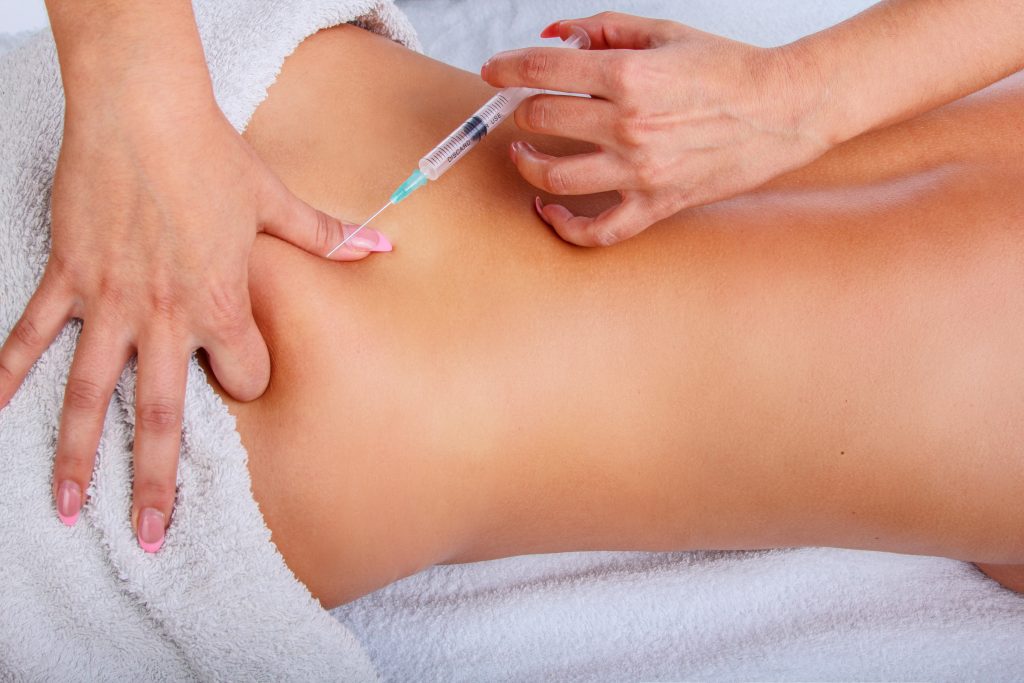
SI Joint Injection Treatment

Benefits of SI Joint Dysfunction Treatment

Eliminates the Inflammatory Pain Cycle

The SI joint is richly innervated by branches of the posterior sacral nerve network. When the joint is inflamed from trauma, arthritis, pregnancy-related ligament laxity, or post-fusion mechanical overload, these nerves sustain a state of central sensitization that amplifies pain signals far beyond the joint itself. Targeted intra-articular injections interrupt this sensitization cycle at its source, providing relief that oral anti-inflammatories simply cannot replicate because they cannot reach adequate concentration within the joint space.

Addresses a Condition Invisible on Standard Imaging

The majority of patients with SI joint dysfunction have been told their MRI looks normal or shows only mild degenerative changes. This is because the SI joint's pathology is often functional rather than structural, rooted in abnormal motion, joint irritation, and ligamentous stress rather than in bone or cartilage damage visible on imaging. Our clinical diagnostic approach identifies what imaging misses, giving patients who have been dismissed or misdiagnosed a pathway to accurate treatment.

Restores Pelvic Stability for Spinal Health

The SI joint is not an isolated structure. It is the keystone of the pelvic ring and the load transfer platform between the lumbar spine and the hip. When SI joint dysfunction is left untreated, the body compensates through altered gait mechanics, asymmetrical muscle recruitment, and protective movement patterns in ways that progressively stress the lumbar spine, hip, and contralateral SI joint. Treating the dysfunctional joint early stabilizes the entire pelvic kinetic chain.

Provides Targeted Relief After Failed Back Treatments

A meaningful percentage of patients diagnosed and treated for lumbar disc disease, facet syndrome, or hip osteoarthritis who have not improved with those treatments are actually suffering from unrecognized SI joint dysfunction. Our evaluation identifies these patients and redirects care appropriately, often producing significant relief in individuals who had given up on finding an effective solution.

Conditions We Treat

Sacroiliac Joint Arthritis and Degeneration
Like any synovial joint, the SI joint is susceptible to osteoarthritis, progressive cartilage loss, joint space narrowing, and periarticular bone changes that generate chronic mechanical pain. SI joint arthritis is more common in older adults and in patients with longstanding altered gait mechanics that have asymmetrically loaded the joint over decades. Intra-articular corticosteroid and hyaluronic acid injections reduce inflammation, improve joint lubrication, and restore pain-free load transfer through the pelvis.

Pregnancy-Related and Postpartum SI Joint Pain
Relaxin, the hormone that loosens pelvic ligaments to prepare the birth canal for delivery also destabilizes the SI joint by reducing the ligamentous tension that normally constrains its motion. The result is a hypermobile, pain-generating joint that can persist well beyond delivery as ligamentous laxity takes months to fully resolve. Periarticular prolotherapy and PRP injections stimulate ligamentous repair and restore joint stability without the systemic hormonal risks associated with other treatments.

Post-Lumbar Fusion SI Joint Syndrome 
Lumbar spinal fusion is the single strongest risk factor for developing secondary SI joint dysfunction. When spinal fusion eliminates motion at one or more lumbar segments, the mechanical forces that those segments previously absorbed are redistributed and the SI joint, positioned immediately below the fused construct, bears a disproportionate share of that redirected load. Studies consistently show that a significant percentage of patients with persistent pain after lumbar fusion have developed new SI joint pathology as a consequence. Our targeted injections address this post-fusion pain generator directly.

Inflammatory Sacroiliitis 
Inflammatory arthropathies including ankylosing spondylitis, psoriatic arthritis, and reactive arthritis characteristically target the SI joints early in their disease course producing bilateral or alternating buttock pain, morning stiffness lasting more than 30 minutes, and improvement with movement rather than rest. Our physicians coordinate with rheumatology when systemic inflammatory disease is suspected while providing interventional joint treatment that reduces acute inflammation and improves function during flares.

SI Joint Hypermobility from Ligament Laxity 
Excessive SI joint motion caused by constitutional ligament laxity, prior pelvic trauma, or the hormonal changes of pregnancy creates a joint that is painful because it cannot stabilize under load. Each step generates micro-motion at the joint surface that irritates the capsule and surrounding nerves. Prolotherapy and platelet-rich plasma injections target the posterior sacroiliac ligaments and the primary restraints of the joint stimulating collagen production and progressive ligamentous tightening that restores stability without immobilization.

Sacroiliac Joint Pain After Hip Replacement
Total hip replacement changes the biomechanics of the entire lower extremity kinetic chain. Altered leg length, hip offset, and acetabular positioning after hip arthroplasty frequently produce compensatory pelvic tilt and SI joint loading patterns that generate new or worsening SI joint pain. Targeted SI joint injections address the resulting joint irritation while rehabilitation corrects the compensatory movement faults that the hip replacement introduced.

Pelvic Girdle Pain with SI Joint Involvement
Pelvic girdle pain is a broader syndrome involving pain across the posterior pelvis, pubic symphysis, and hip, and it frequently has a primary SI joint component that drives the overall symptom picture. When clinical evaluation confirms SI joint involvement as the dominant pain generator within this broader syndrome, targeted intra-articular treatment produces more specific and durable relief than generic pelvic pain management approaches.

SI Joint Dysfunction from Traumatic Injury
High-energy trauma such as falls onto the buttocks, sports injuries, or motor vehicle accidents can disrupt the normal biomechanics of the sacroiliac joint by overstressing or partially tearing its stabilizing ligaments. This can result in acute or chronic SI joint instability, localized pelvic pain, and referred pain into the lower back or legs due to abnormal joint motion. Treatment typically involves image-guided SI joint injections to reduce inflammation in the acute phase, followed by regenerative therapies such as prolotherapy or PRP when ligament damage contributes to persistent instability.

What to Expect During Your Appointment

Before Your Treatment

Preparation Guidelines• Discontinue blood-thinning medications including aspirin, ibuprofen, naproxen, and prescription anticoagulants for the number of days specified by your physician before your procedure.
• Arrange for a responsible adult to drive you home. You will not be cleared to drive yourself following an injection procedure involving local anesthesia.
• Wear loose, comfortable clothing that allows easy access to the lower back, buttock, and posterior pelvis. Avoid tight waistbands, belts, or clothing with metal hardware near the treatment area.
• Bring any relevant imaging including pelvic X-rays, MRI of the lumbar spine or pelvis, and bone scans if available as well as records of any prior lumbar spine surgery or hip replacement.
• Provide a complete medication list including all prescription medications, over-the-counter drugs, supplements, and herbal products.
• Inform your physician of any known allergies to contrast dye, corticosteroids, or local anesthetics before the day of your procedure.
• If you are pregnant or suspect you may be pregnant, notify your physician immediately, as fluoroscopic guidance involves radiation exposure.

Initial ConsultationYour evaluation begins with a one-on-one assessment by one of our specialists. We take a thorough history focused on the precise location of your pain, its behavior with sitting, standing, walking, transitional movements such as rolling in bed or rising from a chair, and any history of pregnancy, pelvic trauma, or prior spinal surgery that may have predisposed the SI joint to dysfunction. We perform a structured battery of provocative SI joint examination tests including the FABER, POSTERIOR PELVIC PAIN PROVOCATION, Gaenslen's, and compression and distraction tests using the clinical rule that three or more positive provocation tests strongly correlates with SI joint as the pain source. We review your imaging to assess joint morphology and rule out alternative diagnoses. We then discuss the role of diagnostic injection in confirming the diagnosis before we commit to any therapeutic intervention.

During the Procedure

Comfort and Preparation• You are positioned face down on the procedure table with support placed to maintain comfort throughout the procedure.
• The posterior pelvis is thoroughly cleaned and sterilized to ensure a safe, controlled treatment environment.
• A local anesthetic is applied to the skin and subcutaneous tissue before deeper instrumentation to minimize discomfort.

Targeted Treatment• Your physician uses real-time fluoroscopic X-ray imaging to precisely access the sacroiliac (SI) joint, which cannot be reliably reached by palpation alone due to its depth and surrounding tissue.
• Contrast dye is injected first to confirm correct intra-articular placement before delivering the therapeutic agent into the joint or surrounding ligament structures.
• Procedures typically take 15 to 30 minutes, followed by a brief monitoring period before discharge home.

After Your Treatment

Immediate Recovery• Rest at home for the remainder of the day. Avoid prolonged walking, stair climbing, or any activity that loads the pelvis asymmetrically on the day of your procedure.
• A temporary increase in buttock or low back pain within the first 24 to 48 hours following injection is a recognized post-procedure response and should resolve as the therapeutic medication takes effect.
• Apply a cold pack to the posterior pelvis for 15 to 20 minutes every two to three hours to manage injection site soreness.
• Do not drive on the day of your procedure if sedation or significant local anesthesia was used.

Patient applying ice pack after pain treatment as part of immediate recovery protocol

First 72 Hours• Avoid high-impact activity, heavy lifting, prolonged asymmetrical postures, and exercises that create shear force across the pelvis such as single-leg stance, lunges, and stair climbing during the first 72 hours.
• Do not submerge the injection site in pools, hot tubs, or baths for the first 48 hours.
• Contact our clinic immediately if you develop fever, rapidly worsening pain, new neurological symptoms in the legs, or any signs of infection at the injection site.

Patient resting at home during the first 72 hours after a pain management procedure

Long-Term Recovery• Begin your prescribed physical therapy program as directed. SI joint rehabilitation focuses on gluteus medius and maximus activation, pelvic floor coordination, transversus abdominis strengthening, and motor control training that restores the active stabilization system around the joint because without muscle-generated joint compression, the SI joint cannot remain stable under load regardless of how well the injection worked.
• Resume daily activities gradually over the first one to two weeks according to your physician's guidance.
• Corticosteroid injections typically reach full effect within three to seven days. Regenerative treatments such as prolotherapy and PRP stimulate progressive tissue repair over four to twelve weeks with ligamentous strengthening continuing to develop for up to six months following the final injection in a series.
• Return for all scheduled follow-up visits. SI joint dysfunction has a tendency to recur if the rehabilitative component of care is incomplete, and your physician needs to monitor your stability, strength, and movement patterns over time.
• Adopt any postural, ergonomic, or activity modifications recommended by your care team including appropriate use of an SI joint belt during high-load activities if indicated to protect the joint during the recovery and strengthening period.

Patient attending follow-up recovery session at a Southern California pain clinic for long-term pain relief

Why Choose Integrative Sports & Spine?

Specialists Who Diagnose What Others Miss 
The SI joint is responsible for an estimated 15 to 30 percent of chronic low back pain cases yet it remains one of the most frequently overlooked diagnoses in spinal medicine. Our physicians have specific training in SI joint clinical assessment and understand that a normal lumbar MRI in a patient with posterior pelvic pain is not the end of the diagnostic conversation, it is the beginning of one that should focus on the SI joint.

Fluoroscopic Confirmation on Every Intra-Articular Injection 
The SI joint is not accessible without imaging guidance. Its irregular bony architecture and deep posterior location mean that blind injection without fluoroscopic visualization and contrast confirmation frequently misses the joint entirely and delivers medication to surrounding soft tissue. We use real-time fluoroscopy with contrast verification on every SI joint injection to ensure the therapeutic agent is placed precisely within the joint space.

Comprehensive Regenerative Options for Ligamentous Instability 
When hypermobility and ligament laxity are the primary drivers of SI joint dysfunction as is common in postpartum patients and those with constitutional hypermobility corticosteroids alone are insufficient. Our regenerative options including prolotherapy and PRP injections target the posterior sacroiliac ligaments directly, stimulating the collagen repair and tightening that restores passive joint stability in a way that anti-inflammatory treatment cannot achieve.

Pelvic and Spinal Integration in Every Care Plan
The SI joint does not dysfunction in isolation but it is embedded in a kinetic chain that includes the lumbar spine above, the hip below, and the pelvic floor and gluteal musculature surrounding it. Our care plans address the entire system: the joint itself through targeted injection, the stabilizing musculature through prescribed rehabilitation, and the biomechanical contributors through postural and movement correction. This integrated approach produces outcomes that isolated joint treatment cannot.

Advanced pain management equipment used by specialists at our Southern California clinics in Riverside, Alhambra, Long Beach, and City of Industry

Frequently Asked Questions

How do I know if my lower back pain is coming from my SI joint and not my spine or hip?
FAQ Header Icon

SI joint pain is often suspected when discomfort is located just below the lower back on one or both sides of the pelvis, near the dimples above the buttocks. It may worsen with standing, walking, stair climbing, or transitioning from sitting to standing, and is often reproduced with specific clinical provocation tests rather than spinal movement alone. Diagnostic SI joint injections are sometimes used to confirm whether the joint is the primary pain source.

What does SI joint pain actually feel like and where does it radiate?
FAQ Header Icon

SI joint pain is typically described as a deep, aching pain in the lower back, buttock, or upper pelvic region. It may radiate into the groin, outer hip, or down the back of the thigh, but usually does not follow a clear nerve root pattern like sciatica. Symptoms often feel mechanical, meaning they worsen with movement and improve with rest or positional changes.

Is SI joint dysfunction related to my prior back surgery?
FAQ Header Icon

Yes, SI joint dysfunction can develop or worsen after lumbar spine surgery, particularly fusion procedures. When spinal segments are fused, the SI joints may take on increased mechanical stress to compensate for reduced motion above, which can lead to irritation, inflammation, and instability over time.

How long do SI joint injections last?
FAQ Header Icon

The duration of relief varies depending on the severity of inflammation and the underlying cause of dysfunction. Corticosteroid injections may provide relief ranging from several weeks to a few months, while regenerative options like PRP may offer longer-term improvement in select cases. Some patients require repeat injections if symptoms recur.

What is prolotherapy and how does it help SI joint instability?
FAQ Header Icon

Prolotherapy is an injection-based treatment that uses an irritant solution, often dextrose-based, to stimulate the body’s natural healing response in ligaments and connective tissues. In SI joint dysfunction, it is used to strengthen weakened ligaments around the joint, improving stability and reducing abnormal motion that contributes to pain.

Can SI joint dysfunction resolve permanently or will it always come back?
FAQ Header Icon

SI joint dysfunction can improve significantly and, in some cases, resolve long-term when underlying mechanical causes are addressed. However, recurrence is possible if contributing factors such as poor biomechanics, prior fusion surgery, leg length imbalance, or repetitive strain are not corrected. A combination of targeted treatment and stabilization-focused rehabilitation typically offers the most durable results.

Logos of major insurance providers accepted at our pain management clinics

Insurance Coverage

At Integrative Sports & Spine, we partner with most major insurance providers to make sacroiliac joint dysfunction treatment financially accessible. Our insurance specialists verify your coverage before your first appointment and provide a transparent breakdown of your benefits and any out-of-pocket costs in advance.
We Accept
• Medicare
• PPO Plans
• Self-Pay Options Available
Financial Policy
• Insurance verification completed prior to appointment
• Co-payments and deductibles due at time of service
• Self-pay options available with transparent pricing
• Flexible payment plans for eligible treatments

Our Patients Love Us

Renee D., 34

 Treated for postpartum SI joint dysfunction

 "After my second pregnancy I had constant one-sided low back and buttock pain that nobody could explain. Every scan came back normal. This team figured out it was my SI joint, confirmed it with an injection, and got me into a treatment plan that actually worked. I wish I had found them sooner."

Five out of five star rating icon representing the highest possible satisfaction score
Frank L., 63 

Treated for SI joint syndrome following lumbar fusion

 "I had a two-level lumbar fusion two years ago and the pain never fully went away. Turns out my SI joint had been taking the load the whole time. The injections here addressed the real problem and I finally got the relief I thought the surgery would give me." 

Five out of five star rating icon representing the highest possible satisfaction score
Christine P., 51 

Treated for SI joint arthritis with referred leg pain

"I had been treated for sciatica for over a year with no improvement. When this team evaluated me and identified my SI joint as the actual source, everything finally made sense. Three injections and a solid rehab program later, the leg pain is gone."

Five out of five star rating icon representing the highest possible satisfaction score
Five out of five star rating shown from patient reviews, reflecting consistently excellent satisfaction and positive outcomes

The Right Diagnosis Changes Everything

Sacroiliac joint dysfunction is not a vague catch-all but is a specific, diagnosable, and treatable condition that responds exceptionally well to targeted care when it is correctly identified. Our SI joint specialists at Integrative Sports & Spine are equipped to find what other evaluations have missed and deliver the precise treatment your pelvis and spine need to function without pain.

Call (833) 476-7377 or click the appointment button below to schedule a consultation at any of our four Southern California pain clinic locations.

Related Services

Platelet-Rich Plasma Therapy 

A regenerative injection treatment that concentrates your body's own growth factors and delivers them directly to the posterior sacroiliac ligaments stimulating collagen repair and restoring passive joint stability in patients whose SI joint dysfunction is driven by ligamentous laxity rather than inflammation alone.

View More
Lower Back Pain Treatment 

Comprehensive non-surgical evaluation and management for all causes of lumbar spine and posterior pelvic pain including the facet joint disease, lumbar disc pathology, and muscular dysfunction that frequently coexist with or mimic sacroiliac joint dysfunction.

View More
Spinal Stenosis Treatment 

Targeted interventional care for patients whose lumbar canal narrowing coexists with SI joint dysfunction addressing both the spinal and pelvic components of their pain through a coordinated, level-specific treatment plan.

View More
Location icon encouraging patients to contact our pain management clinics for more information
Contact Us

(833) 476-7377

Clock icon displaying clinic hours for all Southern California pain management locations
Open Hours

Mon - Fri: 9:00am to 5:00pm