Neuropathy can cause burning pain, numbness, tingling, balance problems, and hypersensitivity that interfere with sleep, mobility, and daily activities. Because neuropathy has many potential causes, effective treatment requires identifying the source of nerve damage and tailoring care to each patient's specific symptoms. At Integrative Sports & Spine, our physicians provide personalized treatment plans designed to manage symptoms, improve function, and enhance quality of life.
.avif)
Treatment Time
Neuropathy care sessions are typically completed within a 2-to-3-hour visit depending on the treatment plan.
.avif)
Recovery Time
Minimal downtime. Most patients return to normal activities within 1-3 days.
.avif)
Locations Available
Available at all ISS clinics - Long Beach, Alhambra, Riverside, and City of Industry.
The peripheral nervous system is the vast communication network that carries motor commands from the brain and spinal cord to muscles and returns sensory information from the body back to the brain. It includes every nerve outside the brain and spinal cord, from the large sciatic nerve in the leg to the tiny sensory fibers that detect light touch at the fingertips. Neuropathy occurs when these peripheral nerves are damaged, compressed, inflamed, or deprived of adequate blood supply. Depending on which nerve fibers are affected, a patient may experience sensory symptoms such as numbness, tingling, burning, and pain, motor symptoms such as muscle weakness and coordination problems, or autonomic symptoms such as dizziness on standing and digestive difficulties. Peripheral neuropathy affects an estimated 20 million Americans and becomes increasingly common with age. Its causes are broad, ranging from diabetes and metabolic disorders to autoimmune conditions, nutritional deficiencies, toxic exposures, and mechanical compression. In some cases no clear cause can be identified, which is referred to as idiopathic neuropathy. Because neuropathy has so many possible origins and so many different patterns of presentation, no single treatment protocol applies to every patient. The foundation of effective neuropathy care is a thorough diagnostic evaluation that identifies the cause, characterizes the distribution and severity of nerve involvement, and informs a treatment plan that addresses both the source of nerve damage and the symptoms it produces.
At Integrative Sports & Spine, our physicians combine a detailed clinical evaluation with review of laboratory findings, electrodiagnostic studies, and imaging where appropriate to build a complete picture of each patient's neuropathy. Treatment plans are individualized and may include targeted nerve blocks for pain management, regenerative therapies to support nerve healing, physical therapy focused on balance, strengthening, and sensory retraining, nutritional and metabolic optimization guidance, and coordinated care with the patient's primary care and specialty providers to address systemic contributors. Every plan is calibrated to the cause, distribution, and severity of nerve involvement.

Many patients arrive having been offered only medication to dull their symptoms without any investigation into why their nerves are being damaged. Our physicians focus first on identifying and addressing the underlying cause of neuropathy, whether it is metabolic, compressive, nutritional, or inflammatory, because targeting the source is the only pathway to meaningful long-term improvement.
Diabetic neuropathy, chemotherapy-induced neuropathy, compression neuropathy, and idiopathic neuropathy each require a different approach. We do not apply a uniform protocol regardless of diagnosis. Every plan at our clinic is built around the individual patient's cause, symptom pattern, functional limitations, and treatment goals.
The goal of neuropathy treatment is not only to reduce pain scores on a scale but to restore what neuropathy has taken from daily life: the ability to walk confidently, sleep through the night, button a shirt, feel the ground beneath your feet, and engage fully in activities that matter to you. Our rehabilitation programs are built around these functional outcomes.
Peripheral neuropathy in the lower extremities significantly increases the risk of falls and the injuries that follow. Sensory retraining, balance rehabilitation, and lower extremity strengthening are core components of our neuropathy programs, particularly for older patients and those with diabetic peripheral neuropathy.
Diabetic Peripheral Neuropathy Chronically elevated blood sugar damages the small blood vessels that supply peripheral nerves, leading to progressive sensory loss, burning pain, and reduced protective sensation, most commonly in the feet and lower legs. Our treatment plans for diabetic neuropathy address pain management, sensory retraining, fall prevention, and coordination with the patient's diabetes care team to support metabolic control.
Compressive and Entrapment Neuropathy
When a peripheral nerve is mechanically compressed at a specific site, such as the carpal tunnel, cubital tunnel, or tarsal tunnel, it produces localized and predictable symptoms in the nerve's territory. Targeted nerve blocks, regenerative injections, and decompressive physical therapy can relieve compressive neuropathy without surgery in many cases.
Chemotherapy-Induced Peripheral Neuropathy (CIPN)
Certain chemotherapy agents are toxic to peripheral nerves and produce symptoms including burning pain, numbness, and hypersensitivity in the hands and feet. CIPN can persist long after chemotherapy has ended. Our treatment approach for these patients focuses on symptom management, nerve support, and rehabilitation to restore sensory function and quality of life.
Nutritional Deficiency Neuropathy
Deficiencies in vitamin B12, B6, B1, folate, and vitamin E are recognized causes of peripheral neuropathy. These deficiencies can arise from dietary inadequacy, malabsorption conditions, bariatric surgery, or medication effects, including metformin use in diabetic patients. Correcting the underlying deficiency alongside targeted nerve support can halt progression and support nerve recovery.
Idiopathic Peripheral Neuropathy
In a significant proportion of neuropathy patients, a thorough evaluation does not identify a definitive underlying cause. Idiopathic neuropathy is not a dead end. Symptom management with targeted nerve blocks, physical therapy, and close monitoring can still produce meaningful functional improvement and a better quality of daily life.
Post-Traumatic and Post-Surgical Neuropathy
Nerve injuries from accidents, fractures, or surgical complications can leave patients with persistent burning pain, hypersensitivity, or numbness in the distribution of the affected nerve. Interventional procedures including nerve blocks and regenerative therapies, combined with nerve-specific rehabilitation, support recovery and reduce the risk of symptoms becoming permanent.
Alcohol-Related Peripheral Neuropathy
Long-term excessive alcohol consumption can damage peripheral nerves directly while also contributing to nutritional deficiencies that worsen nerve health. Patients often experience burning pain, numbness, weakness, and balance difficulties. Treatment focuses on symptom management, nerve support, rehabilitation, and addressing contributing lifestyle factors.
Autoimmune and Inflammatory Neuropathy
Autoimmune conditions such as rheumatoid arthritis, lupus, Sjögren’s syndrome, and chronic inflammatory neuropathies can cause the immune system to attack peripheral nerves. These conditions may produce pain, numbness, weakness, and progressive functional limitations. Our physicians work closely with other specialists to manage inflammation, protect nerve function, and improve quality of life through comprehensive treatment strategies.
Preparation Guidelines• Bring all relevant laboratory results, including recent blood glucose, HbA1c, B12, thyroid, and any prior nerve conduction or electromyography (EMG) study results.
• Bring a complete list of all medications and supplements, including any vitamins, herbal products, and over-the-counter medications you are taking.
• Wear comfortable clothing that allows examination of your feet, lower legs, and hands.
• Be prepared to describe the character of your symptoms in detail: burning, stabbing, electric, aching, numb, or a combination, and whether symptoms are worse at night, with activity, or at rest.
• Note any recent changes in balance, coordination, or your confidence while walking on uneven surfaces.
• Bring any existing MRI or imaging studies of the spine or extremities if nerve compression has been considered as a contributing factor.
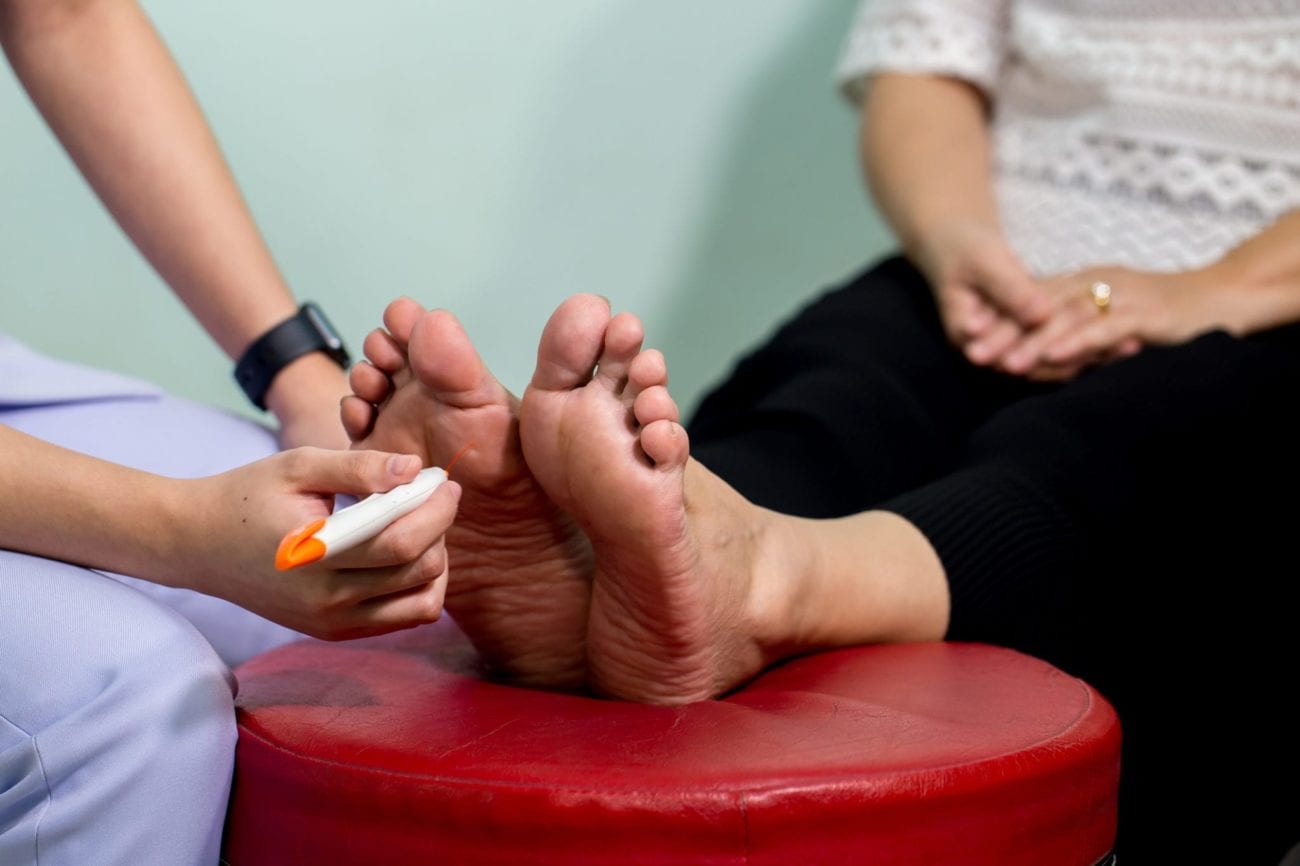
Initial ConsultationYour first appointment is a comprehensive evaluation designed to map the full picture of your neuropathy. Our physicians conduct a detailed neurological examination assessing sensation, proprioception, reflexes, muscle strength, and balance. Your symptom history is reviewed thoroughly, including onset, progression, distribution, and all prior diagnostic workup and treatments. Existing laboratory findings and imaging are reviewed, and additional testing is ordered where gaps remain. You leave with a clear explanation of what is driving your neuropathy, which structures are involved, and a prioritized, personalized treatment plan.
Nerve Block Procedures• The treatment area is cleaned and numbed with a local anesthetic before any injection procedure.
• Image-guided technique is used to ensure precise delivery of medication to the target nerve or nerve plexus.
• Procedures typically take 20 to 30 minutes. A brief monitoring period follows before you are cleared to go home.
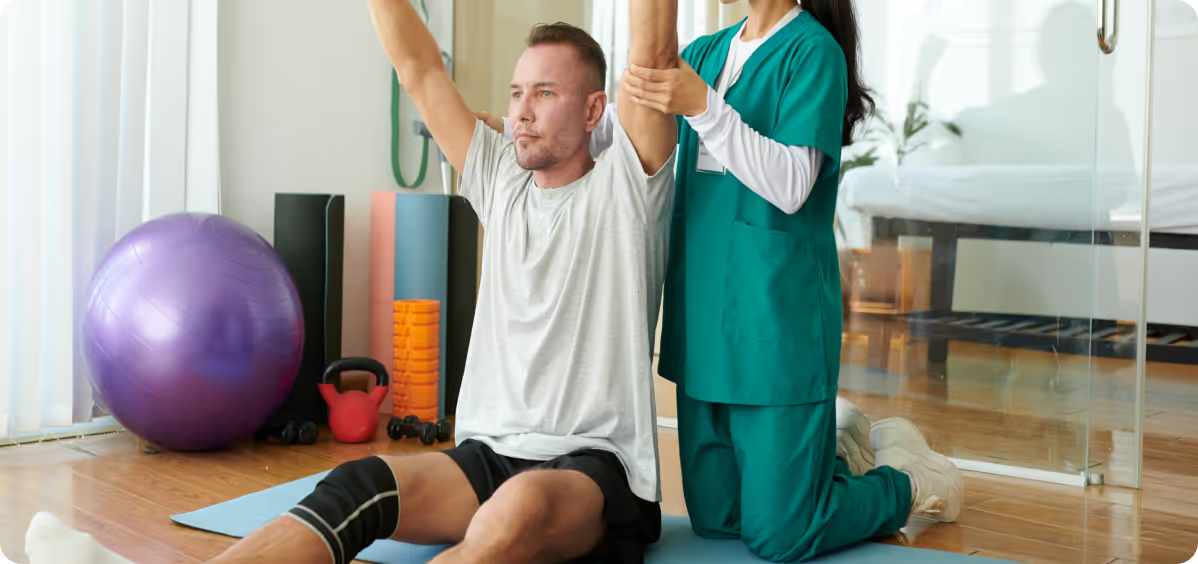
Rehabilitation Sessions• Physical therapy sessions for neuropathy focus on balance training, sensory retraining, lower extremity strengthening, and gait work.
• Sessions are paced to your current functional level and adjusted as strength, balance, and symptom control improve.
Immediate Recovery• Most patients return home the same day following injection-based neuropathy treatments.
• Temporary numbness, heaviness, or mild weakness in the treated area is common and typically resolves within several hours.
• Avoid driving or operating heavy machinery until normal sensation and motor function have fully returned.
• Follow any post-procedure instructions provided by your physician, including activity restrictions and medication guidance.
• Contact our office promptly if you experience unexpected increases in pain, weakness, or neurological symptoms.
.avif)
First 72 Hours• Mild soreness at the injection site or temporary symptom fluctuations may occur as the treated nerves respond to the procedure.
• Many patients begin noticing early symptom improvement during this period, though full benefits may take longer to develop.
• Continue light activity as tolerated, but avoid strenuous exercise or activities that aggravate your symptoms unless otherwise instructed.
• Stay consistent with any prescribed medications, stretching, or rehabilitation recommendations.
• Monitor changes in sensation, balance, and pain levels and report significant concerns to your care team.

Long-Term Recovery• Neuropathy treatment is a progressive process, and meaningful improvement often occurs gradually over weeks to months.
• Regular follow-up visits allow your physician to evaluate nerve function, track progress, and adjust your treatment plan as needed.
• Physical therapy and home exercise programs play a critical role in improving balance, mobility, strength, and sensory function.
• Patients with underlying conditions such as diabetes achieve the best outcomes when neuropathy treatment is coordinated with their primary care physician and other specialists.
• Ongoing adherence to rehabilitation, lifestyle modifications, and medical management helps maximize nerve health and support long-term symptom relief.

Comprehensive Diagnostic Approach
Neuropathy treatment without diagnosis is guesswork. Our physicians take the time to identify the underlying cause and distribution of nerve involvement before recommending any intervention. This thoroughness ensures that treatment is addressing the actual driver of nerve damage, not just masking symptoms with medication.
Interventional Tools That Reduce the Peripheral Inputs Driving Sensitization
When neuropathic pain is severe or significantly limiting function, targeted nerve blocks provide a level of relief that oral medications alone often cannot match. Our physicians have the procedural expertise to deliver image-guided peripheral nerve blocks safely and precisely, providing a pain management option that reduces medication reliance and improves quality of life.
Rehabilitation That Addresses the Functional Impact
The functional consequences of neuropathy, including balance loss, gait instability, weakness, and reduced sensory feedback, require a rehabilitation approach that goes well beyond general exercise. Our physical therapy programs for neuropathy patients are specifically designed to address these deficits with sensory retraining, proprioceptive training, and progressive strengthening targeted at the affected nerve distributions.
Four Convenient Southern California Locations
With clinics in Long Beach, Alhambra, Riverside, and City of Industry, receiving expert neuropathy care close to home is accessible. Our teams communicate across locations to ensure that your care is consistent and coordinated wherever you are seen.


Radiculopathy refers specifically to compression or irritation of a spinal nerve root as it exits the spine, producing symptoms that follow a predictable nerve root distribution. Neuropathy is a broader term describing damage or dysfunction in peripheral nerves anywhere outside the spinal cord. Radiculopathy is one cause of nerve-related symptoms, but neuropathy can arise from systemic conditions, metabolic disorders, toxins, nutritional deficiencies, and many other sources entirely unrelated to the spine.

Whether neuropathy can be reversed depends significantly on the underlying cause, the type of nerve fibers affected, and how long damage has been occurring. Small fiber neuropathies associated with metabolic or nutritional causes have the best potential for recovery when the underlying cause is corrected promptly. Large fiber neuropathies with established axonal loss are more likely to stabilize than fully reverse. In many cases the most achievable and meaningful goal is halting progression, reducing symptoms, and restoring function rather than complete reversal of all nerve damage.

Diagnosis begins with a thorough clinical history and neurological examination. Laboratory testing to identify metabolic, nutritional, inflammatory, and toxic causes is standard. Nerve conduction studies and electromyography (EMG) are the most informative electrodiagnostic tests, as they quantify the degree and pattern of nerve damage and help distinguish between different types of neuropathy. Skin punch biopsy for small fiber neuropathy and MRI imaging for structural nerve compression may also be used where indicated.

The treatment plan for diabetic neuropathy centers on metabolic optimization, pain management, and fall prevention. Compressive neuropathy is treated with interventions directed at the specific entrapment site. Nutritional deficiency neuropathy is addressed by correcting the deficiency while supporting nerve recovery. Chemotherapy-induced neuropathy requires a different approach focused on symptom management and sensory rehabilitation. Each plan is built around the specific cause and symptom pattern rather than a one-size-fits-all protocol.

Most patients can expect a meaningful reduction in pain intensity, improved sleep quality, better balance and walking confidence, and greater independence in daily activities. The degree of sensory recovery depends on the type and duration of nerve damage. Patients who begin treatment early, when nerve damage is still mild to moderate, generally achieve the best outcomes. Even patients with more advanced neuropathy typically see worthwhile improvements in pain control, fall risk, and overall quality of life with a structured treatment program.

The timeline for improvement varies significantly based on the cause and severity of neuropathy. Nerve block procedures can provide relief within days for patients with pain-dominant presentations. Physical therapy outcomes for balance and functional improvement typically emerge over six to twelve weeks of consistent participation. Improvements in sensory symptoms from correcting nutritional deficiencies or metabolic factors may take several months as nerves slowly recover. Your physician will outline realistic timelines specific to your diagnosis at your initial consultation.
.png)
Treated for diabetic peripheral neuropathy with bilateral foot pain and balance loss
"The burning in my feet had gotten so bad that I could not sleep and was afraid to walk without holding onto something. I had been told there was nothing to do except take more medication. The team here took a completely different approach. They reviewed my blood work, adjusted my care plan in coordination with my endocrinologist, started me on a balance and strengthening program, and used nerve blocks to bring the burning down to a manageable level. I am sleeping again, walking confidently, and feel like I have some control over this condition for the first time in years."

Treated for chemotherapy-induced peripheral neuropathy
"I finished chemotherapy two years ago and was left with constant tingling and numbness in my hands and feet. It was affecting my ability to work and do the things I love. The physicians here explained exactly what was happening to my nerves and built a rehabilitation program around my specific deficits. The tingling has significantly decreased, my grip strength is back, and I feel like I am finally moving forward in my recovery rather than just waiting for things to improve on their own."

Treated for idiopathic peripheral neuropathy with lower extremity numbness and gait instability
"My neurologist told me my neuropathy was idiopathic and there was not much to offer beyond medication. I decided to seek another opinion here. Even without a definitive cause, the team put together a structured program that included targeted nerve blocks for my pain and a balance rehabilitation program. My confidence walking has improved enormously and the nerve pain is much more controlled. Having a team that treats the whole patient rather than just the diagnosis has made an enormous difference."


Peripheral neuropathy is a condition that too many patients are told simply has to be lived with. We believe that every neuropathy patient deserves a thorough evaluation, an honest conversation about what treatment can achieve, and a personalized plan built around their specific cause, symptoms, and goals.Whether your neuropathy is in its early stages or has been progressing for years, our team at Integrative Sports & Spine will work with you to reduce pain, restore function, and improve your quality of life using the most effective tools available.
Call (833) 476-7377 or click the appointment button below to schedule a consultation at any of our four Southern California pain clinic locations.
When nerve symptoms originate from spinal nerve root compression rather than peripheral nerve damage, our dedicated radiculopathy treatment program addresses the structural cause of nerve root irritation with targeted spinal injections and nerve-specific rehabilitation.
View MoreRegenerative PRP therapy harnesses the body's own healing factors to support nerve tissue recovery. For patients with compressive or post-traumatic neuropathy, PRP injections around the affected nerve may support structural healing alongside symptom management.
View MoreComprehensive interventional treatment for lower back pain that often overlaps with neuropathy symptoms. Targeted, image-guided therapies help reduce nerve-related pain drivers and improve function.
View More