Relieve shoulder pain from rotator cuff injuries, tendonitis, arthritis, or overuse with personalized, non-surgical care from Integrative Sports & Spine. Our Southern California pain clinics, including Long Beach, Riverside, Alhambra, and City of Industry, focus on restoring movement and improving function.
.avif)
Most shoulder pain treatments are completed within 30 minutes with minimal disruption.
.avif)
Most patients return to light daily activities within 24 to 72 hours following treatment.
.avif)
Location Available
Shoulder Pain Treatment is available at our Southern California clinics - Long Beach, Alhambra, Riverside, and City of Industry.
The shoulder is an incredibly flexible joint, capable of a wide range of motion thanks to its complex network of bones, muscles, tendons, ligaments, and nerves. This mobility makes it essential for daily activities but also makes it vulnerable to injury, overuse, and chronic wear.
Pain in the shoulder can come from many sources, including tendon or ligament damage, rotator cuff injuries, bursitis, nerve irritation, or even pain referred from the neck. At Integrative Sports & Spine, we focus on identifying the exact cause of your discomfort through a detailed evaluation that includes physical examination, neurological assessment, and imaging when needed.
Once we understand the source of your pain, we develop a personalized treatment plan. This may include injections, such as corticosteroids or platelet-rich plasma (PRP), trigger point therapy, nerve blocks, and guided physical therapy. Our goal is to reduce pain, restore shoulder mobility, and help you regain strength and function safely.

The shoulder’s complexity makes accurate diagnosis essential. Our thorough evaluations identify the exact structures causing pain, ensuring every treatment addresses the root cause effectively.
Most shoulder conditions including rotator cuff injuries, bursitis, osteoarthritis, and frozen shoulder respond well to non-surgical care. We focus on treatments that relieve pain and restore function while avoiding unnecessary surgery whenever possible.
Beyond symptom relief, our regenerative therapies, including platelet-rich plasma, promote tissue healing. Combined with guided rehabilitation, these treatments restore strength, mobility, and overhead function for daily life and activity.
Minimally invasive procedures require little downtime, allowing a rapid return to daily activities while also preventing long-term joint degeneration and reducing the risk of chronic pain or future surgery.
Rotator Cuff Tendinopathy
Degeneration or inflammation of the rotator cuff tendons is a leading cause of shoulder pain, especially in athletes and active adults. Targeted corticosteroid or PRP injections reduce inflammation, support tendon healing, and restore shoulder function.
Shoulder Bursitis
Inflammation of the subacromial or subdeltoid bursa produces sharp, localized pain and restricts overhead movement. Precisely guided injections rapidly decrease swelling and discomfort, allowing patients to regain mobility.
Frozen Shoulder (Adhesive Capsulitis)
This condition leads to stiffness and restricted range of motion. Shoulder injections help reduce inflammation, improve tissue glide, and facilitate progressive rehabilitation for gradual restoration of motion.
Labral Tears
Injuries to the shoulder labrum, often from trauma or repetitive overhead activity, can produce pain, clicking, or instability. Injection therapy combined with physical therapy can reduce pain, improve function, and sometimes delay or avoid surgical repair.
Osteoarthritis of the Shoulder
Degenerative changes in the glenohumeral joint result in persistent pain and limited range of motion. Corticosteroid injections, hyaluronic acid, or PRP therapy can provide significant relief while supporting joint health.
Post-Surgical Shoulder Pain
Persistent pain after rotator cuff repair, labral repair, or shoulder replacement may respond to targeted injections and regenerative therapies, reducing inflammation and promoting functional recovery without additional surgery.
Shoulder Impingement Syndrome
Compression of the rotator cuff tendons and bursa beneath the acromion causes pain with overhead activity. Injections can reduce inflammation, relieve pain, and allow patients to progress with rehabilitation exercises safely.
Calcific Tendinitis
Calcium deposits in the rotator cuff tendons lead to intense pain and limited motion. Corticosteroid or regenerative injections reduce inflammation, improve mobility, and support natural healing processes.
Preparation Guidelines• Avoid applying heat or ice to the shoulder before your appointment.
• Wear a loose-fitting top or a sleeveless shirt that provides easy access to your shoulder and upper arm.
• Bring a complete list of all medications, supplements, and blood thinners you are currently taking.
• Notify your physician of any known allergies, particularly to local anesthetics, corticosteroids, or contrast dye.
• Bring any existing MRI, ultrasound, or X-ray imaging of the shoulder if available.
• Arrange transportation home if your procedure involves sedation.
Initial ConsultationYour care begins with a comprehensive one-on-one evaluation by one of our physicians. We take a full medical history, perform a detailed physical examination of the shoulder including provocative testing, assess your cervical spine and upper extremity neurologically, and review any existing imaging. We take the time to understand your symptoms, functional limitations, occupational demands, and personal goals so that every element of your treatment plan is genuinely suited to you.
Comfort and Preparation• The shoulder area will be thoroughly cleaned and numbed with a local anesthetic to ensure your comfort and minimize any sensation during the procedure.
Targeted Treatment• Using real-time ultrasound guidance, your physician precisely injects the affected joint or surrounding tissue with the appropriate therapy. Most procedures take 15 to 30 minutes, and you are monitored briefly afterward before being safely cleared to go home.
Immediate Recovery• Most patients return home the same day shortly after the procedure.
• Mild soreness, warmth, or a temporary increase in symptoms at the injection site is normal and typically resolves within 24 to 48 hours
• Apply ice to the treated shoulder for 15 to 20 minutes every 2 to 3 hours to manage any post-procedure discomfort
• Avoid using the arm for heavy lifting or strenuous activity on the day of the procedure.
.avif)
First 72 Hours
• Avoid strenuous physical activity, high-impact exercise, and activities that place significant load on the hip.
• Contact our office promptly if you experience severe pain, significant new swelling, fever, or signs of infection following the procedure.

Long-Term Recovery
• Resume light daily activities gradually over the first one to two weeks in accordance with your physician's guidance.
• Begin your prescribed physical therapy program as directed like quadriceps and hamstring strengthening, neuromuscular control training, and movement pattern correction.
• Attend all scheduled follow-up appointments so your physician can monitor your progress and refine your care plan as needed.
• Implement any recommended activity, footwear, or weight management modifications to reduce mechanical stress on the knee and support long-term joint health.
Specialized Shoulder Expertise
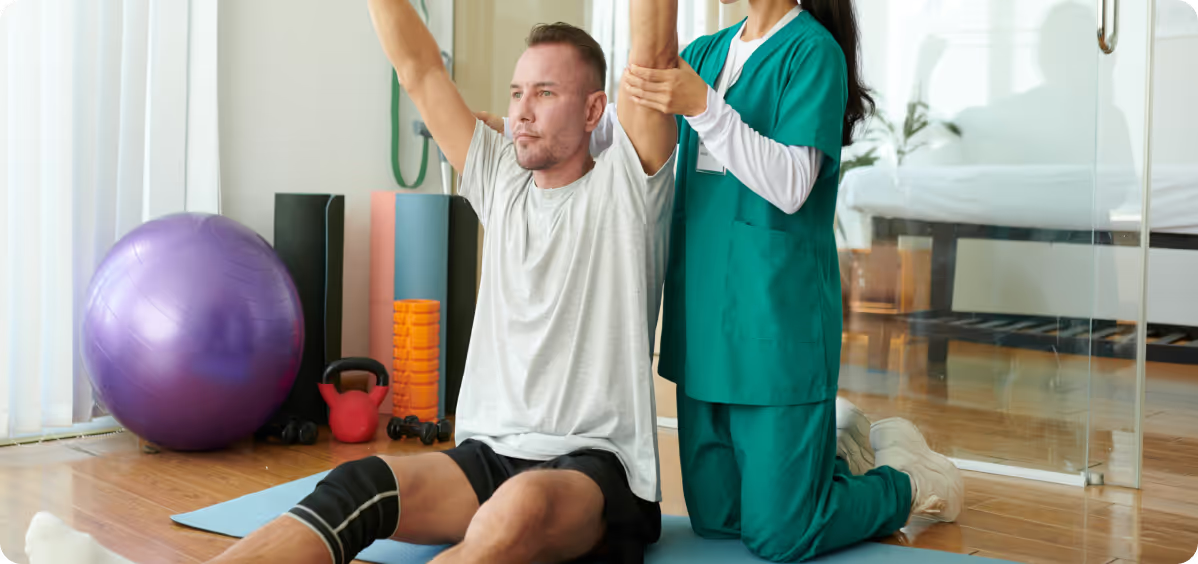
Our physicians focus on rotator cuff injuries, bursitis, frozen shoulder, and post-surgical pain. We carefully evaluate the shoulder and surrounding structures, including the cervical spine, to identify the true source of your pain for targeted, effective treatment.
Precision-Guided Injections
All injections use real-time ultrasound to ensure exact placement in the joint, bursa, or tendon. This precision maximizes relief, minimizes discomfort, and helps you recover faster.
Non-Surgical Solutions
We provide a full range of non-surgical treatments including targeted injections, regenerative therapies, and guided physical rehabilitation. Our goal is to reduce pain, restore range of motion, and get you back to daily activities, sports, or work without surgery.
Long-Term Shoulder Health
Beyond pain relief, our integrated approach strengthens supporting muscles, improves movement patterns, and protects the shoulder from future injury. We focus on lasting functional improvement so you can enjoy full mobility and an active lifestyle.


If pain lasts more than 2-3 weeks, limits daily activities, disrupts sleep, follows trauma, or comes with arm weakness or numbness, it’s time for evaluation. Early treatment often speeds recovery and reduces the risk of chronic pain.
Not always. Many shoulder issues can be diagnosed with your history, physical exam, and X-rays. MRI or ultrasound is recommended for suspected rotator cuff tears, labral injuries, or complex cases.
A brief increase in discomfort during the first 24-48 hours after a corticosteroid injection is common and usually resolves quickly. Relief follows as the anti-inflammatory medication begins to work.
Duration varies by patient and condition. Many experience months of relief from a single injection. Repeat injections are limited, so regenerative and rehab therapies are often included for long-term care.
Yes. PRP supports tendon repair in partial tears or chronic tendinopathy. It is not a replacement for surgery in full-thickness tears with significant functional loss but can be highly effective in many non-surgical cases.
Yes. Frozen shoulder responds well to injections, hydrodilation, and physical therapy. Many partial rotator cuff tears improve with PRP, injections, and rehab. Surgery is rarely required unless the tear is large and function is severely impaired.
.png)
Treated for rotator cuff injury
"I was skeptical at first, but the shoulder injections completely changed my life. My pain is gone, and I’m back to lifting, working out, and playing sports."

Treated for frozen shoulder
"I couldn’t lift my arm without pain. The treatment plan and therapy program helped me regain motion and strength within weeks, I feel like myself again."
Treated for shoulder bursitis
"The targeted injections relieved my shoulder pain immediately. I can now play basketball and do overhead work without worrying about flare-ups."

Shoulder pain that limits your range of motion, interferes with daily tasks, or keeps you from your favorite activities doesn’t have to control your life. Our shoulder pain specialists at Integrative Sports & Spine provide targeted, non-surgical treatments designed to relieve pain and restore full function.
Call (833) 476-7377 or click the appointment button below to schedule a consultation at any of our four Southern California pain clinic locations.
Highly effective for the muscular component of shoulder pain targeting the specific muscle knots in the rotator cuff, deltoid, and periscapular musculature that contribute to restricted movement and chronic discomfort.
View MoreA powerful regenerative option for rotator cuff tendinopathy, partial tears, and chronic shoulder soft tissue conditions using your body's own healing biology to repair damaged structures and deliver lasting improvement.
View MoreAn excellent complement or alternative to corticosteroid injections for shoulder osteoarthritis restoring joint lubrication, reducing bone-on-bone friction, and improving comfort and mobility in arthritic shoulder joints.
View More.avif)