At Integrative Sports & Spine, we provide non-surgical herniated disc treatment for neck pain, back pain, and nerve-related symptoms. We deliver targeted care at our pain clinics in Long Beach, Riverside, Alhambra, and City of Industry.
.avif)
Most interventional herniated disc procedures are completed in a single 2 to 3 hours visit.
.avif)
.avif)
Location Available
Available at all ISS clinics - Long Beach, Alhambra, Riverside, and City of Industry.
Spinal discs are soft, cushion-like structures between the vertebrae that allow movement while absorbing daily impact. Each disc has a strong outer layer and a gel-like center, and when the outer layer tears due to injury, strain, or degeneration, the inner material can push outward and irritate nearby spinal nerves. This is known as a herniated disc.
The effects depend on where the disc is located and which nerves are affected. In the neck, this may involve pain or altered sensation extending into the shoulder, arm, or hand. In the lower back, it often involves nerve compression that can produce pain traveling through the buttock and down the leg (sciatica), sometimes with weakness or functional limitation. At our pain clinic, we combine clinical examination with imaging review to pinpoint the exact disc level and nerve involvement driving your condition.
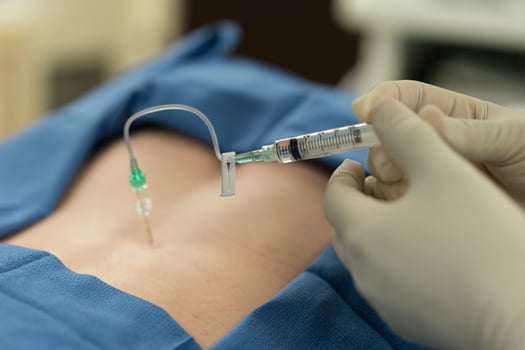
At Integrative Sports & Spine, a dedicated interventional pain clinic, we focus on non-surgical, image-guided treatments designed to calm irritated nerves and reduce inflammation at the source. This may include epidural steroid injections, selective nerve root blocks, and other minimally invasive procedures, supported by rehabilitation strategies aimed at restoring spinal function and improving long-term movement and stability.

Unlike oral medications that work systemically, our injection-based treatments deliver anti-inflammatory agents directly to the compressed nerve root or the affected disc space. This precision minimizes side effects while maximizing the concentration of medication exactly where it is needed, producing faster, more effective pain reduction.
The majority of patients with cervical and lumbar disc herniations respond well to non-surgical, interventional care. Surgery carries real risks including infection, failed back surgery syndrome, adjacent segment disease, and extended recovery. Our approach gives patients a meaningful opportunity to recover spine function without going under the knife.
Prolonged nerve compression causes inflammation that amplifies pain signals and can impair muscle function. Our treatments interrupt this inflammatory cycle, relieving radicular pain, restoring normal sensation, and reducing the muscle weakness and reflex changes that disc herniation can produce.
Opioids, muscle relaxants, and high-dose NSAIDs are commonly prescribed for disc herniation but carry serious risks with prolonged use. Interventional treatments address the underlying nerve irritation directly, reducing the need for systemic medications and their associated side effects.
Lumbar Disc Herniation
A rupture or protrusion of a disc in the lower back that compresses lumbar nerve roots, producing lower back pain alongside pain, numbness, or weakness radiating into the leg. Epidural steroid injections and transforaminal nerve root blocks reduce perineural inflammation, relieve radicular symptoms, and restore lumbar mobility.
Cervical Disc Herniation
Herniation of a disc in the neck that places pressure on cervical nerve roots or the spinal cord, causing neck pain combined with arm pain, hand numbness, or grip weakness. Cervical epidural and selective nerve root block injections target the exact level of compression to decompress irritated nerves and relieve upper extremity symptoms.
Sciatica from Disc Herniation
When a herniated lumbar disc compresses the sciatic nerve, the result is a sharp, burning, or electric pain that shoots from the lower back through the buttock and down the leg, sometimes reaching the foot. Targeted epidural injections reduce disc-related inflammation around the sciatic nerve root, providing relief from one of the most debilitating forms of spinal pain.
Disc Bulge with Radiculopathy
A bulging disc that has not fully herniated can still narrow the space around spinal nerves, producing radicular symptoms similar to a full herniation. Nerve root injections calm irritated neural tissue and create the therapeutic window needed for disc resorption and nerve recovery.
Degenerative Disc Disease with Herniation
Chronic disc degeneration reduces disc height, stiffness, and hydration creating an environment where herniation and nerve compression are more likely. Our combination of anti-inflammatory injections and regenerative therapies addresses both the acute nerve irritation and the underlying degenerative process.
Failed Conservative Care Persistent Disc Pain
Many patients have already tried rest, physical therapy, chiropractic care, or oral medications without meaningful relief. For these individuals, image-guided interventional injections offer a more direct path to pain reduction, often achieving results that non-invasive treatments alone could not.
Post-Surgical Disc Pain and Recurrent Herniation
Some patients continue to experience pain after discectomy or spinal fusion due to epidural fibrosis, recurrent herniation at the same or adjacent level, or persistent nerve inflammation. Targeted injections and scar tissue interventions help manage these post-surgical pain syndromes without requiring additional surgery.
Bulging Discs
Bulging discs develop when a spinal disc extends outward beyond its normal boundary without fully rupturing. They may place pressure on surrounding nerves and contribute to stiffness, localized pain, or radiating symptoms.
Preparation Guidelines• Avoid taking blood-thinning medications such as aspirin, ibuprofen, or anticoagulants for the number of days specified by your physician prior to your procedure.
• Arrange for a responsible adult to drive you home following the procedure, as sedation or local anesthesia may temporarily affect your coordination.
• Wear loose, comfortable clothing that allows easy access to your neck or lower back depending on the spinal region being treated.
• Bring a current list of all medications, supplements, and herbal products you are taking.
• Bring any MRI, CT, or X-ray imaging of your spine particularly from the past 12 months to assist your physician during the procedure.
• Notify your physician of any known allergies to contrast dye, corticosteroids, or local anesthetics.
• Do not eat or drink anything for at least four hours before your procedure if IV sedation has been recommended.
Initial ConsultationYour first visit begins with a comprehensive one-on-one evaluation by one of our spine specialists. We take a complete medical history with particular attention to the onset, location, character, and radiation pattern of your symptoms. We then perform a focused neurological examination to assess reflexes, strength, sensation, and dermatomal distribution. We review your imaging side by side with your clinical findings to confirm which disc level is responsible for your pain and what specific nerve roots are involved. We take the time to understand your functional goals whether that means returning to work, resuming athletic activity, or simply sleeping through the night without pain so that your treatment plan is built around outcomes that matter to you.
Comfort and Preparation• You will be positioned on the procedure table to allow clear access to the treatment area.
• The skin over the injection site will be thoroughly cleaned to help maintain a sterile treatment environment.
• A local anesthetic will be applied before the needle is introduced to help minimize discomfort during the procedure.
Targeted Treatment• Your physician uses real-time fluoroscopic or ultrasound imaging guidance to accurately position the needle at the targeted area, such as the epidural space, nerve root, disc, or surrounding spinal structures.
• Contrast dye may be used to confirm precise needle placement before the medication is administered.
• Most procedures take about 15 to 45 minutes, followed by a short observation period in the recovery area before you are discharged.
Immediate Recovery• Plan to rest at home for the remainder of the day following your procedure.
• Mild soreness at the injection site, temporary warmth, or a brief flare in your usual symptoms within the first 24 to 48 hours is normal and is typically followed by progressive improvement.
• Apply an ice pack to the treated area for 15 to 20 minutes every two to three hours to manage localized discomfort.
• Avoid driving, operating heavy machinery, or making important decisions on the day of your procedure if sedation was used.
.avif)
First 72 Hours• Avoid strenuous physical exertion, heavy lifting, bending, or twisting movements that load the spine.
• Do not submerge the injection site in pools, hot tubs, or baths during the first 48 hours.
• Contact our office immediately if you develop fever, worsening neurological symptoms such as new or increased weakness or numbness, loss of bladder or bowel control, or signs of infection at the injection site.

Long-Term Recovery• Begin your prescribed physical therapy program as directed by your physician. Strengthening the deep spinal stabilizers, correcting postural mechanics, and improving core neuromuscular control are essential to preventing disc re-injury and achieving durable relief.
• Resume daily activities gradually over the first one to two weeks according to your physician's specific guidance.
• Full anti-inflammatory benefit from corticosteroid injections typically develops over three to seven days. Regenerative treatments may require four to twelve weeks for the full therapeutic effect to be realized.
• Attend all follow-up appointments so your physician can assess your neurological recovery, adjust your care plan if needed, and determine whether additional treatment is appropriate.
• Incorporate any recommended ergonomic modifications, activity adjustments, or postural strategies to reduce mechanical load on the affected disc and support long-term spinal health.

Spine Specialists with Interventional Expertise
Our physicians specialize in the diagnosis and non-surgical management of spinal disc conditions. We do not apply a one-size-fits-all approach because we identify the exact disc level, nerve root, and pain mechanism involved in your case and target treatment accordingly. We also evaluate how cervical, thoracic, and lumbar spine mechanics interact, ensuring your care addresses the full picture of your spinal health.
Fluoroscopic and Ultrasound-Guided Precision
Epidural and nerve root injections require needle placement within millimeters of critical neurological structures. Our physicians use real-time fluoroscopy with contrast confirmation or high-resolution ultrasound to ensure every injection reaches its intended anatomical target improving therapeutic outcomes and reducing procedural risk.
Advanced Anti-Inflammatory Therapies
From perineural injections and nerve blocks to radiofrequency ablation and sympathetic interventions, our treatment capabilities span the full spectrum of nerve pain conditions. We match the appropriate therapy to the confirmed diagnosis rather than defaulting to a single approach regardless of presentation.
A True Non-Surgical Alternative
Many patients referred to surgery for herniated discs achieve clinically meaningful and sustained relief through properly selected interventional treatment combined with rehabilitation. We are committed to exhausting every evidence-based non-surgical option before surgery is ever considered a necessary step.


A herniated disc often causes pain that radiates beyond the spine into the arms, legs, shoulders, or buttocks due to nerve irritation or compression. Many patients also experience numbness, tingling, muscle weakness, or burning sensations that follow a specific nerve pattern. Diagnosis typically involves a physical examination, neurological testing, and imaging such as MRI to confirm whether the disc is responsible for the symptoms.

If injections do not provide sufficient relief, additional evaluation may be needed to confirm the exact pain source or identify other contributing spinal conditions. Your provider may recommend alternative treatments such as advanced imaging, different interventional procedures, regenerative therapies, or surgical consultation depending on the severity of nerve compression and functional limitations. Treatment decisions are based on symptom progression, neurological findings, and how the condition affects daily activity.

An epidural steroid injection delivers anti-inflammatory medication into the epidural space around irritated spinal nerves to reduce widespread inflammation and pain. A nerve root block targets a specific nerve root believed to be causing symptoms and is often used for both diagnostic and therapeutic purposes. While both procedures can relieve pain, nerve root blocks are more focused and help identify the exact nerve generating symptoms.

The number of injections varies depending on the severity of the disc injury, the duration of symptoms, and how your body responds to treatment. Some patients experience meaningful relief after a single injection, while others may require a short series spaced over several weeks. Your provider will monitor your progress carefully and recommend only the amount of treatment medically appropriate for your condition.

Many herniated discs can improve over time without surgery, especially when inflammation is reduced and the irritated nerve is allowed to recover. Conservative treatments such as injections, physical therapy, activity modification, and guided rehabilitation often help control symptoms while the body gradually stabilizes the disc. However, severe nerve compression, progressive weakness, or loss of function may still require surgical evaluation.

In many cases, yes. Injections are often used to reduce pain enough for patients to participate more comfortably in physical therapy and controlled movement programs. A structured rehabilitation plan can help improve spinal stability, mobility, posture, and muscle support while reducing the risk of future flare-ups.
.png)
Treated for lumbar disc herniation with sciatica
"I had shooting pain down my left leg for months and was told I needed surgery. The epidural injections and the rehab program here changed everything. I'm back at work and back on the golf course."

Treated for cervical disc herniation
"The numbness in my hand was affecting my job and my sleep. After two nerve root injections and following the physical therapy plan, I have full function back. I wish I had come sooner."

Treated for recurrent disc herniation after prior discectomy
"I had already had one surgery and was terrified of another. The team here found a non-surgical solution that actually worked. My pain is under control and I'm stronger than I've been in years."


A herniated disc can derail your career, disrupt your sleep, and stop you from doing the things you love but surgery is not your only path forward. Our herniated disc specialists at Integrative Sports & Spine offer proven, image-guided, non-surgical solutions that target the true source of your nerve pain.
Call (833) 476-7377 or click the appointment button below to schedule a consultation at any of our four Southern California pain clinic locations.
A cornerstone treatment for herniated disc pain, delivering concentrated anti-inflammatory medication directly to the compressed nerve root to reduce radicular symptoms and restore spinal function.
View MoreA regenerative option for disc-related inflammation and early degenerative disc disease, using concentrated growth factors from your own blood to support tissue repair and reduce chronic spinal pain.
View MoreComprehensive non-surgical management for all causes of lumbar spine pain, including facet joint disease, sacroiliac dysfunction, and muscle-related conditions that frequently coexist with disc herniation.
View More