Carpal tunnel syndrome occurs when the median nerve becomes compressed at the wrist, causing numbness, tingling, pain, and weakness that can interfere with daily activities and often worsen at night. At Integrative Sports & Spine, we provide personalized, non-surgical treatment focused on relieving nerve compression, restoring hand function, and helping patients avoid surgery whenever possible.
.avif)
Most Carpal Tunnel Syndrome treatments are completed within 30 minutes with minimal disruption.
.avif)
Most patients return to light daily activities within 24 to 72 hours following treatment.
.avif)
Locations Available
Carpal Tunnel Syndrome Treatment is available at our Southern California clinics - Long Beach, Alhambra, Riverside, and City of Industry.
Carpal tunnel syndrome occurs when the median nerve becomes compressed as it passes through the narrow carpal tunnel in the wrist. Because this space cannot expand, swelling or inflammation around the tendons increases pressure on the nerve, leading to symptoms such as numbness, tingling, pain, and, in more advanced cases, weakness of the thumb and hand.
Symptoms can range from occasional nighttime numbness to persistent hand weakness that affects daily activities. Since carpal tunnel syndrome shares symptoms with other nerve conditions, including cervical radiculopathy and peripheral neuropathy, our physicians perform a thorough evaluation and, when appropriate, electrodiagnostic testing to confirm the diagnosis and develop the most effective treatment plan.
At Integrative Sports & Spine, our approach to carpal tunnel syndrome begins with a thorough evaluation that confirms the diagnosis, assesses the severity of median nerve compression, identifies contributing factors that are driving inflammation within the tunnel, and determines which treatment pathway is most appropriate for the patient's specific presentation. Care may include ultrasound-guided carpal tunnel steroid injections to reduce synovial inflammation compressing the nerve, median nerve hydrodissection to free the nerve from perineural adhesions and restore its normal gliding capacity, wrist splinting protocols to reduce nighttime compression, hand therapy focused on nerve mobilization and tendon gliding, and ergonomic guidance to reduce repetitive compressive forces on the median nerve during daily activities. Treatment is sequenced based on symptom severity and the patient's response at each stage.
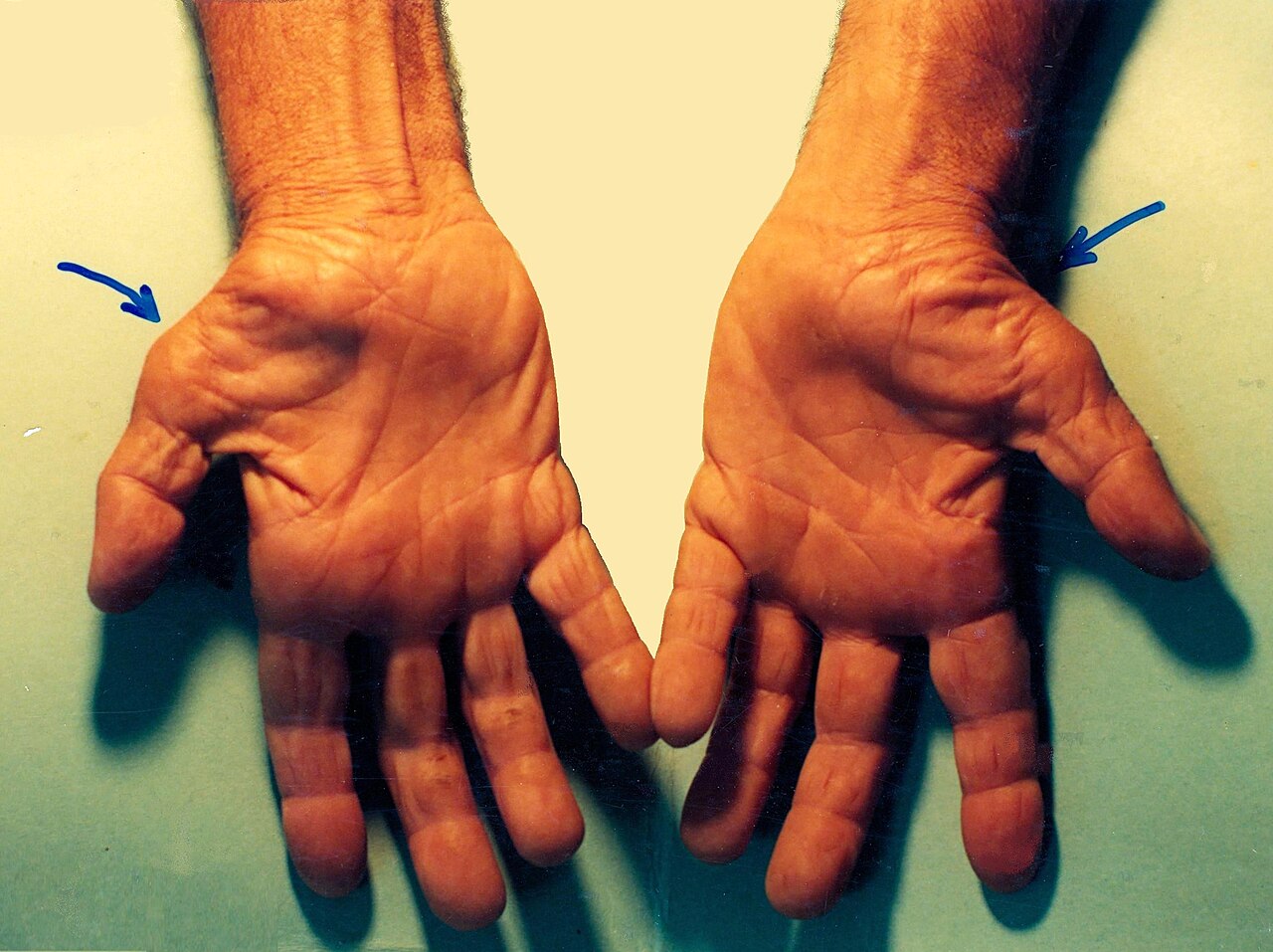
Hand numbness and wrist pain have multiple potential causes, and treating carpal tunnel syndrome when the actual source is a cervical nerve root, thoracic outlet, or peripheral neuropathy will not produce relief. Our physicians confirm the diagnosis through clinical examination and nerve conduction studies before recommending any procedure, ensuring that treatment is targeting the correct structure.
The carpal tunnel is a compact, anatomically complex structure that contains both the median nerve and nine flexor tendons in a very small space. Placing a steroid injection or performing hydrodissection with ultrasound guidance allows the physician to visualize the median nerve, the surrounding tendon sheaths, and the carpal tunnel space in real time, ensuring that medication is delivered precisely where it is needed and that the nerve itself is protected during the procedure.
Carpal tunnel syndrome frequently develops in the context of contributing factors including diabetes, inflammatory arthritis, hypothyroidism, pregnancy, obesity, and repetitive occupational hand use. Treating only the nerve compression without identifying and addressing these contributors produces shorter-lasting relief and higher recurrence rates. Our physicians evaluate and address the full contributing picture as part of every treatment plan.
Surgery for carpal tunnel syndrome, while effective, carries risks and requires a recovery period that many patients prefer to avoid. Non-surgical treatment with well-timed steroid injections, median nerve hydrodissection, splinting, and hand therapy produces lasting relief for many patients, particularly those with mild to moderate compression. Our goal is always to achieve the best possible outcome with the least invasive approach appropriate for each patient's stage of disease.
Mild to Moderate Carpal Tunnel Syndrome
Early-stage carpal tunnel syndrome often causes intermittent numbness, tingling, and nighttime hand symptoms. Conservative treatments such as splinting, activity modification, therapy, and targeted injections can effectively relieve symptoms and support nerve recovery.
Moderate to Severe Carpal Tunnel Syndrome
Persistent numbness, reduced grip strength, or significant nerve compression requires more advanced treatment. Image-guided injections and nerve hydrodissection help reduce pressure on the median nerve and support improved function.
Work-Related Carpal Tunnel Syndrome
Repetitive hand movements at work can contribute to ongoing median nerve compression. Treatment combines targeted procedures with ergonomic guidance and hand therapy to address both symptoms and their underlying cause.
Carpal Tunnel Syndrome with Systemic Conditions
Conditions such as diabetes, rheumatoid arthritis, hypothyroidism, and pregnancy can increase the risk of carpal tunnel syndrome. We evaluate these contributing factors and coordinate treatment to address both the nerve compression and the underlying condition.
Bilateral Carpal Tunnel Syndrome
Carpal tunnel syndrome can affect both hands, especially in patients with systemic conditions or repetitive occupational demands. We evaluate each hand individually and develop a treatment plan based on symptom severity and functional needs.
Recurrent Carpal Tunnel Syndrome
Symptoms can return after previous injections or surgery due to scar tissue or ongoing nerve compression. We perform a thorough evaluation and recommend targeted treatments, including nerve hydrodissection when appropriate, to help relieve recurrent symptoms.
Preparation Guidelines• No specific fasting or preparation is required for a carpal tunnel injection appointment.
• Bring a complete list of all medications, supplements, and blood thinners you are currently taking. Blood thinners may need to be temporarily adjusted before certain procedures.
• Notify our team of any known allergies, particularly to local anesthetics or corticosteroids.
• Wear or bring comfortable, short-sleeved clothing that allows easy access to the wrist and forearm.
• Be prepared to describe the full pattern of your hand symptoms: which fingers are affected, whether symptoms are worse at night, during certain activities, or constant, and whether you have noticed any weakness or muscle changes.
• Bring any prior nerve conduction study or EMG results if available. These provide important objective information about the degree of median nerve involvement.
Initial ConsultationYour first appointment is a dedicated evaluation of your hand and wrist symptoms. Our physicians perform a structured neurological examination including sensory testing in the median nerve distribution, assessment of thenar muscle strength and bulk, Phalen's and Tinel's provocation tests, and a two-point discrimination assessment. The history of your symptoms is reviewed in detail, including onset, progression, occupation, and all prior treatments. Ultrasound imaging of the median nerve at the wrist may be performed at the initial visit to directly visualize the cross-sectional area of the nerve and assess for perineural changes. Where the diagnosis is uncertain or the severity needs objective confirmation, nerve conduction studies are ordered. You leave with a confirmed diagnosis, a clear severity assessment, and a personalized treatment plan.
Comfort and Preparation• The wrist is cleaned thoroughly with an antiseptic solution before any injection procedure.
• A local anesthetic is applied to the skin surface or injected superficially to numb the area before the carpal tunnel injection is placed.
• Your physician confirms your comfort before proceeding.
Precision Treatment Delivery• The ultrasound transducer is positioned over the wrist to provide real-time visualization of the median nerve, the flexor tendons, and the carpal tunnel space before and during the procedure.
• The needle is guided under direct ultrasound visualization to the target location within or adjacent to the carpal tunnel, confirming accurate positioning before medication is delivered.
• For hydrodissection procedures, the physician monitors the spread of fluid around the median nerve in real time, confirming that the nerve is being separated from surrounding tissue as intended.
• The procedure takes approximately 15 to 20 minutes. Most patients tolerate it well with minimal discomfort.
Immediate Recovery• Most patients return home the same day immediately following the procedure and resume normal light hand use within 24 to 48 hours.
• Mild soreness at the wrist injection site is normal and typically resolves within one to two days.
• Avoid heavy gripping, repetitive hand use, and vibration exposure for 24 to 48 hours following the procedure to allow the medication to exert its anti-inflammatory effect without mechanical disruption.
• Apply ice to the wrist for 15 to 20 minutes every two to three hours for the first day to manage post-procedure soreness.
• Contact our office if you notice significant worsening of hand numbness, new weakness, or any signs of infection at the injection site following the procedure.
.avif)
First 48 Hours• Continue wearing your wrist splint, especially at night if recommended, to keep the wrist in a neutral position and reduce pressure on the median nerve.

Long-Term Recovery
• Continue prescribed wrist splinting, particularly at night, following the injection to maintain the benefit of neutral wrist positioning during sleep.
• Resume nerve mobilization and tendon gliding exercises as directed by your physician or hand therapist.
• Implement recommended ergonomic modifications at your workstation and during occupational tasks to reduce the repetitive compression that contributed to your carpal tunnel syndrome.
• Attend all follow-up appointments so your physician can assess your symptom response, evaluate nerve function recovery, and determine whether additional treatment is needed or appropriate.
• Patients receiving PRP hydrodissection typically notice progressive improvement over four to eight weeks as the regenerative effects of the growth factors act on the nerve tissue and its surrounding environment.

Ultrasound-Guided Precision
Carpal tunnel injections performed without image guidance rely on surface landmarks to estimate needle position in a very small, complex anatomical space. Our physicians perform every carpal tunnel injection and hydrodissection under direct ultrasound visualization, confirming needle position relative to the median nerve in real time and ensuring that medication reaches the intended target safely and accurately.
Full Evaluation of Contributing Factors
Carpal tunnel syndrome that is treated in isolation, without identifying and addressing the systemic or occupational factors that created it, tends to recur. Our physicians systematically evaluate each patient for contributing conditions including diabetes, thyroid dysfunction, inflammatory arthritis, hormonal factors, and occupational exposures, and incorporate addressing these contributors into the treatment plan from the outset.
Conservative Care Supported by Interventional Expertise
We believe in sequencing treatment logically. Many patients with carpal tunnel syndrome achieve excellent outcomes with splinting, nerve mobilization, and a single well-timed injection. Those who need more receive ultrasound-guided hydrodissection or PRP therapy. We do not recommend procedures before they are indicated, and we do not limit patients to conservative measures when they have clearly progressed beyond what conservative care can achieve alone.


The best treatment depends on the severity and duration of the condition and the contributing factors specific to each patient. For mild to moderate carpal tunnel syndrome, a combination of nighttime wrist splinting, nerve mobilization exercises, and one or two ultrasound-guided corticosteroid injections produces excellent outcomes for the majority of patients. For cases with perineural adhesions or chronic structural changes, median nerve hydrodissection with or without PRP provides a more durable benefit. For patients with severe, longstanding compression who have not responded to a thorough course of non-surgical care, surgical decompression remains an effective option. Our physicians recommend the treatment most appropriate for each patient's specific clinical picture rather than a single universal protocol.
Yes, for many patients. Mild to moderate carpal tunnel syndrome that is identified and treated before significant nerve damage has occurred responds well to non-surgical management. Well-placed corticosteroid injections combined with consistent splinting and ergonomic modification produce lasting relief in a significant proportion of patients. Median nerve hydrodissection has expanded the effectiveness of non-surgical care for patients who have perineural fibrosis or who have had insufficient relief from steroid injections alone. Surgery is reserved for patients with severe compression, significant thenar muscle atrophy, or those who have completed a thorough non-surgical program without achieving adequate relief.
Carpal tunnel syndrome results from any factor that increases pressure within the fixed space of the carpal tunnel or reduces the nerve's tolerance for compression. Common contributors include repetitive flexion and extension of the wrist during occupational or recreational tasks, sustained wrist flexion during sleep, inflammatory conditions such as rheumatoid arthritis that thicken the flexor tendon sheaths, diabetes and pre-diabetes that make nerves more vulnerable to compressive injury, hypothyroidism, fluid retention during pregnancy, obesity, and prior wrist injuries or fractures that alter tunnel anatomy. In many patients, multiple contributing factors are acting simultaneously, which is why identifying and addressing each of them is important for preventing recurrence.
The most characteristic symptoms of carpal tunnel syndrome are numbness and tingling in the thumb, index finger, middle finger, and the thumb side of the ring finger, particularly at night or after sustained hand use. Many patients describe being woken by hand numbness and needing to shake or flex the hand to restore sensation. Aching in the wrist and palm, clumsiness with fine motor tasks, and a tendency to drop objects are also common. A physician can confirm the diagnosis through examination maneuvers including Phalen's test and Tinel's sign, direct nerve assessment, and nerve conduction studies that objectively measure the speed of electrical conduction through the median nerve across the wrist.
Yes. Ultrasound-guided carpal tunnel steroid injections are among the most effective non-surgical treatments available for carpal tunnel syndrome. They deliver corticosteroid medication precisely into the carpal tunnel, reducing the synovial inflammation that is compressing the median nerve and providing meaningful relief of pain, numbness, and tingling. Studies consistently show that image-guided injections are more accurate and produce better outcomes than blind injections performed without ultrasound visualization. Median nerve hydrodissection using saline or PRP provides an additional interventional option for patients with perineural adhesions or chronic compression that has not responded fully to steroid injection alone.
Seek specialist evaluation when hand numbness, tingling, or wrist pain has been present for more than two to four weeks, when symptoms are disrupting sleep regularly, when you notice grip weakness or coordination difficulty that is new, or when symptoms are affecting your ability to perform work or daily activities reliably. Early evaluation and treatment produces better outcomes than waiting until symptoms are constant or motor function has declined. If you notice visible muscle wasting at the base of your thumb or rapidly worsening weakness, seek evaluation promptly rather than waiting.
.png)
Treated for moderate bilateral carpal tunnel syndrome
"Both hands were waking me up two or three times a night with that awful numbness, and I was dropping things at work. I had been using wrist braces for months with some help but not enough. The physician here did an ultrasound of my median nerve at the first visit and showed me exactly what was happening. After one injection in each wrist combined with a nerve mobilization program, my nighttime symptoms dropped dramatically. Six months later I am sleeping through the night and back to full productivity at work. The difference in my daily life has been enormous."

Treated for work-related carpal tunnel syndrome
"My job involves a lot of gripping and repetitive wrist movement and my grip strength had gotten to where I could not do my work safely. The evaluation here was the most thorough anyone had ever done for my hand symptoms. They identified the severity with a nerve conduction study, did an ultrasound-guided injection, and gave me specific guidance on how to modify the way I worked. My grip came back and I avoided the surgery I was told was the only option. I cannot recommend this team highly enough."
Treated for recurrent carpal tunnel syndrome
"I had a carpal tunnel injection years ago that worked well for about two years, and then my symptoms came back. When I went back to my previous provider they said the only option now was surgery. The team here identified that I had developed scar tissue around the nerve and recommended hydrodissection with PRP instead. It took about six weeks but the improvement was real and significant. My numbness is gone and my hand function is back. I am very grateful I found a practice that had the tools and knowledge to help me without surgery."

Carpal tunnel syndrome does not have to progress to the point where surgery becomes the only option. With accurate diagnosis, precisely delivered injection therapy, and a structured hand therapy and ergonomic program, the majority of patients achieve lasting relief and full restoration of hand function through non-surgical care.
Call (833) 476-7377 or click the appointment button below to schedule a consultation at any of our four Southern California pain clinic locations.
Peripheral nerve blocks are a foundational tool for managing compressive nerve pain, both at the wrist for carpal tunnel syndrome and at other entrapment sites throughout the upper and lower extremities.
View MoreRegenerative PRP therapy supports median nerve healing and reduces perineural inflammation in patients with chronic carpal tunnel syndrome or those who have not responded fully to standard corticosteroid injections. PRP hydrodissection is an advanced treatment option that combines nerve mobilization with biological regenerative support.
View MoreCarpal tunnel syndrome is the most common form of peripheral nerve entrapment, but pinched nerves occur at many other locations throughout the body, including the elbow, shoulder, spine, and lower extremity. Our comprehensive pinched nerve treatment program addresses all of these presentations with the same precision and individualized approach.
View More.avif)