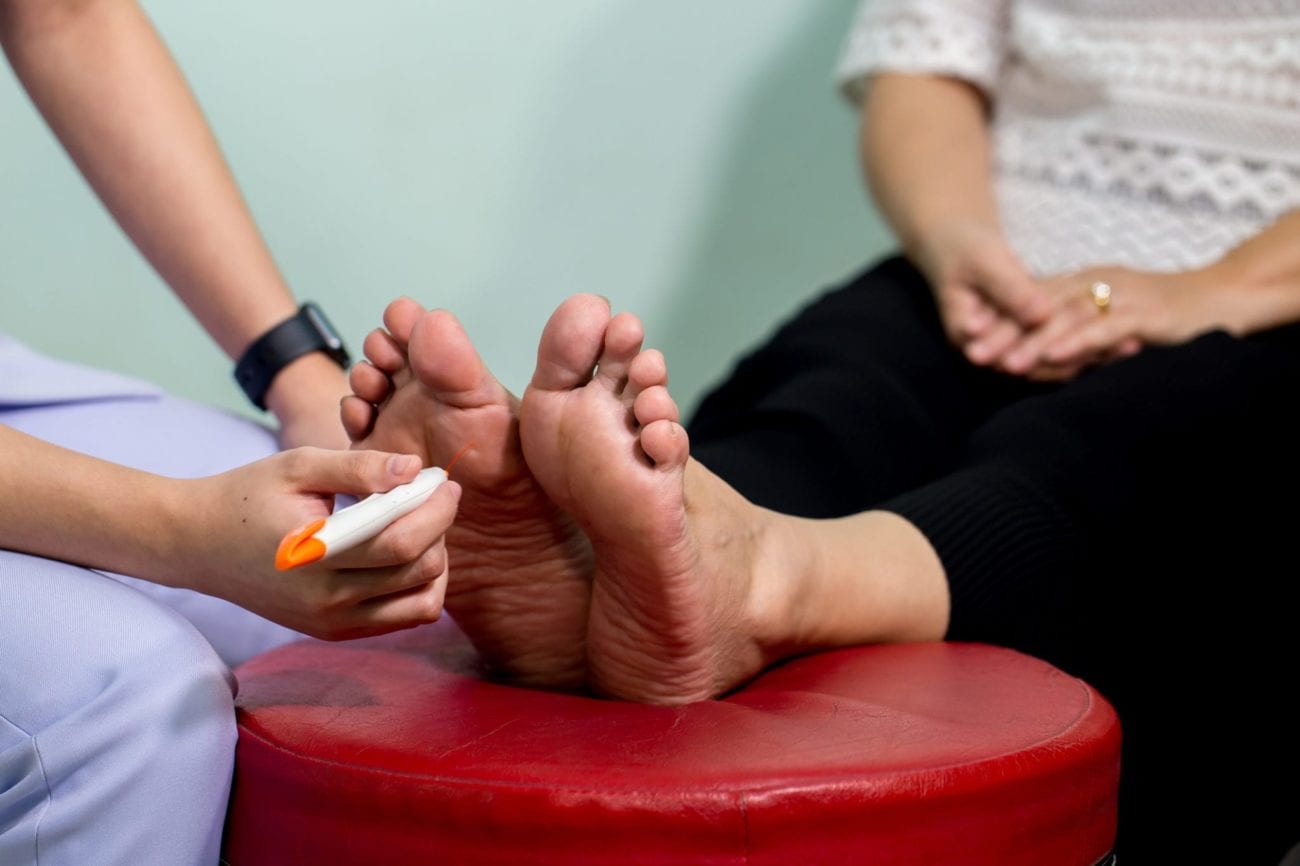
Diabetic Neuropathy Treatment in Southern California

Diabetic neuropathy can cause burning, tingling, or stabbing pain in the feet and legs, numbness that makes it hard to feel where you step, and pain that is often worse at night. At Integrative Sports & Spine, our physicians evaluate diabetic nerve pain and build a treatment plan that works alongside the care you already get for your diabetes.

Quick Overview

Icon representing estimated treatment duration for pain procedures

Varies by Treatment

Procedure Time

Most nerve blocks take 20 to 30 minutes. A spinal cord stimulator trial and implant take longer, and your physician explains what to expect before any procedure.

Recovery icon symbolizing average healing time after pain treatment

Varies by Treatment

Recovery Time

Most patients go home the same day after an injection. Recovery after a stimulator implant takes longer, and your physician will give you a timeline.

Location pin icon showing availability of pain treatments at all four Southern California clinics: Riverside, Alhambra, Long Beach, and City of Industry

All Clinics

Locations Available

Available at all ISS clinics - Long Beach, Alhambra, Riverside, and City of Industry.

Understanding Diabetic Neuropathy and How We Treat It

Diabetic neuropathy is nerve damage caused by diabetes. Over time, high blood sugar and high levels of fats such as triglycerides can damage nerves and the small blood vessels that nourish them. The most common form, diabetic peripheral neuropathy, usually starts in the toes and feet and can later reach the legs and hands. It is very common: according to the National Institute of Diabetes and Digestive and Kidney Diseases, up to one-half of people with diabetes have peripheral neuropathy. Some people mainly feel numbness. Others feel burning, tingling, electric, or stabbing pain, sometimes so sensitive that a bedsheet touching the foot hurts. Numb feet carry their own risk, because a blister, cut, or pressure sore can go unnoticed and become a wound that is slow to heal. Nerve pain medicines can help, but they do not repair the nerve damage and they do not work well for everyone. That is where a pain specialist can help.

At Integrative Sports & Spine, our physicians start with a detailed exam of sensation, reflexes, strength, and balance in your feet and legs, along with a review of your lab results and any prior nerve testing. When the picture is unclear, EMG and nerve conduction studies can help confirm the diagnosis and rule out other causes, such as a pinched nerve in the lower back. Treatment plans may include a medication review, targeted nerve blocks, spinal cord stimulation for painful diabetic neuropathy that has not responded to other care, and physical therapy for balance and walking. We coordinate with your primary care doctor, endocrinologist, or podiatrist so your nerve care and your diabetes care stay connected.

Benefits of Diabetic Neuropathy Treatment

Confirming the Cause of Your Nerve Pain

Not every burning foot in a person with diabetes is diabetic neuropathy. Low vitamin B12, thyroid problems, kidney disease, and a pinched nerve in the lower back can cause similar symptoms. Our physicians look for these before settling on a diagnosis, because the treatment can be different.

Options Beyond Another Prescription

Many patients come to us after trying several nerve pain medicines with limited relief, or with side effects they could not tolerate. Interventional options, including nerve blocks and spinal cord stimulation, give us more tools for pain that medicine alone has not controlled.

Spinal Cord Stimulation With a Trial First

In 2021, the FDA approved spinal cord stimulation for chronic pain from painful diabetic neuropathy. For patients who are good candidates, a short trial comes first, so you can see how well stimulation works for your pain before a permanent device is considered.

Better Balance and Safer Walking

Numbness in the feet makes it harder to sense where you step, which raises the risk of falls. Physical therapy for balance, strength, and walking is part of many of our diabetic neuropathy plans, along with guidance on protecting your feet.

Diabetic Neuropathy Presentations We Treat

Burning Feet and Night Pain Burning, tingling, or pins-and-needles pain in the feet that is often worse at night is the most common painful form of diabetic neuropathy. Treatment focuses on calming the pain enough for you to sleep and stay active.

Numbness and Loss of Feeling in the Feet
‍
When the feet lose feeling, injuries can go unnoticed. We assess how much sensation you have, explain how to check your feet every day, and coordinate with your podiatrist when foot care is needed.

Touch Sensitivity
Some patients find that socks, shoes, or bedsheets cause sharp pain. This sensitivity, called allodynia, is common with diabetic nerve pain and is part of what we assess and treat.

Pain That Has Not Responded to Medication
If duloxetine, pregabalin, gabapentin, or other medicines have not helped enough or have caused side effects, we review your history and look at interventional options, including spinal cord stimulation for patients who qualify.

Balance Problems and Falls
Neuropathy can change the way you walk and make it easier to lose your balance. Physical therapy focused on balance, strength, and walking can help lower your fall risk and rebuild confidence on your feet.

Hand Symptoms and Carpal Tunnel
Diabetic neuropathy can reach the hands, and carpal tunnel syndrome is also more common in people with diabetes. Testing helps tell the two apart, since carpal tunnel has its own treatment options.

Leg Pain From the Lower Back
Leg pain in a person with diabetes is not always neuropathy. A pinched nerve in the lower back can cause similar burning or tingling. When the exam or imaging points to the spine, we treat that source with targeted spinal care.

Low Vitamin B12 and Metformin
‍
Long-term metformin use is one of several causes of low vitamin B12, which can also damage nerves. If your level is low, your doctor can treat the deficiency, and many patients keep taking metformin with a B12 supplement.

What to Expect During Your Appointment

Before Your Treatment

Preparation Guidelines• Bring your most recent lab results, including your A1C, vitamin B12, and thyroid tests, and any prior EMG or nerve conduction study reports.
• Bring a list of all your medications and supplements, including diabetes medicines, nerve pain medicines, and any blood thinners.
• Wear loose pants and socks and shoes you can remove easily, since your physician will examine your feet and lower legs.
• Be ready to describe your pain: where it is, what it feels like, when it is worst, and what you have already tried.
• Note any falls, near falls, or changes in your balance, and any foot sores or wounds, past or present.
• Bring the names of your primary care doctor, endocrinologist, and podiatrist so we can coordinate your care.

Initial ConsultationYour first visit is an evaluation, not a procedure. Your physician reviews your diabetes history, symptoms, and past treatments, then examines sensation, reflexes, and strength in your feet and legs and checks your balance and walking. If other causes have not been ruled out, additional testing may be ordered. You leave with an explanation of what is causing your symptoms and the treatment options that fit them.

During the Procedure

Nerve Block Procedures• The skin is cleaned and numbed with a local anesthetic before the injection.
• Ultrasound or fluoroscopic guidance helps your physician place the medication near the target nerve.
• Most nerve blocks take 20 to 30 minutes, followed by a short monitoring period before you go home.

Rehabilitation Sessions• Physical therapy for diabetic neuropathy focuses on balance, foot and lower leg strength, and safe walking.
• Sessions are paced to your current ability and adjusted as your balance and pain control improve.

After Your Treatment

Immediate Recovery• Most patients go home the same day after an injection.
• Temporary numbness or heaviness in the treated area is common and usually wears off within several hours.
• Do not drive until normal feeling and strength have returned, and follow your physician's instructions.
• If your injection included a steroid, your blood sugar may run higher for a few days, so check it as directed and call your diabetes care team if it stays high.
• Call our office for fever, redness or drainage at the injection site, new weakness, or pain that gets much worse.

Patient applying ice pack after pain treatment as part of immediate recovery protocol

First 72 Hours• Mild soreness at the injection site can last a day or two.
• Some patients notice relief early, while for others the benefit takes longer to judge.
• Return to light activity as tolerated and avoid anything that aggravates your symptoms.
• Keep taking your diabetes medicines and other prescriptions unless your physician tells you otherwise.
• Track your pain, sleep, and blood sugar so you can share them at your follow-up visit.

Patient resting at home during the first 72 hours after a pain management procedure

Ongoing Management• Diabetic neuropathy is a long-term condition, so care is usually a plan over months, not a single visit.
• Follow-up visits let your physician track your response and adjust your treatment.
• Keep up with your balance and strengthening exercises at home.
• Check your feet every day, and see your doctor for a foot exam at least once a year, or more often if you have foot problems.
• Managing your blood sugar, blood pressure, and cholesterol can help keep nerve damage from getting worse.

Patient attending follow-up recovery session at a Southern California pain clinic for long-term pain relief

Why Choose Integrative Sports & Spine?

Physicians Focused on Nerve Pain
‍
Diabetic nerve pain is nerve pain, and nerve pain is a core part of our practice. Our physicians confirm what is driving your symptoms before recommending any procedure.

Options When Medicine Is Not Enough
‍
From image-guided nerve blocks to spinal cord stimulation with a trial first, we can offer treatment for diabetic nerve pain that medication alone has not controlled.

Rehabilitation for Balance and Walking
Our physical therapy programs address the balance loss, weakness, and unsteady walking that neuropathy can cause, with the goal of keeping you active and lowering your risk of falls.

Four Southern California Clinics
Patients can be seen in Long Beach, Alhambra, Riverside, or City of Industry, and we share our findings with your primary care doctor and diabetes care team so your care stays coordinated.

Advanced pain management equipment used by specialists at our Southern California clinics in Riverside, Alhambra, Long Beach, and City of Industry

Frequently Asked Questions

What is diabetic neuropathy?
FAQ Header Icon

Diabetic neuropathy is nerve damage caused by diabetes. The most common type, peripheral neuropathy, affects the feet and legs first and sometimes the hands and arms. According to the National Institute of Diabetes and Digestive and Kidney Diseases, up to one-half of people with diabetes have peripheral neuropathy.

Can diabetic neuropathy be reversed?
FAQ Header Icon

Nerve damage from diabetes usually cannot be fully reversed. Managing your blood sugar, blood pressure, and cholesterol can help keep it from getting worse, and treatment can reduce pain, improve sleep, and help you walk more safely. How much improvement you see varies from person to person.

What are the treatments for diabetic nerve pain?
FAQ Header Icon

Treatment often starts with medicines, such as certain antidepressants or anticonvulsants, or with creams and patches applied to the skin. These can ease pain but do not repair the nerve. When medicine does not give enough relief, a pain specialist may consider nerve blocks or spinal cord stimulation, along with physical therapy for balance and strength.

Does spinal cord stimulation work for diabetic neuropathy?
FAQ Header Icon

Spinal cord stimulation is FDA approved for chronic pain from painful diabetic neuropathy. A small implanted device sends mild electrical pulses to the spinal cord to change how pain signals reach the brain. A temporary trial comes first so you and your physician can see how well it works for you. Results vary, and not every patient is a candidate.

When should I see a doctor right away?
FAQ Header Icon

Call your doctor right away for a foot sore, blister, or cut that is not healing, or for redness, warmth, swelling, or drainage in your foot. A warm, swollen foot with no clear injury can be a sign of Charcot foot, which needs prompt care. Seek emergency care for fever with a foot wound, a foot that suddenly turns cold, pale, or dark, or sudden weakness.

Do I still need my primary care doctor or endocrinologist?
FAQ Header Icon

Yes. Your primary care doctor or endocrinologist manages your diabetes, and a podiatrist may care for your feet. Our physicians focus on your nerve pain and function, and we share our findings so your care stays coordinated.

Logos of major insurance providers accepted at our pain management clinics

Insurance Coverage

At Integrative Sports & Spine, we work with most major insurance providers to make diabetic neuropathy care accessible without unnecessary financial stress. Our team verifies your coverage before your first appointment and provides a clear breakdown of your benefits and any anticipated costs.
We Accept
• Medicare
• PPO Plans
• Self-Pay Options Available
Financial Policy
‍
• Insurance verification completed prior to appointment
• Co-payments and deductibles due at time of service
• Self-pay options available with transparent pricing
• Flexible payment plans for eligible treatments

Our Patients Love Us

Robert G.

Google review, Long Beach clinic

“The team at ISS is awesome! Everyone is so friendly and caring. During my consult with Dr Seko, he made me feel so at ease. He’s very knowledgeable, straightforward and kind. He did my first epidural today and I feel great! Best one I’ve ever had.”

Five out of five star rating icon representing the highest possible satisfaction score
Magaly C.

Google review, Long Beach clinic

“The team here is not only knowledgeable but also genuinely compassionate. They take the time to understand your needs, listen to concerns, and create a treatment plan that actually works.”

Five out of five star rating icon representing the highest possible satisfaction score
Evony G.

Google review, Long Beach clinic

“I had a great experience at Integrative Sports and Spine with Dr. Seko and the amazing staff. I was really nervous about getting my trigger point injections, but they went above and beyond to make me feel comfortable.”

Five out of five star rating icon representing the highest possible satisfaction score
Five out of five star rating shown from patient reviews, reflecting consistently excellent satisfaction and positive outcomes

Ready to Get Help for Diabetic Nerve Pain?

Diabetic nerve pain can make it hard to sleep, walk, and stay active, but it can often be treated. Care should match the cause of your symptoms, how long you have had them, and what you have already tried. At Integrative Sports & Spine, we provide diabetic neuropathy evaluation and treatment at our Long Beach, Alhambra, Riverside, and City of Industry locations.
‍

Call (833) 476-7377 or click the appointment button below to schedule a consultation at any of our four Southern California pain clinic locations.

Book an Appointment

Related Services

Neuropathy Treatment

Evaluation and treatment for every type of peripheral neuropathy, including chemotherapy-induced, nutritional, autoimmune, and idiopathic neuropathy.

View More
Spinal Cord Stimulation

An implanted device, tested first with a short trial, that may be considered for chronic nerve pain, including painful diabetic neuropathy, that has not responded to other treatments.

View More
Nerve Blocks

Image-guided injections that place medication near a specific nerve to calm pain signals and help your physician confirm where pain is coming from.

View More
Location icon encouraging patients to contact our pain management clinics for more information
Contact Us

(833) 476-7377

Clock icon displaying clinic hours for all Southern California pain management locations
Open Hours

Mon - Fri: 9:00am to 5:00pm