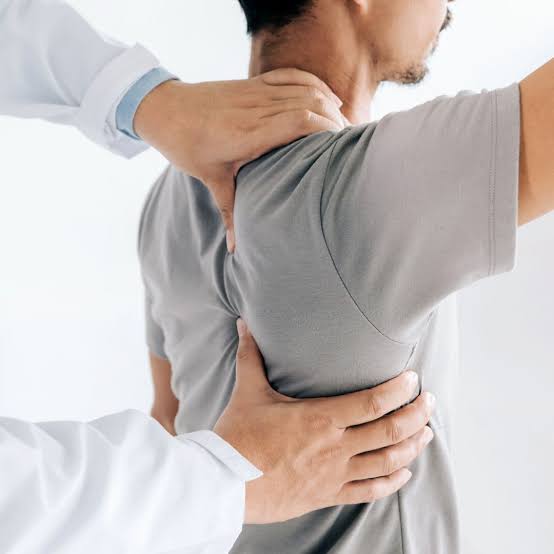
Spondylolisthesis occurs when one vertebra shifts forward relative to the one below it, potentially causing back or neck pain, nerve irritation, numbness, or weakness. Symptoms and treatment vary based on the location, degree of slippage, and whether nerves are affected. At Integrative Sports & Spine, our physicians provide individualized spondylolisthesis evaluation and non-surgical treatment in Long Beach, Alhambra, Riverside, and City of Industry.
.avif)
Ultrasound-guided joint injection procedures are completed in a single visit with no downtime required.
.avif)
Most patients can resume normal activities within 24 to 48 hours, depending on the treatment performed and individual response.
.avif)
Locations Available
Spondylolisthesis Treatment is available at our Southern California clinics - Long Beach, Alhambra, Riverside, and City of Industry.
Most spondylolisthesis presentations develop gradually and can be evaluated through a scheduled specialist appointment. Certain symptoms, however, represent neurological emergencies or rapidly evolving spinal instability that require urgent medical attention and should not be managed with a wait-and-see approach.
Seek Prompt Medical Evaluation If You Experience:
For the typical presentation of gradual-onset lower back pain, buttock pain, and leg symptoms with known or suspected spondylolisthesis, a scheduled specialist evaluation is the appropriate first step.

Spondylolisthesis can vary by type, grade, spinal level, stability, and nerve involvement. Our physicians evaluate these factors alongside your symptoms, physical examination, and imaging to develop a treatment plan specific to your condition rather than relying on the imaging diagnosis alone.
A targeted rehabilitation program can strengthen the muscles that help stabilize the spine and improve movement control. Progressive core stabilization and motor control exercises can provide dynamic support for the affected segment and help patients return to daily activities with greater confidence.
When nerve irritation causes radiating pain or other symptoms, image-guided injections may help reduce inflammation and pain. Epidural steroid injections can provide a period of symptom relief that allows some patients to participate more effectively in physical rehabilitation. Injections do not correct the underlying structural changes but can be one component of a broader treatment plan.
Many patients can be managed without surgery, particularly when symptoms are stable and there is no significant neurological deterioration. Our physicians use a conservative-first approach while monitoring for situations that warrant surgical evaluation, including progressive neurological deficits, persistent symptoms despite appropriate non-surgical treatment, significant instability, or cauda equina symptoms. When surgery is appropriate, we can facilitate referral to a spinal surgeon.
Degenerative Lumbar SpondylolisthesisUsually affecting L4-L5, this type develops from disc and facet joint degeneration and may cause back pain, leg symptoms, or difficulty walking. Treatment may include injections and stabilization rehabilitation.
Isthmic SpondylolisthesisCaused by a defect in the pars interarticularis, often at L5-S1. It commonly causes activity-related lower back pain and may be treated with stabilization and targeted procedures.
Spondylolisthesis With Neurogenic ClaudicationSpinal stenosis related to spondylolisthesis can cause leg pain, heaviness, or weakness when standing or walking that improves with sitting or bending forward.
Spondylolisthesis With RadiculopathyNerve compression may cause radiating pain, numbness, tingling, or weakness. Treatment may include targeted epidural injections and rehabilitation.
Cervical SpondylolisthesisCervical slippage can cause neck or arm symptoms when nerves are affected. Spinal cord compression requires prompt neurological evaluation.
Spondylolisthesis in Young AthletesRepeated lumbar extension can contribute to pars injuries and isthmic spondylolisthesis in young athletes. Early evaluation can guide activity modification and return to sport.
Preparation Guidelines
Initial ConsultationYour first appointment includes a medical history, physical and neurological examination, and review of available imaging. Your physician evaluates your symptoms, spinal alignment, nerve involvement, and functional limitations to develop an individualized treatment plan.
Epidural and Spinal Injection Procedure
Procedure Experience
Post-Procedure Recovery
.avif)
Ongoing Management

We Look Beyond ImagingSpondylolisthesis can appear differently from one patient to another, so treatment should consider more than the degree of vertebral slippage. Our physicians evaluate your imaging alongside your symptoms, examination findings, functional limitations, and goals to develop a treatment plan suited to your condition.
Targeted Interventional TreatmentSpondylolisthesis can cause pain through nerve irritation, spinal stenosis, or other sources that may require targeted treatment. Our physicians use image-guided spinal injections to accurately target the affected area and help reduce pain so you can participate more effectively in rehabilitation.
Spinal Stabilization RehabilitationSpondylolisthesis can affect spinal stability and movement control, making targeted rehabilitation an important part of treatment. Our programs focus on core stabilization, motor control, and progressive strengthening to improve spinal support and help you return to your daily activities.
Four Convenient Southern California LocationsOngoing treatment may involve follow-up visits, rehabilitation, and interventional procedures, making convenient access important. Integrative Sports & Spine provides spondylolisthesis care at locations in Long Beach, Alhambra, Riverside, and City of Industry.


Treatment depends on the type and severity of the condition, symptoms, nerve involvement, and individual goals. Non-surgical care may include stabilization exercises, activity modification, physical therapy, and targeted injections.

Yes. Many patients improve with non-surgical treatment, including spinal stabilization, activity modification, physical therapy, and injections when appropriate. Surgery may be considered when symptoms persist or neurological problems develop.

Causes vary by type and may include disc and facet joint degeneration, pars defects, congenital abnormalities, trauma, or conditions that weaken the spine.

In some cases, spondylolisthesis can progress, particularly with degenerative changes or higher-grade slips. However, many stable cases do not significantly worsen. Monitoring symptoms and function can help determine when additional imaging is needed.

Recovery varies based on the severity and symptoms. Some patients experience improvement within several weeks, while strengthening and stabilization may require several months of consistent rehabilitation.

Yes. Physical therapy focused on spinal stabilization, core strength, and motor control can help improve support around the affected spinal segment and restore function.

Yes. Targeted injections may help manage specific sources of pain, including nerve-related or facet joint pain. They are typically used alongside rehabilitation rather than as a standalone treatment.

You should see a doctor if back or leg symptoms persist, limit your daily activities, or include numbness, tingling, or weakness. Evaluation is also recommended if imaging has shown spondylolisthesis but you have not received an assessment to determine its clinical significance. Seek urgent care for new leg weakness, bowel or bladder changes, saddle numbness, or rapidly worsening neurological symptoms.
.png)
“Treated for Grade II L4-L5 spondylolisthesis with neurogenic claudication”
“I could barely walk a block without stopping because of pain and heaviness in both legs. The physician explained why the claudication was happening and how the spondylolisthesis was affecting my spinal canal. Two epidural injections reduced the leg symptoms enough for me to begin the core strengthening program. Six months later, I’m walking two miles a day without stopping and understand what I need to do to maintain my progress.”

“Treated for L5-S1 isthmic spondylolisthesis with pars defects”
“I developed lower back pain from gymnastics, but I never had a clear plan for managing it. The evaluation identified my pars defects and helped me understand how repeated extension was affecting my spine. I was given a structured plan to reduce extension loading while rebuilding spinal stability. I was worried I would have to quit gymnastics, but I was able to return safely and continue training at a lower volume with minimal back pain.”

“Treated for L4-L5 spondylolisthesis with L4 radiculopathy”
“Pain down my right leg had taken over my entire day, and I had stopped taking my regular walks. The physician explained which nerve was affected and recommended a targeted injection before starting physical rehabilitation. The injection reduced my symptoms enough for me to start walking again within a week. After three months of stabilization exercises, I’m walking regularly with only occasional mild symptoms.”


Spondylolisthesis is a structural spinal condition, but it does not always require surgery or lead to permanent limitations. Many patients can achieve meaningful improvement in pain and function through individualized non-surgical treatment that addresses spinal stability, nerve-related symptoms, and functional goals. At Integrative Sports & Spine, we provide comprehensive spondylolisthesis evaluation and individualized treatment in Long Beach, Alhambra, Riverside, and City of Industry.
Call (833) 476-7377 or click the appointment button below to schedule a consultation at any of our four Southern California pain clinic locations.
Image-guided epidural steroid injection delivers anti-inflammatory medication directly to the compressed or irritated nerve roots at the level of the spondylolisthesis, providing targeted relief for the radicular leg pain, numbness, and weakness that are often the most disabling symptoms.
View MoreDegenerative spondylolisthesis frequently produces spinal stenosis at the level of the slip, and many patients benefit from treatments directed at both the instability and the stenotic component of their symptoms.
View MoreWhen spondylolisthesis compresses the nerve roots forming the sciatic nerve, targeted interventional treatment for the sciatic component of the presentation is a core part of the overall management program.
View More