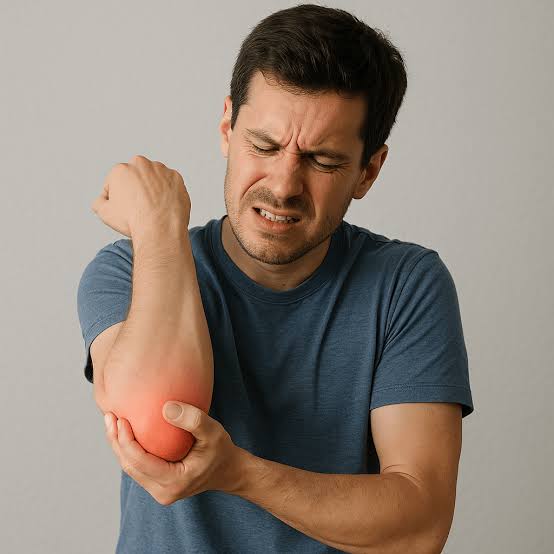
Tennis elbow can make everyday activities like gripping a coffee cup, turning a doorknob, typing, driving, or lifting surprisingly painful. It develops when the tendon on the outside of the elbow is repeatedly overloaded, and ongoing pain may reflect changes in the tendon that require a different approach than treating simple inflammation. At Integrative Sports & Spine, our physicians provide personalized tennis elbow evaluation and treatment in Long Beach, Alhambra, Riverside, and City of Industry based on your symptoms, activity level, and goals.
.avif)
Ultrasound-guided joint injection procedures are completed in a single visit with no downtime required.
.avif)
Most patients can resume normal activities within 24 to 48 hours, depending on the treatment performed and individual response.
.avif)
Locations Available
Tennis Elbow Treatment is available at our Southern California clinics - Long Beach, Alhambra, Riverside, and City of Industry.
Most tennis elbow presentations develop gradually and can be evaluated through a scheduled specialist appointment. Certain presentations, however, suggest a more serious elbow problem that requires more urgent assessment to ensure nothing significant is being missed.
Seek Prompt Medical Evaluation If You Experience:
For the typical presentation of gradual-onset lateral elbow pain with no history of significant trauma, no neurological symptoms, and no systemic features, a scheduled specialist evaluation is the appropriate first step.

Effective tennis elbow treatment starts with identifying whether the condition is primarily inflammatory or involves chronic tendon degeneration. Our physicians use clinical assessment and musculoskeletal ultrasound to determine the tendon’s condition and match treatment accordingly.
Ultrasound guidance helps our physicians accurately target the affected tissue at the lateral epicondyle while visualizing needle placement in real time. This allows for precise delivery of injections while helping avoid surrounding structures and inappropriate corticosteroid placement.
PRP therapy uses concentrated platelets and growth factors from your own blood to support the remodeling of chronically damaged tendon tissue. It may be considered for patients with persistent lateral epicondylopathy based on symptom duration, severity, ultrasound findings, and response to previous treatment.
Tennis elbow treatment works best when it addresses the activities and loading patterns contributing to tendon irritation. Our physicians may combine injections with progressive strengthening, activity modification, equipment adjustments, and a gradual return-to-activity plan.
Acute CasesEarly tennis elbow, often triggered by a recent increase in activity, may respond well to activity modification, gentle loading, stretching, and other conservative measures. Treatment focuses on reducing tendon stress while maintaining strength and mobility.
Chronic CasesSymptoms lasting three months or longer may involve tendon degeneration rather than acute inflammation. Treatment may include progressive strengthening, rehabilitation, ultrasound evaluation, and interventional options when appropriate.
Racquet PlayersTennis elbow related to racquet sports may be influenced by stroke mechanics, racquet weight, grip size, string tension, and training volume. We provide sport-specific guidance to help reduce tendon overload and support a safe return to play.
Work OveruseRepetitive work activities can contribute to tennis elbow in both manual and desk-based jobs. Treatment may include bracing, task rotation, tool adjustments, ergonomic changes, and rehabilitation while allowing patients to remain active when appropriate.
Recurrent CasesTennis elbow can return after injections, physical therapy, or other treatments, particularly when the tendon has not regained sufficient load capacity or contributing factors remain. We review your previous treatment and response to develop a plan that addresses why symptoms returned.
Related ConditionsLateral elbow pain may also involve radial tunnel syndrome, arthritis, loose bodies, or ligament problems. Our physicians evaluate for these conditions to determine whether your symptoms are caused by tennis elbow or another underlying problem.
Preparation Guidelines
Initial ConsultationYour first visit includes a detailed history, physical examination, and musculoskeletal ultrasound when appropriate. Your physician evaluates pain patterns, tendon changes, strength, and possible nerve involvement to confirm the diagnosis and develop a treatment plan suited to your condition.
Trigger Point Injection Procedure
Procedure Experience
Post-Procedure Recovery
.avif)
Ongoing Management

Treatment Matched to Your ConditionTennis elbow does not always involve the same type or stage of tendon injury, so treatment should be based on what is happening within the tendon rather than the diagnosis alone. Our physicians use a clinical evaluation and musculoskeletal ultrasound to assess the tendon, distinguish acute irritation from chronic tendinopathy, and develop a treatment plan suited to your symptoms and recovery needs.
Ultrasound-Guided Injection TreatmentAccurate injection placement is important when treating the small, specialized structures around the lateral epicondyle. Our physicians perform elbow injections under real-time ultrasound guidance, allowing them to identify the affected tissue, visualize the needle as it advances, and confirm placement before delivering the selected treatment.
PRP for Chronic Tennis ElbowPRP may be considered for patients with persistent tennis elbow and chronic tendon changes who have not improved adequately with conservative treatment. Rather than recommending PRP for everyone, our physicians consider your symptom duration, tendon findings, previous treatments, and overall clinical picture before determining whether it is appropriate.
Addressing Tendon OverloadTreating the tendon alone may not prevent symptoms from returning if the activities that caused the overload remain unchanged. Your treatment plan may include activity modification, progressive rehabilitation, equipment adjustments, technique changes, and guidance for managing work or sports activities while the tendon recovery.


Tennis elbow is pain on the outside of the elbow caused by irritation or degenerative changes in the common extensor tendon where it attaches to the lateral epicondyle. It can cause tenderness, forearm aching, and pain with gripping, wrist extension, or forearm rotation.

Tennis elbow develops when repetitive gripping, wrist extension, or forearm rotation places more stress on the common extensor tendon than it can recover from. Common triggers include racquet sports, weightlifting, manual work, computer use, sudden increases in activity, poor technique, and equipment or ergonomic factors.

Yes. Most people with tennis elbow have never played tennis. Repetitive activities such as painting, plumbing, carpentry, cooking, warehouse work, computer use, gardening, or playing music can place repeated stress on the tendon and cause similar symptoms.

Treatment depends on how long you have had symptoms and the condition of the tendon. Conservative care typically includes activity modification and progressive tendon loading, while bracing or injections may be considered in some cases. Chronic cases that do not respond adequately to rehabilitation may be candidates for PRP.

Yes. Most cases can be managed without surgery through activity modification, rehabilitation, and other conservative treatments. Surgery is generally considered only when symptoms persist despite an appropriate course of non-surgical treatment.

Recovery varies based on the duration and severity of symptoms. Acute cases may improve within several weeks, while chronic tendinopathy can take several months of structured rehabilitation. Recovery may take longer when symptoms have been present for an extended period.

Yes. Physical therapy can help improve tendon strength and load tolerance, particularly in chronic cases. Treatment may include progressive strengthening, stretching, manual therapy, activity modification, and guidance for gradually returning to work, exercise, or sports.

The effectiveness of an injection depends on the type of treatment and the condition of the tendon. Corticosteroid injections may provide short-term pain relief, while PRP may be considered for some chronic cases. Ultrasound guidance can help your physician visualize the tendon and guide needle placement.
.png)
Treated for chronic tennis elbow from recreational tennis
“I had cortisone shots in my elbow every few months for two years. Each helped for about six weeks before the pain returned. Here, my physician explained why repeated injections were not addressing the underlying problem and recommended PRP with a tendon loading program. The recovery took longer, but the improvement has lasted over a year. I’m playing tennis three times a week again without another injection.”

Treated for work-related tennis elbow
“I developed elbow pain after years of electrical work and eventually struggled to grip my tools. Since I couldn’t stop working, my treatment included a work brace, specific exercises, ergonomic changes, and an injection when the pain was affecting my job. Eight months later, I’m back to full days of work without significant pain and have a much better understanding of proper grip and tool positioning.”

Treated for tennis elbow from computer work
“I use a mouse for more than six hours a day, and my elbow pain gradually started affecting my work. The evaluation identified the forearm position and grip pattern contributing to my symptoms, along with changes I could make to my mouse and workstation. Combined with eccentric exercises and PRP, I’m now able to work without the pain I had for almost a year.”


Tennis elbow is treatable, and many patients can improve with targeted treatment and structured tendon rehabilitation. Treatment should address the stage and severity of the tendon problem, as well as the activities and factors contributing to tendon overload. At Integrative Sports & Spine, we provide individualized tennis elbow evaluation and treatment at our Long Beach, Alhambra, Riverside, and City of Industry locations.
Call (833) 476-7377 or click the appointment button below to schedule a consultation at any of our four Southern California pain clinic locations.
PRP therapy delivers concentrated autologous growth factors to degenerative tendon tissue under ultrasound guidance, providing a biologically targeted treatment for chronic lateral epicondylopathy and other tendon conditions that have not responded adequately to conservative care.
View MoreOur tendonitis treatment program addresses tendon irritation and degeneration at multiple sites throughout the upper and lower extremity, with individualized evaluation and treatment plans that distinguish acute tendinitis from chronic tendinopathy and select treatments matched to the tissue state.
View MoreComprehensive sports injury evaluation and treatment for athletes and active patients, including shoulder, elbow, wrist, hip, knee, and ankle conditions, with a focus on accurate diagnosis, evidence-based treatment, and structured return-to-sport programs.
View More